June 9, 2026
The South32 Worsley Alumina refinery incident has become a critical focal point for examining industrial workplace safety protocols as Australia's mining sector confronts evolving risk management frameworks. The integration of sophisticated processing equipment, elevated operational environments, and specialised contractor workforces creates complex safety matrices that demand continuous refinement through data-driven operations. Modern alumina refineries operate within high-stakes environments where multiple hazard categories intersect, requiring comprehensive understanding of both technical systems and human factors to prevent catastrophic outcomes.
Understanding the South32 Worsley Alumina Refinery Incident
The Worsley Alumina refinery near Collie, Western Australia, became the focus of intensive safety scrutiny following a tragic workplace incident on March 14, 2026. At approximately 4:00 AM, a 47-year-old contractor working as a boilermaker lost his life during operations, prompting immediate emergency response protocols and subsequent operational adjustments that reflect current industry evolution trends in safety management.
Incident Response Timeline
| Detail | Information |
|---|---|
| Date | March 14, 2026 |
| Time | Approximately 4:00 AM |
| Location | Worsley Alumina Refinery, Collie, WA |
| Affected Worker | 47-year-old contractor (boilermaker) |
| Emergency Response | On-site first aid, emergency services |
| Operational Impact | Non-essential work suspended |
South32's immediate response demonstrated established emergency protocols, with the company stating their commitment to understanding the circumstances and cooperating fully with regulatory authorities. The incident prompted suspension of peripheral operations whilst maintaining critical safety and stability functions at the facility.
Emergency response coordination involved multiple stakeholders, including on-site medical personnel, external emergency services, and WorkSafe Western Australia investigators. The contractor received immediate first aid treatment, highlighting the importance of rapid response capabilities in high-risk industrial environments.
When big ASX news breaks, our subscribers know first
Technical Hazard Assessment in Alumina Refinery Operations
Alumina refineries present unique safety challenges due to their complex integration of chemical processing, high-temperature operations, and elevated work platforms. The Bayer process, fundamental to alumina production, requires specialised equipment maintenance that exposes workers to multiple risk categories simultaneously.
Digester System Complexities
Digesters represent one of the most hazardous components in alumina refining operations. Furthermore, these large cylindrical vessels operate under:
• High-pressure conditions during bauxite ore processing
• Elevated temperatures ranging from 140-240°C during sodium hydroxide treatment
• Chemical exposure risks from caustic solutions and processing byproducts
• Confined space hazards during internal inspection and maintenance
The integration of grid mesh systems within digester infrastructure serves dual purposes as safety barriers and functional components. These structures require regular integrity assessments to prevent failure during maintenance operations, particularly when contractors must access elevated platforms for specialised repair work.
Contractor Risk Exposure Factors
Boilermaker specialists face heightened exposure to multiple hazard categories, which requires comprehensive safety preparation questions during recruitment processes:
- Height-related risks from elevated platform work
- Pressure vessel hazards during maintenance and inspection
- Chemical exposure from residual processing materials
- Equipment-specific dangers unique to digester systems
Site-specific training requirements for contractors include working at heights certification, confined space protocols, and pressure equipment safety procedures. However, the effectiveness of these programmes depends on comprehensive hazard identification and ongoing supervision structures.
Regulatory Framework and Investigation Processes
WorkSafe Western Australia initiated comprehensive investigation procedures following the South32 Worsley Alumina refinery incident, reflecting the agency's systematic approach to workplace safety enforcement. Commissioner Sally North acknowledged the incident and extended official sympathies whilst confirming the agency's commitment to thorough investigation protocols.
Investigation Timeline and Procedures
WorkSafe WA investigations typically follow structured phases:
• Immediate scene examination and evidence preservation
• Witness interviews with workers and supervisors present
• Equipment forensic analysis to identify potential mechanical failures
• Documentation review of training records and safety procedures
• Site safety audit encompassing broader operational practices
Investigation timelines for serious workplace incidents typically span 6-12 months, though complex cases involving specialised equipment or multiple contributing factors may extend beyond standard timeframes. In addition, provisional improvement notices can be issued during investigation periods to address immediate safety concerns.
Historical Safety Performance Context
The Worsley refinery's safety record includes previous incidents requiring regulatory intervention. While specific details require verification through official WorkSafe records, industry sources indicate that previous incidents at the facility have resulted in regulatory penalties, emphasising the ongoing challenge of maintaining comprehensive safety standards in complex industrial environments.
"South32's cooperation with authorities and commitment to understanding incident circumstances demonstrates industry recognition of regulatory oversight importance in maintaining operational safety standards."
Impact on South32's Safety Performance Metrics
South32 has positioned itself as implementing comprehensive safety culture improvements through systematic programmes designed to reduce injury frequency across operations. The company's recent safety achievements provide context for evaluating the Worsley incident's implications within broader boosting operational safety initiatives.
Documented Safety Improvements
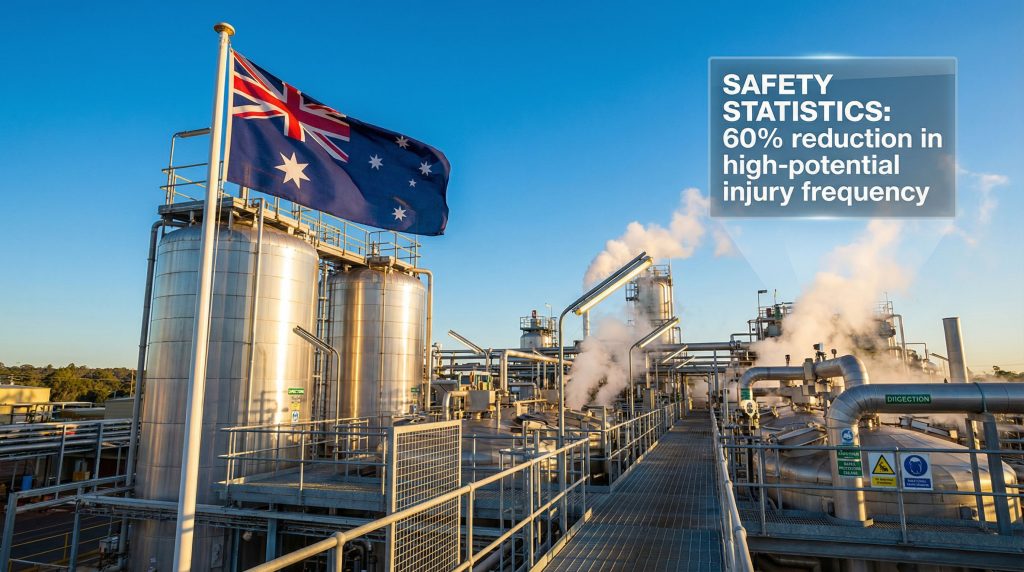
According to company disclosures, South32 achieved significant safety metric improvements in FY25:
• 60% reduction in high-potential injury and illness frequency
• 25% reduction in total recordable injury frequency
• 16,000+ participants in the "Lead Safely Every Day" programme since 2023
These statistics reflect systematic efforts to embed safety culture across South32's operational portfolio. However, serious incidents highlight the ongoing challenges of translating safety programmes into consistent operational outcomes, particularly in high-risk environments requiring specialised contractor expertise.
Operational Suspension Implications
South32's decision to suspend non-essential operations whilst maintaining critical safety and stability functions demonstrates risk management prioritisation. This approach balances regulatory compliance requirements with operational continuity needs, though specific production impact quantification remains undisclosed.
Consequently, the suspension affects peripheral activities whilst preserving core processing functions essential to equipment integrity and worker safety. This selective operational approach reflects sophisticated understanding of risk hierarchy in complex industrial settings.
Strategic Importance of Worsley in Australia's Alumina Sector
The Worsley Alumina refinery represents a critical component of Australia's integrated aluminium production chain, processing bauxite ore from Western Australia's jarrah forest regions into refined alumina for global export markets. This strategic positioning makes operational disruptions significant beyond immediate workplace safety concerns.
Production Chain Integration
Worsley's operational role encompasses:
• Primary processing of regional bauxite ore reserves
• Export alumina production for international aluminium smelting operations
• Regional economic contribution through employment and supply chain integration
• Global market supply contributing to international aluminium production capacity
Australia's alumina production represents approximately 7-9% of global output, with facilities like Worsley serving as anchor operations in the international supply chain. Furthermore, operational disruptions at major refineries can influence global alumina pricing and supply security for downstream aluminium producers.
Advanced Safety Prevention Technologies
Modern alumina refineries increasingly integrate sophisticated safety systems designed to prevent incidents involving height-related work and equipment maintenance. These technological solutions complement traditional safety protocols with real-time monitoring and automated protection systems, including AI in mining technology applications.
Engineering Control Systems
Advanced fall protection technologies include:
• Personal fall arrest systems with certified anchor points meeting Australian Standards AS 1576 and AS/NZS 4576
• Automated monitoring systems for equipment integrity and worker positioning
• Real-time alert mechanisms for pressure vessel anomalies and safety barrier failures
• Grid mesh inspection protocols using sensor-based monitoring for structural integrity
These technological solutions require integration with comprehensive training programmes and maintenance schedules to ensure effectiveness. The complexity of alumina refinery operations demands multi-layered safety approaches combining engineering controls, administrative procedures, and personal protective equipment.
Human Factors and Training Enhancement
Effective safety management in alumina refineries requires sophisticated understanding of human factors influencing risk exposure. This includes:
- Contractor integration protocols ensuring consistent safety standards across workforce categories
- Behavioural safety programmes addressing decision-making in high-risk situations
- Emergency response capability development for rapid incident response
- Supervision structure optimisation to maintain safety oversight during complex maintenance operations
The next major ASX story will hit our subscribers first
Long-Term Consequences and Industry Evolution
The South32 Worsley Alumina refinery incident contributes to ongoing evolution in Australia's approach to industrial safety management, particularly in high-risk sectors requiring specialised expertise and complex equipment maintenance. This evolution encompasses regulatory framework development, technology integration, and workforce competency enhancement.
Regulatory Development Trends
Expected regulatory responses may include:
• Enhanced height safety requirements for elevated work platforms in processing facilities
• Contractor management protocol updates addressing training verification and supervision standards
• Industry-wide safety audit intensification focusing on grid mesh and barrier integrity
• Technology integration mandates for monitoring systems in high-risk operational areas
These developments reflect broader trends toward proactive safety management using technology-enhanced monitoring and prevention systems rather than relying solely on traditional administrative controls.
Corporate Responsibility and Risk Management
South32 faces potential consequences encompassing regulatory penalties, compliance costs, and reputational implications affecting its positioning as a safety leader in the mining sector. The company's response to the Worsley incident will influence stakeholder confidence and regulatory relationships across its operational portfolio.
Long-term risk management implications include:
• Enhanced safety infrastructure investment requirements
• Technology upgrade considerations for monitoring and prevention systems
• Workforce confidence restoration measures through demonstrated safety commitment
• Insurance and liability management reflecting incident impact on risk profiles
Industry Safety Management Best Practices
The alumina refining sector continues developing comprehensive approaches to safety management that address the unique challenges of high-temperature processing, elevated work environments, and specialised maintenance requirements. These best practices emphasise integration of multiple protection layers rather than reliance on single safety measures.
Integrated Safety Framework Development
Effective safety management requires:
• Technology-driven prevention strategies using automated monitoring and alert systems
• Comprehensive contractor integration ensuring consistent safety standards across workforce categories
• Continuous improvement culture development based on incident analysis and prevention enhancement
• Collaborative industry safety initiatives sharing best practices and technological advances
For instance, the Worsley incident reinforces the importance of systematic safety management approaches that anticipate and prevent equipment-related incidents through comprehensive risk assessment and mitigation strategies.
Future Prevention Framework
Industry evolution toward enhanced safety performance requires sustained commitment to technological advancement, regulatory compliance, and workforce development. This includes investment in advanced protection systems, collaborative safety research, and continuous improvement processes that transform incident analysis into preventive action.
However, the alumina industry's response to incidents like the South32 Worsley Alumina refinery incident will determine the sector's success in achieving zero-harm operational goals whilst maintaining production efficiency and global competitiveness. This balance requires sophisticated understanding of risk management, technology integration, and human factors influencing safety outcomes in complex industrial environments.
Disclaimer: This analysis is based on publicly available information and industry knowledge. Specific incident details remain subject to ongoing WorkSafe WA investigation. Readers should consult official sources for the most current information regarding regulatory findings and safety recommendations.
Want to Identify the Next Major Mining Safety Innovation Investment?
Discovery Alert's proprietary Discovery IQ model delivers instant alerts on significant ASX mineral discoveries and technological breakthroughs in mining safety systems, helping investors spot opportunities before the broader market catches on. Explore historic examples of major discoveries that have delivered exceptional returns, and begin your 14-day free trial today to position yourself ahead of emerging trends in mining technology and safety innovation.