
July 28, 2026
Understanding Storage Systems and Market Response Mechanisms
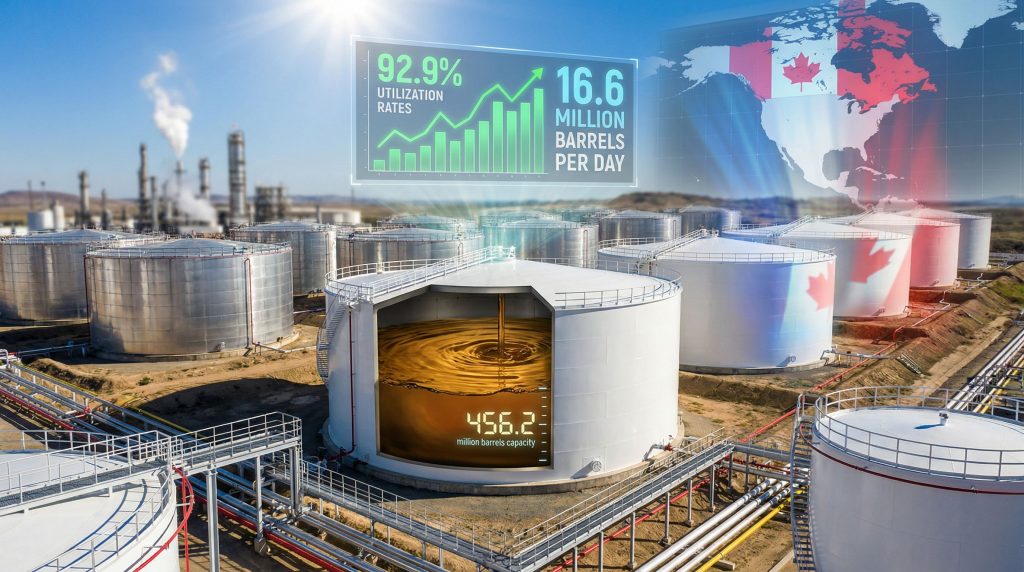
Storage capacity analysis reveals intricate relationships between inventory levels and energy market stability. Commercial petroleum storage operates through sophisticated systems designed to absorb supply shocks while maintaining operational flexibility for refiners and distributors across North America. Recent developments have highlighted how U.S. crude oil inventories see surprise 10 million barrel spike events can significantly impact market dynamics and pricing mechanisms.
Weekly reporting mechanisms provide critical market intelligence through standardised data collection protocols. These systems capture real-time inventory fluctuations, refinery throughput rates, and regional distribution patterns that influence crude oil pricing dynamics globally.
Advanced Inventory Tracking Technologies
Modern petroleum storage facilities employ automated monitoring systems that track inventory levels with precision accuracy. These technologies enable operators to respond rapidly to market changes while optimising storage utilisation across multiple geographic locations.
Tank farm management systems integrate weather forecasting, demand projections, and supply chain logistics to maintain optimal inventory levels. This integration helps prevent supply disruptions while maximising operational efficiency during peak demand periods.
The strategic positioning of storage hubs creates buffer capacity that absorbs unexpected supply variations. Furthermore, these systems demonstrate their capacity to handle significant volume fluctuations without market disruption when major inventory builds occur unexpectedly.
Processing Capacity and Throughput Analysis
Refinery utilisation patterns demonstrate the relationship between crude inventory management and downstream product demand. Current processing rates indicate strong operational activity, with facilities maintaining high throughput levels despite inventory accumulations.
| Operational Metric | Current Level | Industry Benchmark | Market Impact |
|---|---|---|---|
| Refinery Utilisation | >90% | 85-92% | High processing demand |
| Storage Utilisation | 65-70% | 60-80% | Adequate buffer capacity |
| Weekly Throughput | 16+ million bpd | 15-17 million bpd | Strong demand signals |
Processing capacity optimisation involves balancing crude inputs with refined product output to meet seasonal demand patterns. Refiners adjust their operations based on inventory levels, market prices, and anticipated consumption trends across different product categories.
When big ASX news breaks, our subscribers know first
Market Dynamics and Pricing Mechanisms
Complex relationships exist between storage levels and price formation in crude oil markets. Traditional inverse correlations between inventory builds and pricing can be disrupted by geopolitical factors, supply chain constraints, and broader economic conditions affecting energy demand. Moreover, understanding oil price rally dynamics becomes crucial when analysing these market shifts.
Supply Chain Disruption Patterns
Transportation bottlenecks create temporary inventory accumulations at strategic locations throughout the petroleum distribution network. Pipeline maintenance schedules, rail capacity limitations, and marine transportation availability all influence regional storage patterns.
Regional demand variations contribute to uneven inventory distribution across different market areas. Additionally, seasonal refinery maintenance periods, local consumption patterns, and export demand fluctuations create temporary imbalances that affect overall storage utilisation rates.
Strategic inventory positioning allows operators to capitalise on regional price differences while maintaining supply security. This approach involves holding inventory at multiple locations to optimise transportation costs and market timing opportunities.
Market Psychology and Trading Responses
Inventory data releases trigger immediate market responses as traders interpret supply-demand signals. Large unexpected builds or draws can generate significant price volatility as market participants adjust their positions based on perceived market tightness or oversupply conditions. These reactions are particularly evident in surprise U.S. inventory jumps that challenge market expectations.
Key Market Response Factors:
- Consensus expectations versus actual inventory changes
- Geopolitical risk premiums affecting price sensitivity
- Seasonal demand patterns influencing interpretation
- Refinery utilisation rates providing context
- Regional storage capacity constraints
Professional traders utilise sophisticated algorithms to analyse inventory data alongside broader market indicators. These systems process multiple data streams simultaneously to identify trading opportunities and risk factors that influence short-term price movements.
Geographic Distribution and Strategic Positioning
Storage hub concentration affects market pricing through delivery point dynamics and transportation logistics. Major storage centres serve as price discovery locations where physical supply meets financial market mechanisms.
Regional Storage Infrastructure
Commercial storage capacity varies significantly across different regions based on historical development patterns, pipeline connectivity, and local market requirements. Gulf Coast facilities typically maintain larger capacity due to refinery concentration and export infrastructure.
Midwest storage systems focus on serving regional refinery needs and managing seasonal demand variations. These facilities often experience different inventory cycles compared to coastal locations due to agricultural demand patterns and transportation constraints. Consequently, oil price stagnation factors can affect regional pricing differently.
West Coast storage infrastructure operates somewhat independently due to geographic isolation and unique product specifications. Environmental regulations and limited pipeline connectivity create distinct market dynamics in this region.
Transportation Network Integration
Pipeline systems connect storage facilities across vast geographic areas, enabling efficient inventory management and regional supply balancing. Major pipeline networks transport millions of barrels daily between production areas, storage hubs, and consumption centres.
Rail transportation provides flexibility for moving inventory to areas not served by pipelines. This transportation mode becomes particularly important during pipeline maintenance periods or when regional price differentials make rail economics attractive.
Marine transportation systems handle international crude movements and coastal distribution. Tanker availability and port capacity influence inventory accumulation patterns at major coastal storage facilities.
Energy Security and Strategic Reserve Systems
National energy security involves multiple layers of inventory management designed to address different types of supply disruptions. Strategic petroleum reserves provide emergency response capability while commercial inventories maintain operational flexibility for market participants.
Multi-Layered Security Framework
Emergency response systems combine government-controlled strategic reserves with commercial working inventories to create comprehensive supply security. These systems operate independently but can coordinate during crisis situations to maintain market stability.
"Modern energy security frameworks extend beyond simple storage capacity to encompass integrated supply chain resilience, real-time monitoring capabilities, and rapid response mechanisms that can address various disruption scenarios simultaneously."
Strategic reserve drawdown capabilities provide options for addressing severe supply interruptions. These systems maintain specific grades of crude oil suitable for emergency distribution to refiners during crisis periods.
Commercial inventory management focuses on operational efficiency and profit optimisation rather than emergency response. However, these systems provide significant buffer capacity that enhances overall supply security through normal market operations.
International Coordination Mechanisms
Allied nations coordinate emergency response procedures through established international frameworks. These agreements enable rapid information sharing and coordinated action during major supply disruptions affecting multiple countries simultaneously. For instance, global trade impact considerations influence these collaborative efforts.
Cross-border pipeline systems and shared storage facilities enhance regional energy security. These infrastructure connections enable rapid supply rebalancing during localised disruptions or demand surges.
Refined Product Inventory Dynamics
Finished petroleum products exhibit different storage patterns compared to crude oil due to distinct demand cycles, shelf life considerations, and regional consumption variations. Gasoline, diesel, and heating oil each follow specific seasonal patterns that influence storage strategies.
Seasonal Demand Patterns
Spring inventory transitions involve shifting from heating oil production toward gasoline manufacturing as temperatures warm and driving season approaches. This transition typically occurs during March and April as refiners adjust their product slate to match anticipated demand.
Summer driving season creates peak gasoline demand that draws down accumulated inventory while refiners maximise gasoline production. Storage levels typically decline during this period as consumption exceeds production rates in many regions.
Fall preparation involves rebuilding heating oil inventories ahead of winter demand while maintaining adequate gasoline supplies for continued transportation fuel needs. This balancing act requires careful inventory management across multiple product categories.
Winter heating demand creates peak consumption for middle distillates while gasoline demand moderates. Regional inventory distribution becomes critical as weather patterns affect heating requirements across different geographic areas.
Product Quality and Specification Management
Refined product storage requires maintaining product quality specifications over extended periods. Gasoline formulations vary seasonally and regionally based on environmental regulations and performance requirements.
Blending operations enable refiners to adjust product specifications while managing inventory levels efficiently. These capabilities provide flexibility to meet varying market demands without maintaining excessive specialised inventory.
Quality degradation considerations influence inventory turnover rates and storage duration. Certain refined products have limited shelf life, requiring active inventory management to prevent quality deterioration.
The next major ASX story will hit our subscribers first
Advanced Supply Chain Optimisation
Modern petroleum inventory management integrates predictive analytics, real-time monitoring, and automated trading systems to optimise storage utilisation while minimising costs. These systems process vast amounts of market data to make rapid inventory positioning decisions. Additionally, oil price movements analysis helps inform these strategic decisions.
Predictive Analytics and Forecasting
Demand forecasting models incorporate weather data, economic indicators, and historical consumption patterns to predict inventory requirements. Machine learning algorithms continuously refine these predictions based on actual market performance and emerging trends.
Supply chain optimisation algorithms balance inventory holding costs against potential supply disruption risks. These systems evaluate multiple scenarios to determine optimal inventory levels across different storage locations and time horizons.
Optimisation Parameters:
- Storage capacity utilisation rates
- Transportation cost minimisation
- Regional price differential opportunities
- Seasonal demand pattern adjustments
- Supply disruption risk assessment
- Environmental compliance requirements
Real-time market monitoring systems track price movements, inventory changes, and supply chain disruptions to identify optimisation opportunities. Automated trading algorithms can execute inventory positioning strategies based on predefined market conditions and risk parameters.
Integration with Financial Markets
Physical inventory management increasingly integrates with financial market instruments to hedge price risks and optimise returns. Storage operators utilise futures contracts, options, and swap agreements to manage exposure to price volatility.
Contango market conditions encourage inventory accumulation by providing positive carry returns for storage operators. Backwardated markets discourage inventory holding due to negative carry costs, influencing storage utilisation decisions.
Physical-financial arbitrage opportunities arise when storage economics create profitable trading strategies. Sophisticated market participants combine storage capacity with financial instruments to capture these opportunities while managing associated risks. Meanwhile, understanding OPEC production impact remains essential for these calculations.
The convergence of physical storage operations with digital trading platforms enables rapid response to market changes and enhanced capital efficiency. These integrated systems represent the evolution of traditional petroleum inventory management toward data-driven optimisation strategies that maximise both operational efficiency and financial performance. Furthermore, recent EIA inventory reports continue to demonstrate the significance of these advanced systems in managing market volatility effectively.
Want to Capitalise on Energy Market Volatility?
Discovery Alert's proprietary Discovery IQ model provides instant notifications on significant ASX mineral and energy discoveries, turning complex market data into actionable investment insights for both short-term traders and long-term investors. Explore how major discoveries have historically generated substantial returns by visiting Discovery Alert's discoveries page and begin your 14-day free trial today to secure your market-leading advantage.