
August 6, 2026
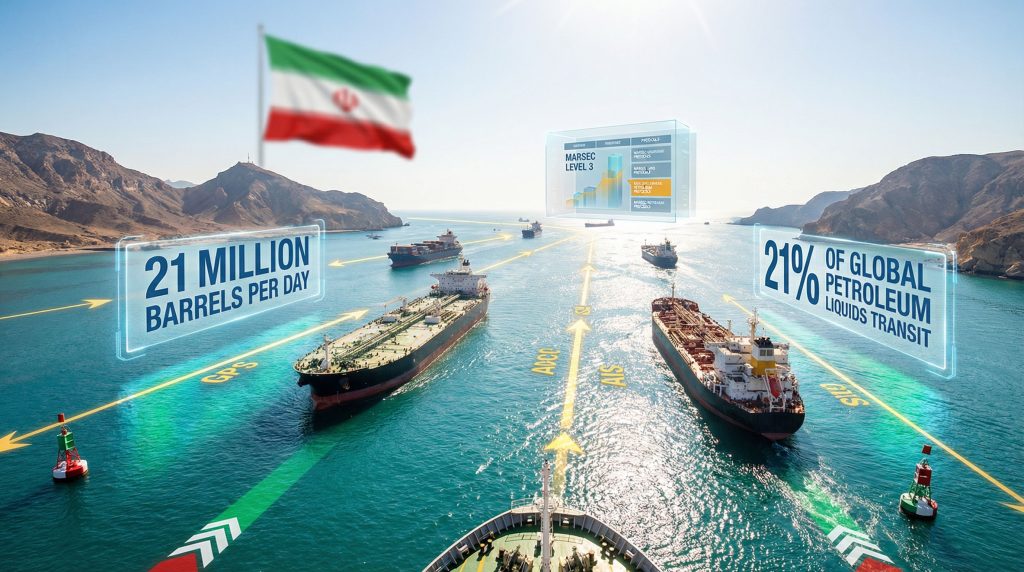
The Strait of Hormuz crisis demonstrates how geopolitical tensions expose vulnerabilities in global maritime governance frameworks. When projectiles hit ships near strait of Hormuz, the international community confronts complex legal, economic, and security challenges that existing regulatory mechanisms struggle to address effectively. The intricate interplay between maritime law, national sovereignty, and commercial interests requires comprehensive analysis to understand the broader implications for global shipping security.
Complex Legal Frameworks Governing Critical Maritime Passages
International maritime law creates intricate jurisdictional boundaries in strategic straits, where multiple coastal states maintain sovereignty over territorial waters while remaining bound by global navigation principles. The regulatory environment operates under dual frameworks that must balance free navigation rights with coastal state security concerns, creating potential conflicts during crisis situations.
The United Nations Convention on the Law of the Sea establishes fundamental principles for international straits, requiring coastal states to permit continuous transit while maintaining authority over their territorial waters. This framework reflects post-1945 consensus building that prioritised commercial navigation freedom over absolute coastal sovereignty, yet contemporary security challenges test these foundational assumptions.
Key Regulatory Principles:
- Transit passage rights cannot be suspended by coastal states under ordinary circumstances
- Coastal state obligations include ensuring safe passage through international corridors
- Flag state responsibilities extend to vessel safety and crew protection during transit
- International oversight through IMO protocols for maritime security incidents
Maritime Law Complexity in Practice:
| Jurisdiction Type | Navigation Rights | Coastal State Authority | International Oversight |
|---|---|---|---|
| Territorial Waters | Innocent Passage | Full Regulatory Control | Limited IMO Guidance |
| International Straits | Transit Passage | Navigation Safety Obligations | Enhanced IMO Protocols |
| Exclusive Economic Zones | Freedom of Navigation | Resource Management Rights | Comprehensive Framework |
Furthermore, these legal frameworks become increasingly complex when considering how commodity trading dynamics influence vessel routing decisions during security crises.
When big ASX news breaks, our subscribers know first
Documented Maritime Security Incidents and Regulatory Violations
Recent maritime attacks represent systematic violations of international law governing commercial shipping safety. The scope and coordination of these incidents suggest deliberate targeting of global trade infrastructure rather than isolated security lapses.
March 1, 2026 Incident Analysis:
| Time Period | Vessel Details | Location Specifics | Jurisdictional Zone | Incident Severity |
|---|---|---|---|---|
| Morning | Palau-flagged Skylight (11,262 dwt) | 5nm north of Khasab, Oman | Omani territorial waters | Direct strike, crew injuries |
| Midday | Oil tanker (undisclosed flag) | 50nm north of Muscat | International waters | Engine room fire |
| Midday | Commercial vessel | 17nm northwest Mina Saqr, UAE | UAE territorial waters | Direct strike, fire extinguished |
| Midday | Merchant ship | 35nm west of Sharjah, UAE | International waters | Near-miss explosion |
The Skylight incident proves particularly significant for regulatory analysis. This small products tanker, with capacity for approximately 80,000-85,000 barrels, carried a mixed crew of 15 Indian and 5 Iranian nationals. Four crew members sustained injuries requiring medical treatment, while all 20 were evacuated by Omani military and civilian agencies.
Multi-National Crew Implications:
The international composition of affected crews creates complex diplomatic obligations. When projectiles hit ships near strait of Hormuz with multi-national crews, multiple flag states, coastal states, and crew nationality states acquire simultaneous interests in incident investigation and crew protection.
Port Infrastructure Disruption:
- Jebel Ali, UAE: Complete operational suspension
- Duqm Port, Oman: Drone strikes injuring one worker
- Ras Laffan, Qatar: Significant GPS signal degradation
- Regional ports: Varying security level implementations
"The March 2026 incidents demonstrate how maritime security threats can simultaneously violate multiple international legal frameworks while exposing coordination gaps between coastal state protection capabilities and international legal obligations."
Moreover, detailed analysis from maritime security agencies reveals the systematic nature of these attacks across multiple jurisdictional zones.
International Transit Rights Under Maritime Law
Article 38 of UNCLOS establishes an absolute principle that transit passage through international straits cannot be suspended, reflecting Cold War-era negotiations designed to prevent strategic chokepoint weaponisation. This framework emerged from superpower competition concerns but applies equally to contemporary regional conflicts.
Transit Passage Definition and Scope:
Transit passage encompasses freedom of navigation and overflight for continuous transit between high seas or exclusive economic zones. Unlike innocent passage in territorial waters, transit passage permits activities incidental to normal navigation, including necessary stopping and anchoring.
Article 44 Coastal State Obligations:
Coastal states bear specific responsibilities that create enforcement challenges during security crises:
- Must not hamper transit passage under any circumstances
- Required to implement internationally accepted safety regulations
- Cannot discriminate against foreign vessels regarding fees or conditions
- Must establish adequate communication channels for distress signals
When projectiles hit ships near strait of Hormuz, these obligations face practical limitations. Coastal states may lack physical capacity to protect transiting vessels while remaining legally responsible for ensuring safe passage.
Treaty Compliance Status:
All regional maritime powers have ratified UNCLOS, creating binding legal obligations:
- Iran: Ratified July 14, 1985
- Oman: Ratified August 19, 1986
- UAE: Ratified May 26, 1992
- Panama: Ratified June 10, 1996 (major flag state)
Legal Framework Limitations:
The March 1, 2026 incidents exposed fundamental gaps in international maritime law. Multiple vessels received radio transmissions claiming the strait was closed, directly violating Article 38 prohibitions on transit suspension. However, no enforcement mechanism exists to immediately counter such declarations during active conflicts.
Additionally, these incidents demonstrate how oil price rally under tariffs can compound economic pressures when strategic shipping lanes face security threats.
What Happens When International Transit Rights Are Violated?
Current international frameworks lack immediate enforcement mechanisms for transit right violations during active conflicts. Consequently, commercial shipping operators must navigate between legal obligations and practical security concerns without clear regulatory guidance.
International Maritime Organization Response Protocols
The International Maritime Organization maintains comprehensive protocols for maritime security incidents, yet implementation faces significant challenges when state-sponsored attacks target commercial shipping. Current frameworks assume good faith cooperation between flag states, coastal states, and international organisations.
Flag State Authority and Obligations:
Panama's Maritime Authority demonstrated effective flag state response by issuing comprehensive guidance to Panama-flagged vessels in affected regions. The advisory specifically addressed the Cypres and Captain Michael, requiring immediate risk assessments and enhanced safety protocols.
Panama Maritime Authority Requirements:
- Immediate avoidance of conflict zones including Iran, Israel, and the Gulf region
- Enhanced security measures for unavoidable transits
- Comprehensive crew safety protocols
- Regular position reporting to flag state authorities
Panama represents the world's largest commercial vessel registry, making their response particularly significant for global shipping patterns. Their binding directives demonstrate how flag states can effectively manage maritime security risks through regulatory authority over vessel operators.
IMO Security Level Classifications:
The Maritime Security Committee employs graduated threat assessments:
| MARSEC Level | Threat Assessment | Required Protocols | Regional Implementation |
|---|---|---|---|
| Level 1 | Normal Security | Standard procedures | Most global ports |
| Level 2 | Heightened Security | Enhanced screening | Regional Gulf ports |
| Level 3 | Exceptional Security | Maximum protocols | Strait vicinity |
Automatic Identification System Vulnerabilities:
GPS disruption in the region violates IMO requirements for continuous vessel tracking under SOLAS Chapter V. The systematic electronic warfare targeting commercial navigation creates regulatory compliance impossibilities, as vessels cannot maintain required position reporting during widespread signal interference.
In addition, reports from international shipping monitors highlight the unprecedented scale of shipping disruption during these crisis periods.
Economic Consequences of Maritime Route Disruption
Energy security frameworks face severe stress when approximately 21% of global petroleum liquids transit faces systematic threats. The Strait of Hormuz handles approximately 21 million barrels per day of oil and 20% of global LNG shipments, making disruption economically catastrophic.
Regional Export Dependencies:
| Exporting State | Daily Oil Volume | LNG Dependency | Alternative Routes |
|---|---|---|---|
| Saudi Arabia | 5.3 million barrels | Moderate | East-West Pipeline |
| Iraq | 3.2 million barrels | Limited | None available |
| UAE | 2.1 million barrels | Significant | Fujairah Pipeline |
| Kuwait | 1.4 million barrels | High | None available |
| Iran | 1.7 million barrels | Moderate | Limited options |
Insurance Market Response:
War risk insurance markets activated immediately when projectiles hit ships near strait of Hormuz. Lloyd's Joint War Committee protocols triggered automatic policy reviews and premium surcharges ranging from 300-500% increases for vessels transiting affected areas.
Shipping Traffic Disruption Metrics:
- At least 9 LNG carriers changed course away from the strait
- Most commercial vessels pooling east of the strait awaiting clarification
- Insurance companies implementing seven-day cancellation clauses
- Alternative route premiums increasing 15-20% for longer shipping lanes
OPEC+ Strategic Response:
Eight core OPEC+ members agreed to resume production increases in April 2026, accelerating monthly increments from 137,000 to 206,000 barrels per day. This decision demonstrates producer awareness of potential supply disruption risks while maintaining market stability objectives.
Furthermore, the broader implications of OPEC production impact on global energy markets become particularly relevant during such security crises.
How Do Insurance Markets React to Maritime Security Threats?
War risk insurance activation creates immediate financial consequences for global shipping. Premium increases of 300-500% reflect market assessment of actual threat levels rather than regulatory classifications, often providing more accurate risk evaluation than official government advisories.
Flag State Regulatory Authority in Crisis Situations
Flag states exercise primary jurisdiction over vessels during maritime crises, creating complex multi-jurisdictional scenarios when incidents occur in international waters. Panama's response to regional threats demonstrates effective regulatory authority implementation.
Palau Flag State Complications:
The Skylight incident highlights regulatory challenges for small flag states. Palau lacks comprehensive maritime enforcement capabilities, yet bears legal responsibility for vessel safety and crew welfare. The vessel's previous appearance on US sanctions lists targeting Iranian oil networks adds additional regulatory complexity.
Multi-National Crew Protection:
When ships carry crews from multiple nationalities, diplomatic obligations multiply exponentially. The Skylight's crew included 15 Indian and 5 Iranian nationals, requiring coordination between:
- Palau: Flag state responsibility
- India: Crew nationality protection
- Iran: Crew nationality protection
- Oman: Coastal state rescue obligations
- International organisations: Humanitarian assistance
Regulatory Framework Gaps:
Current international maritime law lacks comprehensive frameworks addressing state-sponsored attacks on commercial vessels. The Suppression of Unlawful Acts Convention requires updating to address modern threats including drone warfare and systematic GPS jamming.
However, the economic implications extend beyond immediate security concerns, as demonstrated by how US tariffs and inflation can compound global trade disruptions.
The next major ASX story will hit our subscribers first
Navigation Safety and Electronic Warfare Implications
Systematic GPS disruption creates fundamental challenges for maritime regulatory compliance. Ships cannot maintain required AIS tracking when signal interference prevents accurate position determination, creating regulatory violations beyond vessel operator control.
AIS System Regulatory Requirements:
International regulations mandate continuous vessel identification and tracking for commercial ships. When projectiles hit ships near strait of Hormuz amid widespread electronic warfare, vessels face impossible compliance situations.
SOLAS Chapter V Compliance Challenges:
The Safety of Life at Sea Convention requires backup navigation systems, but widespread GPS disruption overwhelms alternative positioning methods. Traditional celestial navigation and radar positioning cannot provide the precision required for modern shipping traffic management.
Regional GPS Degradation Patterns:
- Ras Laffan Port, Qatar: Significant signal degradation reported
- Strait vicinity: Multiple vessel tracking failures
- Regional shipping lanes: Intermittent positioning capability
- Port approaches: Enhanced pilot requirements
IMO e-Navigation Strategy Updates:
The International Maritime Organisation's electronic navigation framework requires updating to address systematic electronic warfare targeting commercial shipping. Current protocols assume occasional technical failures rather than coordinated state-level interference.
What Are the Long-term Implications of Electronic Warfare on Commercial Shipping?
Electronic warfare targeting commercial vessels creates precedents that could normalise such tactics in future conflicts. Consequently, maritime regulatory frameworks must evolve rapidly to address threats that existing legal structures never anticipated.
Long-term Policy Development Requirements
Maritime security incidents reveal fundamental inadequacies in international frameworks governing commercial shipping protection. Policy development must address 21st-century threats while maintaining free navigation principles established in the post-World War II order.
Multilateral Security Framework Needs:
Current regional cooperation agreements focus primarily on traditional piracy rather than state-sponsored maritime attacks. The Regional Cooperation Agreement on Combating Piracy requires expansion to address systematic threats to commercial shipping from state actors.
Regulatory Reform Priorities:
International maritime organisations must develop comprehensive updates addressing:
- Drone threat mitigation protocols for commercial vessel protection
- Enhanced vessel hardening requirements against projectile attacks
- Coordinated international response mechanisms for multi-jurisdictional incidents
- Alternative energy transit route development reducing chokepoint dependencies
Insurance Regulatory Framework Evolution:
War risk insurance protocols require updating to address modern maritime threats. Traditional frameworks assume conventional warfare patterns rather than systematic targeting of commercial infrastructure through precision weapons and electronic warfare.
Future Chokepoint Management:
Strategic maritime passages require enhanced international governance mechanisms. The current framework relies on coastal state cooperation that proves inadequate when those states become conflict participants or lack enforcement capabilities.
"International maritime law must evolve beyond Cold War-era assumptions to address contemporary threats while preserving fundamental navigation freedoms that underpin global commerce."
Investment in Alternative Infrastructure:
Long-term policy responses require substantial investment in alternative energy transportation routes. Saudi Arabia's east-west pipeline capacity expansion and UAE's Fujairah routing demonstrate potential mitigation strategies, but require coordinated international development.
Additionally, understanding how tariffs impact markets becomes crucial when evaluating alternative transportation infrastructure investments.
Regulatory Harmonisation Requirements:
Flag state authorities need harmonised protocols for crisis response. The disparity between Panama's comprehensive guidance and Palau's limited capabilities demonstrates the need for international assistance frameworks for smaller maritime administrations.
The March 2026 incidents when projectiles hit ships near strait of Hormuz represent a watershed moment for international maritime governance. Effective responses require coordinated updates to legal frameworks, insurance protocols, and international cooperation mechanisms that address modern threats while preserving the navigation freedoms essential for global economic stability.
Disclaimer: This analysis contains forward-looking assessments and policy recommendations based on current regulatory frameworks. Maritime law and international relations remain subject to rapid change during crisis periods, requiring continuous monitoring and analysis updates.
Looking to Capitalise on Energy Market Volatility?
Discovery Alert's proprietary Discovery IQ model delivers real-time alerts on significant energy and commodity discoveries, empowering subscribers to identify actionable opportunities ahead of broader markets during periods of geopolitical uncertainty. Visit Discovery Alert's discoveries page to understand why historic mineral discoveries have generated substantial returns, then begin your 14-day free trial to position yourself strategically as global energy dynamics reshape investment landscapes.