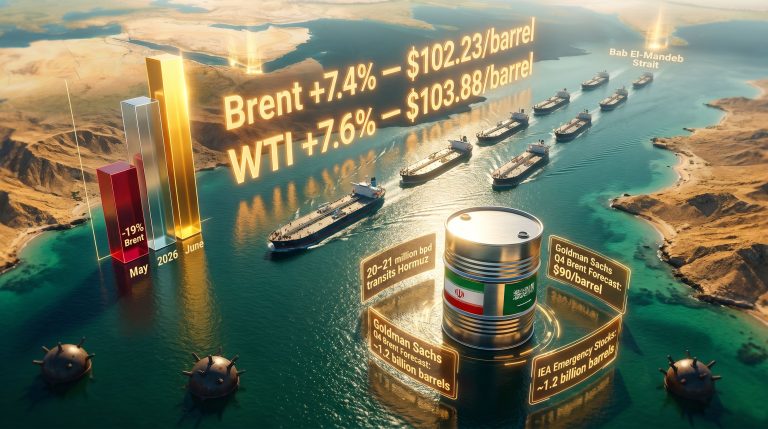
June 6, 2026
Global energy markets continue navigating unprecedented disruption as traditional maritime law frameworks clash with emerging geopolitical control mechanisms over critical shipping chokepoints. The intersection of regional conflict dynamics and international trade dependencies has created new paradigms for vessel transit negotiations, fundamentally altering how nations secure access to essential commodity flows. These developments represent a shift from established international maritime protocols toward bilateral diplomatic arrangements that prioritize strategic relationships over universal navigation rights, with strait of Hormuz passage agreements becoming increasingly complex negotiations.
Understanding Iran's Strategic Transit Control Framework
The Strait of Hormuz has emerged as a critical testing ground for selective maritime passage systems that operate outside traditional international shipping protocols. This narrow waterway, connecting the Arabian Gulf to global markets, has become subject to discretionary transit arrangements that prioritize diplomatic relationships over conventional navigation freedoms.
Recent developments demonstrate Iran's implementation of a partner-based access system that differentiates between nations based on geopolitical alignment. Unlike universal maritime corridors governed by international law, this framework requires bilateral negotiations for each vessel passage, creating unprecedented complexity for global shipping operations. Furthermore, these arrangements have significant implications for the broader oil price rally as supply chains face mounting pressures.
Economic Impact on Global Energy Markets
Current transit data reveals the dramatic scope of shipping disruption affecting international energy supplies. Weekend passage records show 21 vessels successfully navigating the strait, with 13 bound for the Arabian Sea, representing the highest two-day transit volume since early March 2026. However, this figure remains drastically below pre-conflict levels when approximately 135 ships crossed daily under normal operations.
| Transit Period | Daily Average | Weekend Peak | Reduction Rate |
|---|---|---|---|
| Pre-conflict baseline | 135 vessels | 140+ vessels | N/A |
| Current operations | <15 vessels | 21 vessels | 85%+ decline |
| Arabian Sea bound | Unknown | 13 vessels | Significant reduction |
The economic implications extend beyond immediate shipping delays, as energy-constrained governments face mounting pressure to secure alternative supply arrangements while navigating complex diplomatic negotiations for basic transit rights. Consequently, these disruptions contribute to broader oil price movements that ripple through global commodity markets.
When big ASX news breaks, our subscribers know first
Diplomatic Frameworks Behind Transit Negotiations
Countries seeking passage through the strait must now engage in bilateral diplomatic processes that combine trade negotiations with transit permissions. This represents a fundamental departure from established maritime practices where commercial vessels typically enjoy freedom of navigation based on international protocols.
Multi-Stage Negotiation Processes
The diplomatic process involves several key components that distinguish these arrangements from traditional shipping agreements:
- Bilateral government-to-government negotiations rather than commercial shipping arrangements
- Trade package coordination linking commodity purchases to transit permissions
- Strategic relationship assessment based on geopolitical alignment
- Vessel-specific approval processes requiring individual clearance requests
- Multi-attempt application protocols accommodating initial denial scenarios
Pakistan's consideration of deploying additional tankers and reflagging vessels under different flags demonstrates the complex operational strategies emerging from this new transit framework. The country received permission to move 20 ships from the Arabian Gulf, exceeding current stranded vessel numbers, indicating Iran's willingness to accommodate strategic partners through expanded access arrangements.
Oman's Emerging Mediation Role
Oman has positioned itself as a neutral facilitator between Iran and international shipping interests, conducting talks aimed at ensuring smooth maritime traffic flow. This mediation function represents a significant diplomatic opportunity for the sultanate, potentially establishing long-term influence over regional energy transit arrangements. Moreover, these diplomatic efforts occur against the backdrop of escalating global tariff impacts that complicate international trade relationships.
Iran is responding to the requests of its partners while strengthening its control over the Strait of Hormuz. Transit remains subject to Iran's discretion, and the situation could change at any time if the conflict escalates.
This assessment by Muyu Xu, Senior Crude Oil Analyst at Kpler Singapore, highlights the inherent volatility and discretionary nature of current passage arrangements.
Current Access Hierarchy and Partner Classifications
Iran's selective passage system operates through apparent relationship tiers that determine access levels and approval likelihood for different nations. This classification system reveals strategic priorities and alliance structures influencing global energy supply chains.
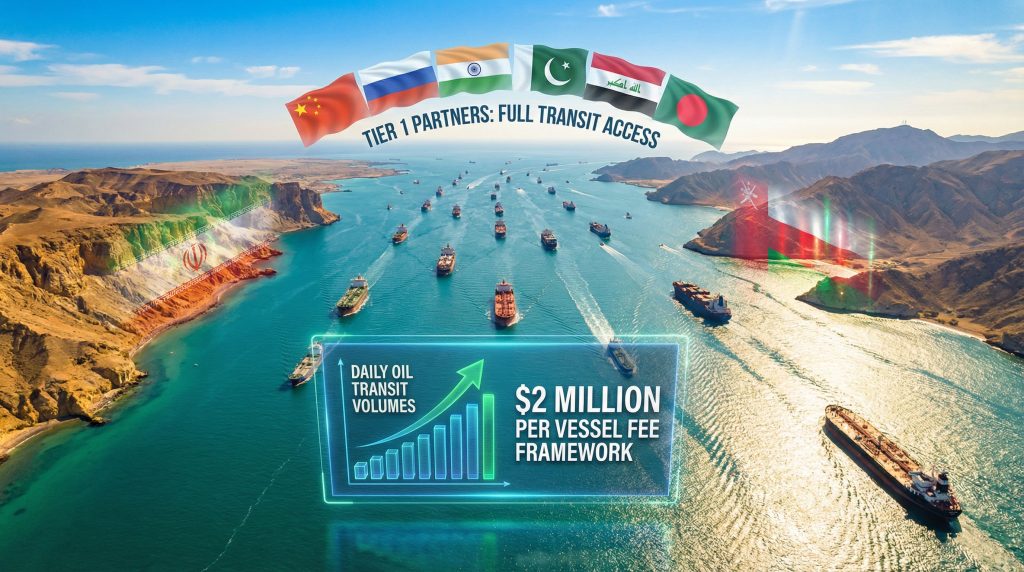
Tier 1 Strategic Partners: Confirmed Access
Several countries have demonstrated successful passage negotiations through various strategic approaches:
Iraq: Received explicit "brotherly nation" exemption status, with one oil tanker carrying Iraqi crude successfully transiting the strait. This designation suggests relationship-based preferential treatment extending beyond commercial considerations.
India: Achieved passage for eight liquefied petroleum gas tankers after negotiating Iranian LPG purchases for the first time in years. This trade-linked transit arrangement demonstrates how commodity agreements can facilitate passage rights.
China: Successfully moved two container ships through the strait on a second attempt, indicating persistence in negotiation strategies can overcome initial denials. These developments align with broader trade war effects reshaping international commerce patterns.
Japan: Secured passage for two vessels through unspecified arrangement terms, suggesting multiple diplomatic pathways for access.
Pakistan: Offered permission for up to 20 vessels, representing one of the largest single-country allocations disclosed in recent passage arrangements.
Operational Variations and Route Designations
Vessel routing patterns reveal Iran's tactical control mechanisms over strait navigation. Most approved vessels initially followed routes apparently designated by Tehran, hugging the Iranian coastline. However, an increasing number have begun navigating along the opposite shore, suggesting evolving operational flexibility within the framework.
These routing variations indicate Iran's capacity to direct traffic flow based on security considerations, diplomatic relationships, or operational requirements that extend beyond simple passage permission.
Financial Frameworks and Transit Fee Development
Iran has initiated legislative processes to formalise control over the strait while establishing standardised transit fee structures. This institutionalisation represents a transition from informal payment arrangements to regulated revenue systems that could reshape international shipping cost structures.
Informal to Formal Payment Evolution
According to shipowner reports, transit fee systems have operated informally for weeks before legislative formalisation. This transition suggests Iran's intent to create predictable, standardised arrangements that provide regulatory clarity while generating sustainable revenue streams.
Tehran has indicated that passage reopening will not proceed until transit fees collected from vessels cover war-related damages, positioning these charges as compensation mechanisms rather than purely commercial tolls. Furthermore, the Iranian authorities' strategic control over this critical shipping lane represents a significant shift in regional power dynamics.
Revenue Requirements and Compensation Framework
The fee structure appears designed to address multiple objectives:
- Damage compensation for conflict-related infrastructure impacts
- Operational cost recovery for enhanced security and monitoring systems
- Revenue generation for ongoing strait management and control operations
- Strategic leverage over international shipping and energy markets
This multi-purpose approach distinguishes Iran's proposed system from traditional canal toll structures that primarily cover operational and maintenance costs.
Strategic Implications for Regional Energy Security
Iran's enhanced leverage over Gulf energy exports through selective passage arrangements has fundamentally altered regional power dynamics and energy security calculations for importing nations. This control mechanism extends Iranian influence far beyond traditional territorial boundaries into global commodity markets.
Geopolitical Relationship Impacts
The passage agreement system has created new diplomatic incentives for countries seeking energy security. Nations must now balance their broader foreign policy positions with immediate energy access requirements, potentially influencing alliance structures and international relationship priorities.
Iraq's "brotherly nation" designation demonstrates how regional relationships can translate into tangible economic benefits through preferential access arrangements. This precedent may encourage other nations to recalibrate their diplomatic approaches toward Iran to secure similar advantages.
Long-term Supply Chain Adaptations
The discretionary nature of passage approvals has prompted several adaptive strategies among affected nations:
- Alternative route development for long-term energy security
- Strategic reserve expansion to buffer against supply disruptions
- Diplomatic relationship cultivation with Iran for sustained access
- Vessel reflagging strategies to optimise passage approval likelihood
- Multi-source supply diversification reducing strait dependency
These adaptations suggest that even temporary passage restrictions may have lasting impacts on global energy trade patterns and strategic planning. Additionally, concerns about hormuz traffic management highlight the international community's recognition of this chokepoint's critical importance to global energy security.
Future Evolution of Strait of Hormuz Passage Agreements
The trajectory toward legislative formalisation indicates Iran's intent to create permanent institutional frameworks governing strait access. This evolution from crisis-driven restrictions to systematic control mechanisms may establish new precedents for chokepoint management in international shipping.
Institutional Development Trajectory
Current legislative initiatives focus on several key areas:
- Standardised fee schedules providing cost predictability for operators
- Formal diplomatic protocols for passage negotiation and approval
- Vessel classification systems determining eligibility and access levels
- Monitoring and enforcement mechanisms ensuring compliance with agreements
- Revenue management frameworks for fee collection and distribution
The success of this institutional development may influence similar approaches at other critical maritime chokepoints, potentially reshaping global shipping governance structures.
Uncertainty and Volatility Factors
Despite formalisation efforts, passage agreement stability remains contingent on regional conflict dynamics and broader geopolitical developments. The discretionary nature of Iranian approval decisions means that access can change rapidly based on evolving political circumstances.
This volatility creates ongoing planning challenges for shipping companies and energy importers who must develop contingency strategies for potential access disruption. In addition, strait of Hormuz passage agreements remain vulnerable to broader geopolitical tensions affecting the region.
The next major ASX story will hit our subscribers first
Business and Investment Considerations
Organisations operating in affected regions must develop sophisticated risk assessment frameworks that account for diplomatic relationship factors alongside traditional commercial considerations. The intersection of geopolitical alignment and business operations has created new due diligence requirements for maritime and energy sector investments.
Key Risk Assessment Factors
Companies evaluating strait passage requirements should consider several critical elements:
Diplomatic Relationship Status: Corporate operations may be affected by their home country's diplomatic relationship with Iran, requiring coordination with government foreign policy positions.
Vessel Flag Considerations: Ship registration and flagging decisions now carry geopolitical implications that can influence passage approval likelihood.
Trade Package Opportunities: Companies may benefit from coordinating commodity purchases with passage negotiations, as demonstrated by India's successful LPG arrangement.
Multi-Attempt Strategy Planning: Initial passage denials should not be considered final rejections, as demonstrated by China's second-attempt success.
Alternative Route Cost Analysis: Organisations must evaluate the economic trade-offs between passage fee payments and alternative shipping routes around Africa.
Investment Implications for Energy Infrastructure
The passage agreement framework has created new investment considerations for energy sector participants:
- Regional energy project valuations now incorporate diplomatic risk factors
- Shipping company strategic positioning requires geopolitical analysis capabilities
- Port infrastructure development may shift toward alternative route support
- Energy storage and strategic reserve investments gain importance for supply security
- Diplomatic relationship management becomes a critical business competency
Frequently Asked Questions About Strait Passage Agreements
How Do Companies Navigate Passage Approval Processes?
Organisations typically work through government diplomatic channels rather than pursuing direct commercial negotiations with Iranian authorities. The state-level nature of most successful arrangements suggests that corporate passage requests require coordination with foreign ministry or trade department officials.
What Factors Influence Passage Approval Decisions?
Approval likelihood appears linked to several key considerations including the applicant country's diplomatic relationship with Iran, willingness to engage in trade arrangements, vessel flag registration, and strategic importance of the cargo being transported.
Can Passage Agreements Be Revoked or Modified?
The discretionary nature of Iranian approval decisions means that access arrangements remain subject to change based on evolving political circumstances or conflict escalation. This uncertainty requires organisations to maintain contingency planning for potential access disruption.
Are There Humanitarian Exemptions Available?
While humanitarian considerations have not been explicitly addressed in current arrangements, the pattern of relationship-based approvals suggests that humanitarian cargo may receive special consideration through appropriate diplomatic channels.
Disclaimer: The information presented in this article is based on publicly available sources and industry analysis. Strait of Hormuz passage agreements remain subject to rapid change based on geopolitical developments. Organisations considering transit arrangements should consult with legal and diplomatic advisors familiar with current Iranian policies and international maritime law. Investment and operational decisions should incorporate comprehensive risk assessment considering the volatile nature of regional political conditions.
Ready to Capitalise on Energy Market Disruptions?
Energy market volatility creates significant opportunities for informed investors who can identify companies positioned to benefit from supply chain disruptions and geopolitical shifts. Discovery Alert's proprietary Discovery IQ model delivers instant notifications on significant ASX mineral discoveries, including energy and commodity-related opportunities that often emerge during global market uncertainties. Begin your 14-day free trial today and position yourself ahead of market-moving announcements.