July 19, 2026
Strategic Asset Positioning in Africa's Industrial Hub
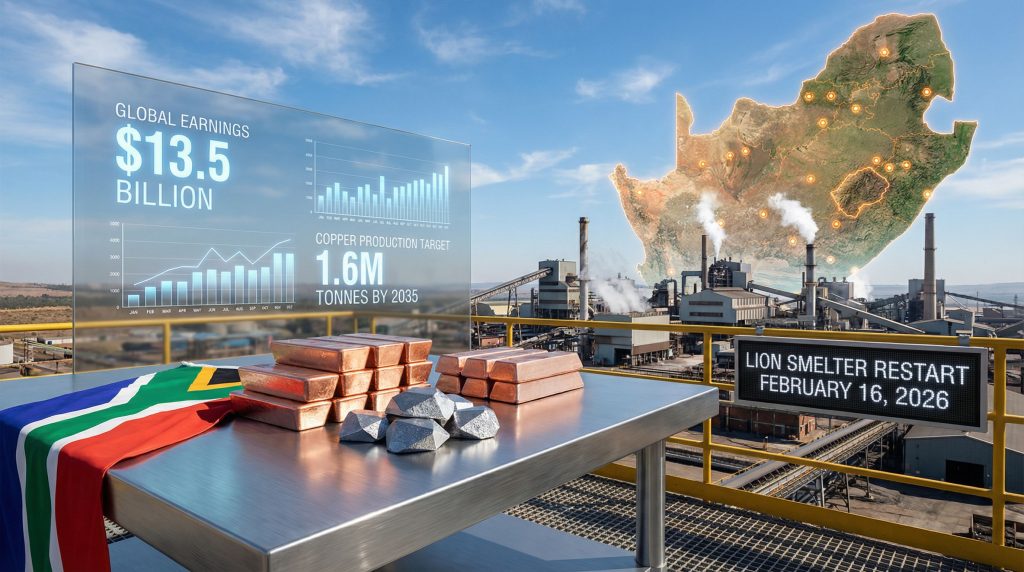
Glencore South Africa investment strategies reflect calculated positioning within the continent's most developed mining jurisdiction. The company's diversified portfolio spans ferrochrome, coal, and copper assets, positioning it strategically within an economy that processed $13.5 billion in global earnings during 2025. Furthermore, this demonstrates robust cash generation capabilities despite challenging market conditions.
The mining giant's South African footprint includes three ferrochrome smelting facilities and integrated coal operations. This creates operational synergies that support the company's broader copper production targets. This geographic concentration allows Glencore to leverage established infrastructure networks while maintaining exposure to multiple commodity price cycles.
Operational Performance Metrics
| Performance Indicator | 2025 Achievement | Strategic Significance |
|---|---|---|
| Global Cash Generation | $7 billion annualized | Investment capacity maintenance |
| Production Guidance | Met for second consecutive year | Operational reliability demonstration |
| Copper Growth Target | 1.6M tonnes by 2035 | Long-term expansion commitment |
| DRC Capacity Addition | 300,000 tonnes/year | Regional diversification strategy |
South Africa's established mining infrastructure provides competitive advantages through skilled workforce availability. Additionally, transportation networks and regulatory frameworks developed over decades create operational efficiencies. These factors support sustained profitability despite global cost pressures affecting mining industry innovation.
When big ASX news breaks, our subscribers know first
Energy Economics and Industrial Competitiveness
Electricity pricing represents the most critical factor determining ferrochrome production viability in South Africa. Glencore's Lion Smelter restart on February 16, 2026, followed an interim tariff approval of 87.74c/kWh for twelve months. Consequently, this enabled 50% capacity operations with full capacity targeted for March 31, 2026.
The company requires a sustainable long-term tariff of 62c/kWh across all three smelter operations. This pricing threshold reflects the energy-intensive nature of ferrochrome production. However, electricity typically represents 60-65% of total production costs, compared to 25-30% for labour and materials.
Ferrochrome Smelter Recovery Timeline
Lion Smelter Operational Restart:
- Interim tariff secured: 87.74c/kWh (12-month period)
- First production achieved: February 16, 2026
- Current capacity utilisation: 50%
- Full capacity timeline: March 31, 2026
- Long-term tariff requirement: 62c/kWh
Boshoek and Wonderkop Facilities:
- Awaiting similar interim tariff arrangements
- Technology investment evaluations underway
- Renewable energy procurement options under assessment
- Operational restart contingent on competitive electricity pricing
The electricity tariff negotiations demonstrate the intersection between industrial policy and Glencore South Africa investment decisions. Moreover, energy pricing competitiveness directly influences the country's ability to maintain its position in global ferrochrome markets. This situation aligns with broader energy transition security considerations affecting industrial operations.
Government Relations and Regulatory Environment
Mining executives frequently emphasise the importance of constructive government engagement in sustaining large-scale industrial operations. According to Mining Weekly, Glencore's leadership has characterised South African government interactions as notably positive. In fact, they cite receptiveness to industry concerns and problem-solving orientation in policy discussions.
The company's engagement with South African authorities extends beyond ferrochrome operations. Furthermore, it includes coal business challenges and Astron Energy integration complexities. This multi-sector dialogue demonstrates the breadth of regulatory coordination required for diversified mining operations.
How Does Regulatory Framework Support Operations?
Government Response Framework:
- Technical competency in industry negotiations
- Escalation mechanisms for complex operational issues
- Multi-stakeholder coordination across regulatory agencies
- Problem-solving orientation rather than bureaucratic delays
Challenge Areas Requiring Government Coordination:
- Electricity tariff structures for energy-intensive industries
- Coal sector operational and environmental compliance
- Energy business integration and strategic planning
- Infrastructure development and maintenance priorities
The National Energy Regulator of South Africa's approval of interim electricity tariffs demonstrates functional regulatory mechanisms. Additionally, these mechanisms respond to industry needs within defined timeframes. This regulatory responsiveness contrasts with experiences in jurisdictions where policy implementation delays create operational uncertainties.
Technology Investment and Operational Optimization
Advanced smelting technologies present opportunities for electricity consumption reduction and environmental performance improvement. Glencore's commitment to technology evaluation reflects broader trends toward data-driven operations and cost structure improvements through innovation adoption.
The company maintains dedicated teams focused on identifying technologies capable of reducing operational costs. For instance, these efforts encompass both traditional process improvements and emerging technologies that could transform ferrochrome manufacturing economics.
What Are the Innovation Investment Priorities?
Process Efficiency Enhancement:
- Advanced smelting technology implementation
- Energy recovery and recycling systems
- Process automation and optimisation software
- Waste heat utilisation mechanisms
Alternative Energy Integration:
- Private renewable energy power purchase agreements
- On-site generation capacity development
- Grid stability and reliability improvements
- Energy storage system implementation
Technology investment decisions depend on securing long-term competitive electricity tariffs that justify capital expenditure commitments. However, the sequencing of tariff agreements followed by technology investments demonstrates strategic planning approaches. These minimise financial risk while maximising operational improvement potential.
Copper Strategy and Regional Expansion
Glencore South Africa investment in copper aligns with the company's 1.6 million tonnes annual copper production target by 2035. The recent Democratic Republic of Congo land access agreement adding 300,000 tonnes per year capacity demonstrates regional expansion priorities. Consequently, this complements existing South African assets within a broader portfolio optimisation strategy.
Copper demand growth patterns driven by energy transition requirements create long-term expansion opportunities. Furthermore, established producers with operational expertise in complex regulatory environments benefit significantly. South Africa's position within this growth trajectory reflects both existing asset optimisation potential and regional hub development possibilities.
Global Copper Production Framework
Production Expansion Components:
- South African asset optimisation and expansion
- DRC greenfield development (300,000 tonnes/year)
- Additional regional opportunities under evaluation
- Capital efficiency maximisation across all expansion projects
Market Positioning Advantages:
- Established operational infrastructure and expertise
- Regional processing and logistics hub potential
- Skilled workforce and technical capabilities
- Transportation networks for export market access
The company's copper-focused growth strategy capitalises on anticipated demand increases while leveraging existing operational capabilities. In addition, this approach minimises greenfield development risks while maximising returns from established asset bases.
Global Market Dynamics and Competitive Positioning
Ferrochrome market competitiveness depends on production cost structures relative to global suppliers. Moreover, South African producers must maintain cost competitiveness while navigating local regulatory requirements. This challenge intensifies as global supply chains face tariff economic impact uncertainties.
Global ferrochrome demand patterns reflect stainless steel production trends concentrated in Asia. However, growing regional demand in other markets creates opportunities for cost-competitive producers. This geographic distribution enables serving specific market segments while maintaining operational flexibility.
Market Competition Analysis
Cost Structure Competitiveness:
- Electricity costs: 60-65% of production expenses
- Labour efficiency and productivity metrics
- Transportation and logistics optimisation
- Raw material sourcing and processing costs
Global Supply Chain Factors:
- Chinese production capacity and export patterns
- Indonesian nickel pig iron substitution effects
- European stainless steel demand fluctuations
- Regional trade policy and tariff impacts
Currency fluctuations affect South African mining competitiveness through both cost structure impacts and revenue realisation. Furthermore, the rand's exchange rate movements create operational flexibility opportunities while requiring active financial risk management strategies.
The next major ASX story will hit our subscribers first
Investment Scenarios and Strategic Planning
Multiple scenario pathways could influence Glencore South Africa investment trajectory. These range from accelerated energy transition adoption to global supply chain reconfiguration trends. Consequently, strategic planning must accommodate uncertainty while maintaining operational flexibility across different market conditions.
Energy Transition Acceleration Scenario
Potential Development Pathways:
- Increased renewable energy adoption across industrial sectors
- Carbon pricing implementation affecting production economics
- Green steel demand growth creating premium markets
- Technology investment acceleration driven by environmental requirements
Investment Implications:
- Enhanced focus on renewable energy procurement
- Process technology upgrades for environmental compliance
- Supply chain positioning for green industrial markets
- Operational efficiency improvements reducing carbon intensity
Supply Chain Regionalisation Scenario
Market Structure Changes:
- Reduced dependence on Chinese manufacturing and processing
- African industrial development creating regional demand
- Infrastructure investment supporting continental integration
- Regional processing hub development opportunities
Strategic Responses:
- Increased focus on African market development
- Infrastructure investment supporting regional connectivity
- Partnership development with local industrial consumers
- Expansion of processing capabilities serving regional markets
Financial Performance and Shareholder Value
Glencore's financial performance demonstrates the company's ability to generate $7 billion annualized free cash flow at current commodity prices. This financial capacity provides substantial flexibility for strategic investments and shareholder returns. Additionally, it enables both operational expansion and technology investment while maintaining dividend commitments.
Capital allocation priorities reflect the company's copper-focused growth strategy while maintaining diversified commodity exposure. Furthermore, investment decisions balance growth opportunities with operational efficiency improvements and risk management considerations.
Investment Priority Framework
Primary Capital Deployment:
- Copper growth projects supporting 2035 production targets
- Operational efficiency improvements reducing cost structures
- Technology innovation enhancing competitive positioning
- Infrastructure development supporting regional expansion
Risk Management Considerations:
- Currency hedging strategies for international operations
- Commodity price volatility mitigation through diversification
- Operational disruption contingency planning and insurance
- Regulatory change adaptation and compliance investment
Financial performance metrics demonstrate Glencore's ability to generate consistent returns across commodity cycles. Moreover, this financial strength supports long-term strategic planning and operational expansion in complex mining jurisdictions while maintaining investment capacity for growth opportunities.
Disclaimer: This analysis is based on publicly available information and industry reports. Mining operations involve significant risks including commodity price volatility, operational disruptions, and regulatory changes. Investment decisions should consider comprehensive due diligence and professional financial advice.
Looking to Capitalise on Africa's Mining Opportunities?
Discovery Alert's proprietary Discovery IQ model delivers real-time notifications on significant ASX mineral discoveries, empowering subscribers to identify actionable opportunities across diverse commodity sectors including copper, coal, and critical minerals. Begin your 14-day free trial today at Discovery Alert and gain the market-leading advantage needed to position yourself ahead of major mining developments.