June 5, 2026
Strategic Chokepoint Vulnerabilities Drive Unprecedented Market Stress
Energy markets operate through interconnected supply networks where single failure points can trigger cascading disruptions across entire regions. The Persian Gulf's strategic position in global petroleum flows exemplifies this vulnerability, where maritime transport dependencies create systemic risks that traditional risk models struggle to quantify. When critical infrastructure faces sustained damage, the resulting supply constraints often exceed historical precedent, forcing market participants to navigate uncharted territory in price discovery and supply allocation mechanisms.
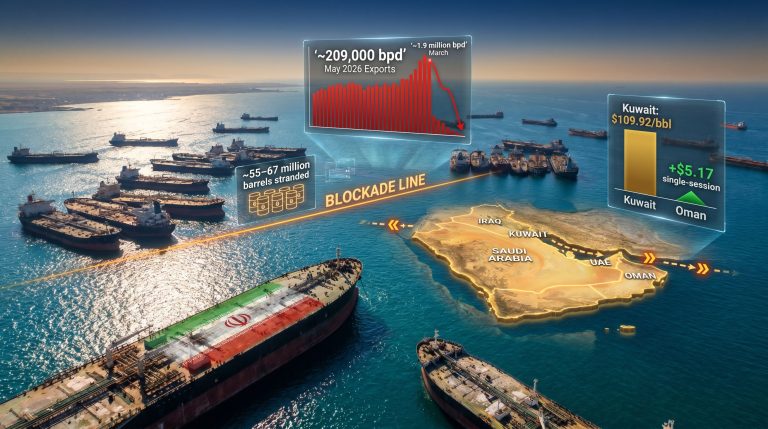
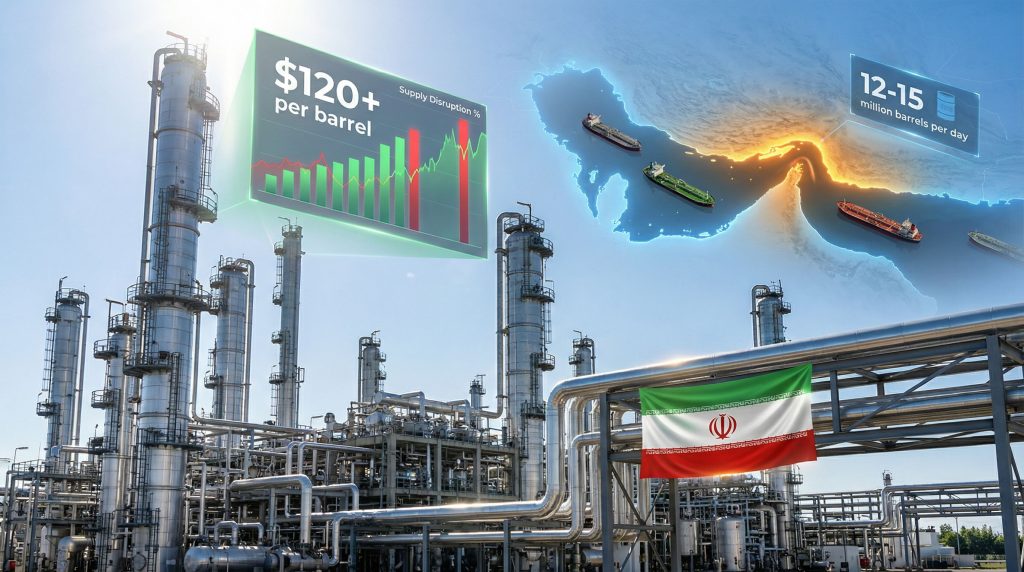
The current crisis represents a convergence of geopolitical escalation with physical infrastructure destruction that has effectively removed 12 to 15 million barrels per day from global markets. This disruption magnitude surpasses historical benchmarks, with the Strait of Hormuz closure since February's end creating the largest recorded supply shock in energy market history. Furthermore, the Iran war impact on oil production demonstrates how geopolitical conflicts can fundamentally reshape global energy supply dynamics. Unlike previous disruptions that affected individual producers or specific regions, this crisis simultaneously impacts multiple OPEC+ members who collectively represent the world's primary spare capacity reserves.
When big ASX news breaks, our subscribers know first
Infrastructure Damage Assessment Reveals Systemic Vulnerabilities
The scale of physical destruction across Persian Gulf facilities extends beyond simple blockade effects into comprehensive infrastructure degradation requiring extensive reconstruction timelines. Gulf officials estimate months of restoration work would be necessary even under optimistic scenarios of immediate conflict cessation and strait reopening. This assessment reflects the technical complexity of petroleum infrastructure recovery, where safety certifications, equipment replacement, and workforce requalification create sequential bottlenecks independent of political resolutions.
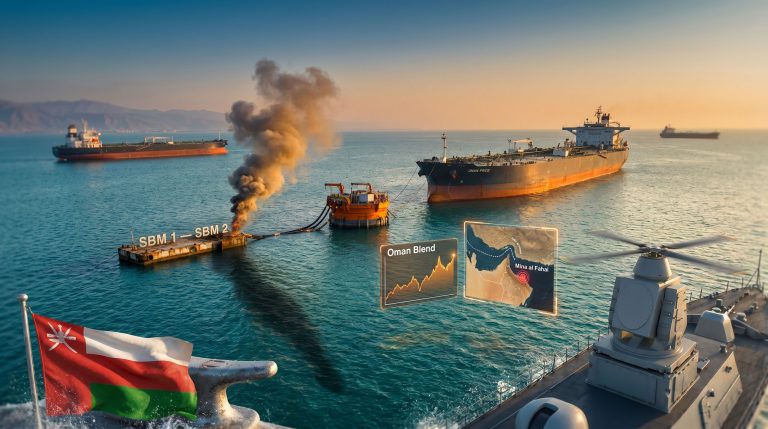
Missile and drone attacks have inflicted severe damage across the region's energy infrastructure, targeting refineries, export terminals, and pipeline networks that form the backbone of global supply chains. The affected facilities include critical components of Saudi Arabian operations, UAE export terminals, Kuwait's pipeline infrastructure, and Iraqi production complexes. These installations typically require specialised engineering evaluations before resuming operations, as pressure vessels, distillation columns, and export loading systems must undergo comprehensive safety assessments following explosive damage.
The domino effect extends beyond primary production facilities into supporting infrastructure including port operations, storage facilities, and transportation networks. Maritime security disruptions have rendered traditional shipping routes inoperable, forcing petroleum products through alternative channels with significantly reduced capacity. This infrastructure interdependency means that even partial facility restoration cannot restore full production capability without corresponding improvements in logistics and transport infrastructure.
OPEC+ Production Response Highlights Capacity Constraints
The organisation's March 1, 2026 meeting approved a modest 206,000 barrels per day increase for April implementation, representing less than 1.4 percent of the estimated 12-15 million barrel daily disruption. This marginal adjustment underscores the fundamental mismatch between theoretical quota mechanisms and actual production capabilities when physical infrastructure becomes compromised. However, OPEC's theoretical oil output debates highlight the organisation's struggle to respond effectively to unprecedented supply disruptions.
Traditional spare capacity models relied on Saudi Arabia, the UAE, Kuwait, and Iraq as the primary sources of production flexibility within OPEC+. These four members possessed significant capability to increase output even before the conflict commenced, but current circumstances have rendered this capacity inaccessible due to infrastructure damage and transport route closure. Consequently, this creates a paradox where quota increases become signalling mechanisms rather than operational commitments.
Key OPEC+ Production Constraints:
• Saudi Arabia: High theoretical spare capacity severely constrained by facility damage and export route disruption
• UAE: Port facilities experiencing significant operational limitations affecting loading capabilities
• Kuwait: Critical pipeline infrastructure damage preventing normal export operations
• Iraq: Near-zero export capacity due to extensive infrastructure damage and security concerns
Other OPEC+ members face separate constraints, with Russia unable to increase output due to Western sanctions and ongoing infrastructure challenges from the Ukraine conflict. This combination of factors has effectively eliminated the organisation's traditional supply response mechanisms during a period of unprecedented demand for additional capacity.
Price Discovery Under Extreme Market Stress
Crude oil prices have reached a four-year high approaching $120 per barrel, reflecting market participants' assessment of supply scarcity and infrastructure recovery timelines. JPMorgan's analysis suggests prices could spike above $150 per barrel if Strait of Hormuz disruptions persist into mid-May 2026, which would represent an all-time high for crude oil pricing. This scenario modelling indicates that current market pricing incorporates expectations of relatively rapid resolution within the next three to four weeks.
The $120-150 price range represents a critical zone where demand destruction mechanisms typically activate substantially across multiple economic sectors. At these price levels, energy-intensive manufacturing operations face margin pressures that can trigger production cutbacks, while transportation costs escalate sufficiently to impact consumer behaviour and industrial logistics planning. Moreover, the psychological barriers at these price points often accelerate market volatility as traders position for either breakthrough above historical records or demand-driven price corrections.
Price Discovery Mechanisms Under Crisis Conditions:
• Physical Supply Constraints: Actual barrel availability driving spot market premiums
• Financial Market Positioning: Speculative positioning amplifying price movements
• Demand Destruction Thresholds: Economic sensitivity creating price ceilings through consumption reduction
The current pricing environment reflects three overlapping dynamics where traditional supply-demand analysis becomes complicated by geopolitical risk premiums and infrastructure uncertainty. Unlike typical market corrections driven by economic fundamentals, the present situation requires market participants to price scenarios involving both conflict resolution timelines and technical recovery capabilities.
Infrastructure Recovery Timeline Modelling
Engineering assessments of petroleum infrastructure recovery involve multiple sequential phases that cannot be compressed regardless of political urgency or financial resources. The restoration process begins with safety evaluation and explosive ordinance removal, followed by structural damage assessment, equipment replacement procurement, installation and testing, and finally certification and regulatory approval. Each phase typically requires weeks to months depending on damage severity and component availability.
Critical Recovery Phase Analysis:
• Phase 1: Safety assessment and site clearance (2-4 weeks minimum)
• Phase 2: Structural and mechanical damage evaluation (4-6 weeks)
• Phase 3: Equipment replacement procurement (8-16 weeks depending on component complexity)
• Phase 4: Installation, testing, and commissioning (6-12 weeks)
• Phase 5: Certification and regulatory approval (2-6 weeks)
Workforce availability represents an additional constraint as petroleum engineering personnel require specialised training and safety certifications before operating restored facilities. The regional workforce disruption caused by the conflict affects not only immediate personnel availability but also the broader support infrastructure including contractors, maintenance specialists, and safety inspection teams required for comprehensive facility restoration.
Equipment procurement presents particular challenges in 2026 supply chains, where specialised petroleum infrastructure components often require extended manufacturing lead times. Critical items such as heat exchangers, distillation column internals, and high-pressure pumping systems cannot be sourced rapidly from standard industrial inventories, requiring custom manufacturing that adds months to recovery timelines regardless of financial incentives.
What Are the Key Bottlenecks in Infrastructure Recovery?
The most significant bottlenecks in petroleum infrastructure recovery stem from specialised equipment procurement and safety certification requirements. Unlike conventional industrial repairs, petroleum facilities require components manufactured to precise specifications with extensive testing and certification protocols. In addition, these supply chain vulnerabilities expose critical weaknesses in global industrial networks when dealing with simultaneous disruptions across multiple facilities.
Alternative Supply Route Development
The closure of traditional Persian Gulf export routes has accelerated interest in alternative transportation mechanisms, though these options face significant capacity and timeline constraints. Overland pipeline routes through Iraq and Turkey offer theoretical alternatives, but current capacity represents a fraction of disrupted maritime transport volumes. These pipeline systems require substantial expansion and security enhancements before handling meaningful diversions from traditional sea routes.
Alternative maritime corridors through the Red Sea and Suez Canal provide some relief but cannot accommodate the full volume of disrupted Persian Gulf exports. The logistical complexity of rerouting large-scale petroleum movements involves not only transportation capacity but also terminal infrastructure, storage facilities, and distribution networks designed around specific flow patterns that cannot be rapidly reconfigured.
Emergency Response Mechanisms:
• Strategic Reserve Deployment: Government-controlled petroleum stocks released to offset supply disruptions
• Demand Management Programmes: Industrial consumption reduction through emergency protocols
• Alternative Source Activation: Non-Gulf producers increasing output where technically feasible
The development timeline for meaningful alternative route capacity extends well beyond the immediate crisis timeframe, requiring infrastructure investments and international coordination agreements that typically involve multi-year planning and construction cycles. While these initiatives may provide long-term supply security benefits, they offer limited relief for current disruption management.
The next major ASX story will hit our subscribers first
Manufacturing Sector Vulnerability Assessment
Energy-intensive manufacturing industries face particularly acute exposure to sustained high oil prices, with petrochemical production, steel manufacturing, and aluminium smelting operations experiencing direct cost pressures at $120+ per barrel price levels. These sectors often operate with relatively thin margins that become unsustainable when energy input costs increase substantially, forcing difficult decisions between production curtailment and accepting losses.
Regional manufacturing competitiveness shifts as energy costs vary geographically based on local supply access and transportation networks. Manufacturing centres with better access to alternative energy sources or strategic reserve releases maintain cost advantages over regions more dependent on Persian Gulf supply routes. This creates temporary but potentially significant changes in global manufacturing competitiveness that can influence longer-term investment and production location decisions.
Supply Chain Cascading Effects:
• Primary Manufacturing: Direct energy input cost escalation affecting production economics
• Secondary Processing: Feedstock cost increases from energy-intensive primary industries
• Transportation Networks: Logistics cost escalation throughout distribution systems
• Consumer Products: Ultimate price transmission to end-user markets
The interconnected nature of industrial supply chains means that energy cost escalation affects not only direct energy consumers but also downstream industries dependent on energy-intensive inputs. Chemical feedstocks, refined metals, and transportation services all experience cost pressures that propagate through manufacturing networks, creating broad-based inflationary pressures across multiple economic sectors.
How Do Energy Price Shocks Affect Global Trade?
Energy price shocks fundamentally alter global trade patterns by reshaping transportation economics and manufacturing competitiveness. Furthermore, understanding the global trade impact of energy disruptions reveals how petroleum market instability can cascade through international commercial relationships. Countries with domestic energy resources gain temporary competitive advantages, whilst those dependent on imports face increased production costs and potential trade balance deterioration.
Financial Market Adaptation to New Risk Paradigms
Energy commodity markets have experienced fundamental shifts in trading patterns as market participants adjust to unprecedented supply disruption scenarios. Traditional hedging strategies based on historical volatility patterns provide inadequate protection against current price movements, forcing commercial users and financial traders to develop new risk management approaches for extreme scenarios. Consequently, the financial market adaptation process accelerates as institutions recognise the limitations of conventional risk models during systemic disruptions.
The options market for energy commodities reflects heightened volatility expectations with implied volatility indices reaching multi-year highs. This elevated volatility pricing indicates market participants view current conditions as likely to persist longer than initially anticipated, with significant uncertainty regarding both conflict resolution and infrastructure recovery timelines.
Market Adaptation Mechanisms:
• Extended Hedging Horizons: Longer-term contract positions to manage prolonged disruption risk
• Alternative Contract Structures: Non-standard derivatives addressing specific supply disruption scenarios
• Cross-Commodity Hedging: Using related energy products to manage crude oil exposure
• Physical Storage Arbitrage: Strategic inventory management for supply security
Investment flows have redirected toward energy security infrastructure projects as institutional investors recognise the strategic value of supply diversification and alternative energy sources. This capital reallocation accelerates development timelines for renewable energy projects and alternative fuel technologies that previously competed primarily on economic rather than security grounds.
Long-Term Structural Energy Architecture Changes
The current crisis catalyses fundamental reconsideration of global energy supply architecture, with consuming nations reassessing import dependency risks and supply diversification strategies. Strategic petroleum reserve policies face scrutiny regarding optimal stock levels and rapid deployment capabilities, with multiple countries announcing reserve expansion programmes and international cooperation frameworks for emergency sharing.
Energy Security Policy Recalibration:
• Reserve Level Optimisation: Reassessment of strategic stock requirements based on disruption scenarios
• Deployment Mechanism Enhancement: Faster release procedures and distribution capabilities
• International Coordination: Multilateral frameworks for reserve sharing and emergency response
• Alternative Energy Acceleration: Policy support for domestic energy source development
The experience of managing prolonged supply disruption influences longer-term energy transition planning, with renewable energy and energy efficiency programmes receiving enhanced political and financial support as national security priorities rather than solely environmental initiatives. This security-driven motivation for energy transition may accelerate deployment timelines and increase investment levels beyond previous climate-focused policies.
Supply diversification imperatives extend beyond crude oil to encompass refined products, petrochemicals, and energy equipment supply chains that also demonstrate geographic concentration vulnerabilities. In addition, comprehensive energy security strategies increasingly address these interconnected dependencies through domestic manufacturing capabilities and alternative supplier development programmes.
Will This Crisis Accelerate Energy Transition?
The current supply crisis significantly accelerates energy transition initiatives as governments prioritise energy security alongside environmental objectives. However, the timeline for meaningful alternative energy deployment remains constrained by infrastructure development requirements and technological limitations. Moreover, analysis of energy crisis implications suggests that whilst crisis periods historically drive innovation, structural changes require sustained policy commitment beyond immediate disruption periods.
Iran War Impact on Oil Production: Critical Market Outlook
The Iran war impact on oil production represents a paradigm shift in global energy security planning, where traditional supply response mechanisms prove inadequate for managing simultaneous infrastructure destruction and transport route closure. Market participants must navigate unprecedented scenarios where both production capacity and distribution networks face coordinated disruption requiring fundamentally different analytical frameworks.
Recovery scenarios depend critically on both conflict resolution and technical reconstruction capabilities, with engineering constraints potentially extending disruption periods well beyond political settlement timelines. The intersection of geopolitical instability with infrastructure vulnerability creates risk scenarios that challenge conventional energy security planning and require enhanced preparation for extended supply disruption management.
Scenario Planning Considerations:
• Short-term (3-month): Continued supply disruption with limited production recovery
• Medium-term (6-12 month): Gradual infrastructure restoration with partial capacity return
• Long-term (12+ month): Comprehensive reconstruction with enhanced supply security measures
The crisis demonstrates the critical importance of energy infrastructure resilience and supply chain diversification in maintaining economic stability during geopolitical disruptions. Lessons learned from current supply management challenges will likely influence energy policy and investment priorities for years beyond immediate crisis resolution. Furthermore, this experience with Iran war impact on oil production highlights fundamental vulnerabilities in global energy architecture that require comprehensive strategic responses rather than temporary crisis management measures.
How Long Could Supply Disruptions Continue?
Supply disruption duration depends on multiple interconnected factors beyond conflict resolution timelines. Technical infrastructure recovery requirements suggest minimum restoration periods of 6-12 months even under optimistic scenarios of immediate conflict cessation. Moreover, the complexity of petroleum facility reconstruction means that Iran war impact on oil production could persist significantly longer than political settlement agreements might suggest.
Nevertheless, the Iran war impact on oil production serves as a critical stress test for global energy systems, revealing both vulnerabilities and adaptive capabilities that will shape future energy security planning. These lessons extend beyond immediate supply management to encompass fundamental questions about energy system resilience, international cooperation mechanisms, and the balance between economic efficiency and security preparedness in global energy infrastructure development.
Investment Disclaimer: This analysis discusses oil market dynamics and geopolitical events for educational purposes. Oil and energy commodity investments carry substantial risks including extreme price volatility, geopolitical instability, and supply disruption scenarios. Market conditions can change rapidly, and past performance does not guarantee future results. Readers should conduct independent research and consider professional financial advice before making investment decisions related to energy commodities or related securities.
Ready to Capitalise on Energy Market Volatility?
Discovery Alert's proprietary Discovery IQ model delivers real-time alerts on significant ASX mineral discoveries, empowering subscribers to identify actionable opportunities in energy and critical minerals sectors during times of unprecedented market volatility. Begin your 14-day free trial today and position yourself ahead of the market with instant notifications that turn complex commodity market dynamics into clear investment insights.