June 15, 2026
Strategic Energy Diversification in an Era of Supply Chain Volatility
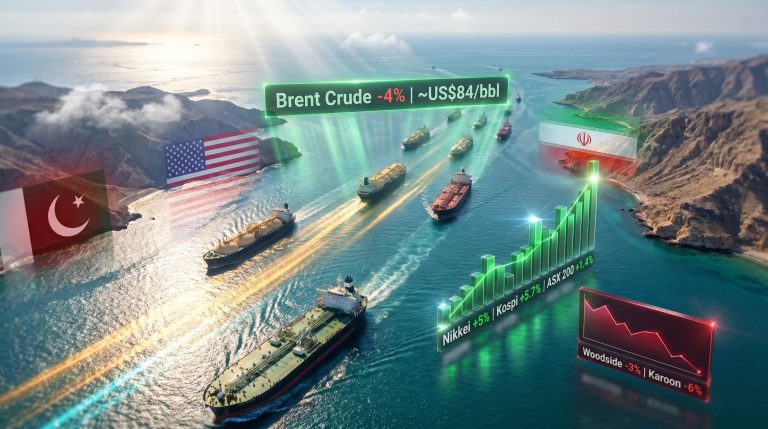
Global energy markets face unprecedented transformation as traditional supply chains encounter mounting pressure from geopolitical disruptions and infrastructure constraints. Recent developments in West Asia have highlighted the vulnerability of concentrated energy import pathways, with the Strait of Hormuz experiencing significant shipping disruptions affecting nearly 90% of certain energy flows to major consuming nations. This crisis environment accelerates strategic planning for energy security strategies through diversified sourcing and alternative technologies.
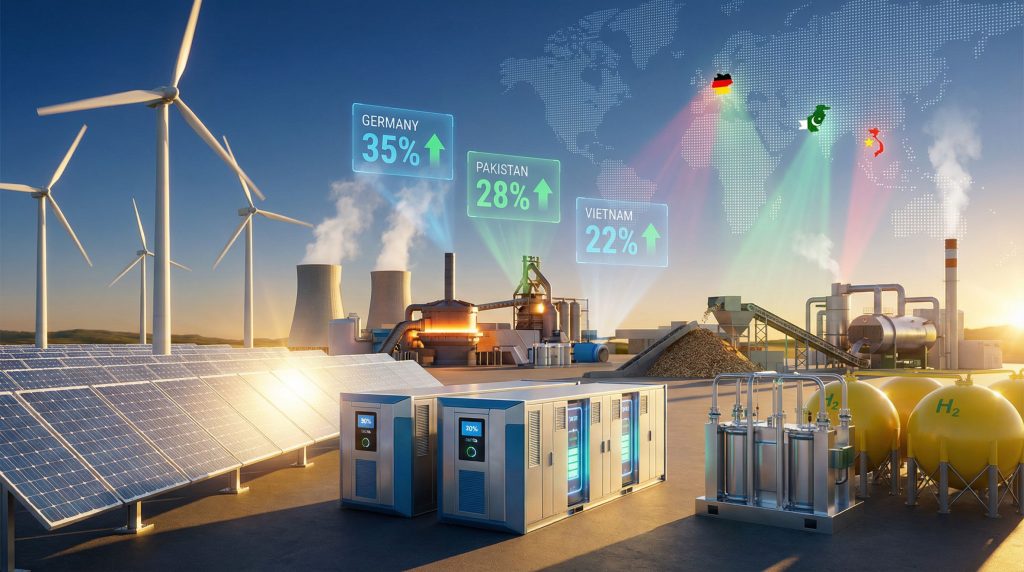
The current market dynamics create urgency around LNG imports alternatives that extend beyond traditional supplier diversification. While alternative sourcing from countries like Australia (22.1% of global LNG exports) and the United States (14.1% of global LNG exports) provides immediate relief, structural transformation requires comprehensive evaluation of renewable energy systems, industrial process modifications, and emerging technologies like green hydrogen production.
When big ASX news breaks, our subscribers know first
Renewable Energy Infrastructure Versus Traditional LNG Systems
Economic Performance Analysis of Battery-Integrated Renewables
Renewable energy systems paired with storage technologies present increasingly competitive economics against LNG-fired power generation, though specific cost comparisons require careful analysis given volatile fossil fuel pricing. Furthermore, with oil price volatility surging past $110 per barrel in early 2026, the economic advantage of renewables with stable long-term costs becomes more pronounced.
Key performance factors include:
• Capital expenditure timing: Renewable systems require substantial upfront investment but offer predictable operating costs
• Geographic deployment flexibility: Solar and wind resources distribute more evenly than LNG terminal locations
• Infrastructure development periods: Battery storage systems can achieve faster deployment timelines than LNG import terminals
• Grid integration requirements: Both renewable and LNG systems need compatible electrical infrastructure for effective operation
The transition involves technical complexity similar to LNG diversification challenges. Just as natural gas from alternative suppliers tends to be propane-heavy and requires infrastructure modifications for domestic requirements, renewable energy integration demands grid upgrades and storage capacity additions to maintain system reliability.
Extended Duration Storage Technology Deployment
Advanced energy storage technologies address intermittency concerns that traditionally favoured consistent LNG-fired generation. However, battery recycling innovations are transforming the sustainability profile of storage systems. Compressed air energy storage (A-CAES) systems provide 48-hour duration capabilities, while iron-air battery technologies extend storage duration to 150 hours for multi-day weather events.
Storage technology comparison:
| Technology | Duration | Application | Deployment Status |
|---|---|---|---|
| Lithium-ion | 4 hours | Peak shaving | Commercial scale |
| A-CAES | 48 hours | Multi-day backup | Pilot projects |
| Iron-air | 150 hours | Seasonal storage | Development phase |
| Green hydrogen turbines | Variable | Long-term storage | Demonstration stage |
These technologies require accompanying infrastructure development, similar to the challenge noted in energy diversification reports where any import source diversification must be accompanied by necessary domestic infrastructure development.
Industrial Process Heat Transformation Pathways
Bioenergy Solutions for Manufacturing Operations
Industrial sectors consuming LNG for process heat face multiple substitution pathways, with bioenergy representing an immediately deployable alternative. Wood residue and agricultural waste conversion systems offer cost advantages in regions with abundant biomass resources, though specific pricing requires verification against current market conditions.
Bioenergy implementation considerations:
• Supply chain development: Establishing reliable biomass sourcing networks
• Equipment retrofitting: Converting existing gas-fired boilers to biomass systems
• Quality consistency: Maintaining industrial process temperature and reliability standards
• Environmental compliance: Meeting emissions requirements for biomass combustion
Electrification Technologies for Heavy Industry
Direct electrification of industrial processes eliminates LNG dependency while requiring significant infrastructure adaptation. In addition, electric arc furnaces in steel production, heat pump systems in cement manufacturing, and electric steam generation in chemical processing represent established technologies with expanding deployment.
Critical electrification factors:
Steel Production: Electric arc furnaces require reliable electricity supply and compatible scrap metal inputs
Cement Manufacturing: High-temperature requirements challenge current heat pump technology limits
Chemical Processing: Electric steam generation must meet precise quality specifications for process applications
The workforce transition implications mirror broader energy sector transformation challenges, requiring retraining programmes for workers transitioning from gas-based to electric processes.
Green Hydrogen Economics and Industrial Integration
Production Cost Structure and Competitiveness Timeline
Green hydrogen production faces economic challenges due to high electricity requirements, typically around 50-55 kWh per kilogram of hydrogen using current electrolyser technology. This energy intensity creates a significant premium over LNG at current pricing, though the gap narrows with declining renewable electricity costs and improving electrolyser efficiency.
Cost reduction drivers through 2030:
• Electrolyser manufacturing scale: Mass production reducing equipment costs
• Renewable electricity pricing: Continued decline in solar and wind generation costs
• Process efficiency improvements: Advanced electrolyser technologies reducing energy requirements
• Regional advantages: Countries with abundant low-cost renewable resources gaining competitiveness
Industrial Application Scenarios for Hydrogen Integration
Green hydrogen serves as both an energy carrier and industrial feedstock, providing multiple pathways for LNG substitution. Ammonia synthesis for fertiliser production, methanol production for chemical feedstocks, and hydrogen-based direct reduction in steel manufacturing represent high-volume applications driving demand.
Priority industrial applications:
-
Ammonia synthesis: Direct hydrogen substitution in existing Haber-Bosch processes
-
Steel production: Hydrogen-based direct reduction replacing coke and natural gas
-
Refining operations: Hydrogen for hydrocracking and desulfurisation processes
-
Chemical manufacturing: Methanol and other hydrogen-derivative production
Supply Chain Disruption Acceleration Effects
Geopolitical Risk Assessment Framework
Current geopolitical developments demonstrate the vulnerability of concentrated energy import pathways. The effective halt of shipping through critical energy corridors creates immediate pressure for supply diversification while highlighting long-term strategic risks of import dependency.
Risk mitigation strategies include:
• Geographic diversification: Expanding supplier base beyond traditional regions
• Alternative transport routes: Developing pipeline and shipping pathway redundancy
• Strategic reserve expansion: Increasing domestic storage capacity for supply disruptions
• Domestic production capability: Building renewable and alternative energy manufacturing
The economic outlook becomes more uncertain in the wake of geopolitical developments that disrupt key energy and logistics channels, leading to tightening global supply conditions. Consequently, this environment accelerates alternative adoption by demonstrating the strategic value of energy independence.
Infrastructure Adaptation Requirements
Energy diversification requires substantial infrastructure development beyond simple supplier changes. LPG faces particularly acute constraints due to limited substitutability, with around 93% sourced from conflict-affected regions and low refinery yields of only 4-6% of throughput.
Infrastructure development priorities:
Processing Equipment: Modifications to handle propane-heavy gas compositions from alternative suppliers
Distribution Networks: Upgrades for compatibility with varied gas compositions and blend requirements
Storage Capacity: Expansion to reduce import frequency and provide supply security buffers
Rapid Deployment Alternative Technologies
Quick Implementation Pathways
Certain alternative energy technologies offer faster implementation timelines than traditional LNG infrastructure development. For instance, distributed solar systems, battery storage integration, and biogas facility conversions provide near-term solutions while longer-term projects develop.
Implementation timeline framework:
6-18 Month Solutions:
• Solar plus battery microgrids for industrial facilities
• Biomass boiler retrofits in manufacturing plants
• Electric heat pump installations for commercial heating
• Distributed generation systems for critical facilities
2-4 Year Transitions:
• Large-scale wind farms with grid storage integration
• Green hydrogen pilot projects and demonstration facilities
• Industrial electrification programmes
• Regional renewable energy transmission projects
5-10 Year Transformations:
• Comprehensive hydrogen economy development
• Deep industrial electrification across sectors
• Advanced storage technology deployment at scale
• Complete energy import independence strategies
The next major ASX story will hit our subscribers first
Economic Drivers for Alternative Adoption
Cost Structure Transformation Analysis
The economic case for LNG imports alternatives strengthens as renewable energy costs continue declining while fossil fuel prices experience volatility. However, trade war impacts on global supply chains add complexity to investment planning. Current market disruptions demonstrate the risk premium associated with import dependency, making domestic alternatives more attractive despite higher initial investment requirements.
Financial comparison factors:
• Price stability: Renewable systems offer predictable long-term costs versus volatile LNG pricing
• Infrastructure durability: Solar and wind facilities provide 20-25 year operational lifespans
• Operating expense reduction: Minimal fuel costs for renewable systems after construction
• Risk-adjusted returns: Domestic energy sources eliminate geopolitical supply disruption risks
Investment Return Calculation Methodology
Energy alternative investments require comprehensive analysis including capital costs, operating expenses, and risk factors. The payback period analysis must account for fuel cost volatility, infrastructure resilience, and strategic value of energy independence.
Key metrics for evaluation:
| Investment Category | Payback Period | Risk Profile | Strategic Value |
|---|---|---|---|
| Solar + Storage | 7-12 years | Low operational risk | High energy independence |
| Wind + Grid Integration | 8-15 years | Weather dependent | Medium-high strategic value |
| Green Hydrogen | 15-25 years | Technology risk | Very high strategic value |
| Biomass Systems | 5-10 years | Supply chain risk | Medium strategic value |
Regulatory Framework Support Mechanisms
Policy Instruments Accelerating Transition
Regulatory frameworks increasingly support energy diversification through carbon pricing, renewable energy mandates, and import substitution incentives. These policies create economic conditions favouring domestic alternatives over imported fuels, particularly during supply disruption periods.
Policy mechanism categories:
• Carbon pricing systems: Creating cost disadvantages for fossil fuel imports
• Renewable energy standards: Mandating minimum alternative energy percentages
• Import substitution programmes: Supporting domestic energy production capability
• Infrastructure development incentives: Accelerating grid modernisation and storage deployment
International Cooperation Models
Energy transition requires international collaboration on technology transfer, joint development projects, and financial mechanism coordination. Countries with advanced renewable energy sectors provide expertise and equipment while developing nations offer deployment opportunities and resource access.
Cooperation framework elements:
-
Technology transfer agreements: Sharing renewable energy expertise and manufacturing capability
-
Joint development projects: Cross-border renewable energy initiatives and transmission systems
-
Financial mechanism coordination: Multilateral funding for large-scale transition projects
-
Standards harmonisation: Compatible technical requirements for international equipment trade
Implementation Challenges and Constraints
Technical Integration Barriers
Alternative energy scaling faces technical challenges including grid stability requirements, industrial process compatibility, and storage technology limitations. High renewable penetration requires sophisticated grid management systems to maintain reliability standards.
Primary technical constraints:
• Grid stability management: Balancing variable renewable output with consistent demand
• Industrial heat quality: Meeting temperature and reliability requirements for manufacturing processes
• Storage duration limitations: Bridging multi-day renewable generation gaps
• Infrastructure compatibility: Integrating new technologies with existing energy systems
Workforce and Social Transition Considerations
Energy sector transformation creates workforce transition requirements and regional economic impacts. Communities dependent on LNG import infrastructure face employment changes while new renewable energy sectors create different job opportunities.
Social impact management strategies:
Retraining Programmes: Preparing energy sector workers for renewable technology operations
Regional Development: Supporting economic diversification in LNG-dependent areas
Consumer Cost Management: Balancing transition costs with affordability requirements
Future Market Evolution Through 2030
Technology Advancement Trajectory
Alternative energy markets will experience accelerated development through 2030, driven by continued technology cost reductions, capacity expansion, and policy support. Lithium industry innovations are particularly influential in making battery storage more cost-effective and sustainable. Furthermore, green hydrogen approaches cost parity with fossil alternatives.
Development projections:
• Battery cost reduction: Continued 10-15% annual cost improvements through manufacturing scale
• Green hydrogen economics: Approaching fossil fuel parity in regions with abundant renewable resources
• Renewable capacity expansion: Global deployment exceeding 1,000 GW annually by 2030
• Grid integration technology: Advanced management systems enabling higher renewable penetration
Market Structure Transformation
The ongoing conflict in West Asia presents significant challenges but also represents a potential strategic inflection point for energy markets. This situation offers opportunities to advance trade diversification agendas while reducing import dependency across major economies.
Structural changes by 2030:
-
Energy independence metrics: Major economies reducing import dependency below 50%
-
Supply chain localisation: Domestic manufacturing of renewable energy components and systems
-
Investment flow redirection: Capital allocation shifting from LNG infrastructure to alternative technologies
-
Regional energy cooperation: Cross-border renewable energy projects and transmission systems
What Are the Most Viable Short-Term Alternatives?
Short-term LNG imports alternatives focus on immediate deployment capabilities and existing infrastructure compatibility. Renewables paired with battery storage offer the fastest deployment pathway, with utility-scale projects achievable within 12-18 months in optimal conditions.
Immediate deployment options:
• Solar plus battery systems: Rapid installation for peak demand management
• Biomass retrofits: Converting existing gas boilers to biomass fuel systems
• Demand response programmes: Industrial load management to reduce peak gas consumption
• Energy efficiency upgrades: Reducing overall energy requirements through improved systems
How Do Alternative Energy Sources Compare Economically?
Economic comparisons between LNG imports alternatives and traditional gas must account for price volatility and long-term cost trajectories. Natural gas pricing structures demonstrate significant variability based on supply conditions, while renewable energy costs follow predictable decline curves.
Economic comparison framework:
| Energy Source | Capital Cost | Operating Cost | Price Volatility | Strategic Risk |
|---|---|---|---|---|
| LNG Imports | Medium | High | Very High | High |
| Solar + Storage | High | Very Low | Very Low | Low |
| Green Hydrogen | Very High | Medium | Low | Medium |
| Biomass | Medium | Medium | Medium | Medium |
The transformation toward LNG imports alternatives represents a fundamental shift in global energy architecture, accelerated by supply chain disruptions that demonstrate the strategic value of domestic renewable resources. While technical and economic challenges remain, the combination of cost reduction trends, policy support, and geopolitical risks creates compelling conditions for comprehensive energy diversification strategies.
Disclaimer: This analysis includes forward-looking projections and market assessments that involve uncertainty. Energy transition timelines, cost comparisons, and technology deployment schedules depend on multiple factors including policy decisions, technological developments, and market conditions that may differ from current expectations. Readers should conduct independent research and consult qualified professionals before making investment or policy decisions based on this information.
Want to Capitalise on Energy Transition Opportunities?
Discovery Alert identifies significant mineral discoveries across critical energy transition commodities using its proprietary Discovery IQ model, delivering real-time alerts that help investors stay ahead of market-moving announcements. With renewable energy and battery storage driving unprecedented demand for lithium, copper, and rare earth elements, subscribers gain immediate insights into actionable investment opportunities before the broader market responds.