June 17, 2026
Strategic Energy Independence Through Renewable Infrastructure Integration
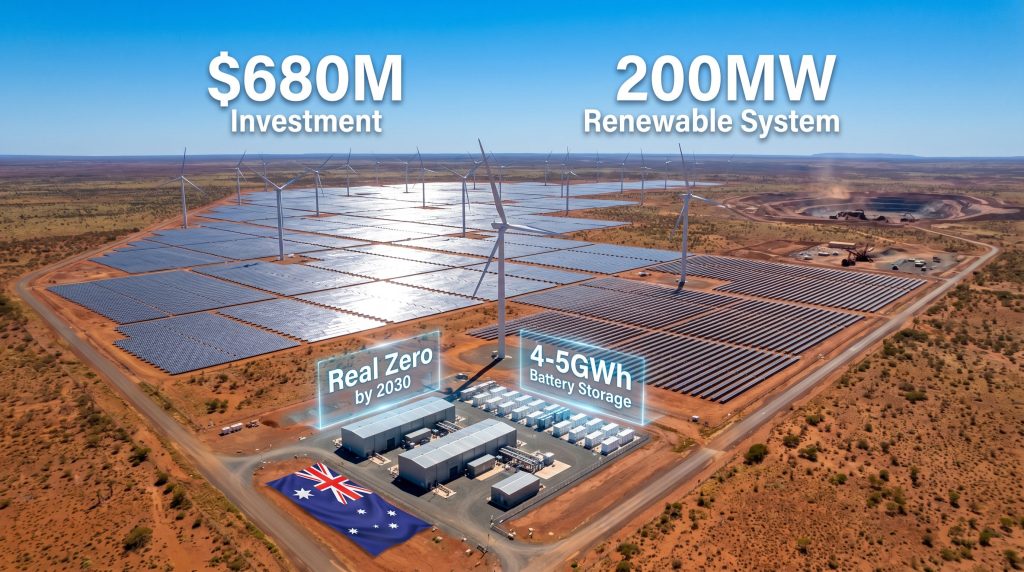
Fortescue's $680 million USD commitment to the Pilbara Green Energy Project represents a fundamental shift in how major industrial operators approach energy procurement and operational control. This Fortescue Pilbara green energy expansion extends beyond the company's existing $6.2 billion decarbonisation framework, targeting 200MW of additional renewable capacity specifically designed for external industrial customers.
The project architecture centers on fully integrated off-grid renewable systems combining solar generation, wind power, and large-scale battery storage to deliver what Fortescue characterizes as energy independence from traditional fossil fuel supply chains. This approach addresses multiple operational challenges simultaneously: cost volatility from external energy markets, supply chain reliability concerns, and long-term carbon reduction requirements.
Furthermore, this development aligns with broader mining industry trends emphasising sustainable operations and technological advancement. The initiative demonstrates how major resource companies are repositioning themselves within evolving market dynamics.
Key infrastructure specifications include:
- 1.2GW solar generation capacity by 2028
- 600MW wind generation capacity
- 4-5GWh battery storage systems for grid stabilisation
- 620 kilometres of transmission infrastructure
- 2028 completion timeline with post-2030 expansion capabilities
Executive leadership positions this investment as addressing instability in global energy markets while pursuing complete operational control over power supply systems. The integrated approach eliminates dependency on external grid connections, creating what industry analysts view as a replicable model for heavy industrial energy independence.
The financial framework leverages capital management strategies developed through Fortescue's existing renewable energy deployments across Pilbara mining operations. This methodology transfer suggests standardised approaches to complex infrastructure development that could accelerate project timelines compared to traditional renewable energy installations.
When big ASX news breaks, our subscribers know first
Technical Architecture Enabling Industrial-Scale Off-Grid Operations
The engineering specifications underlying the Fortescue Pilbara green energy expansion demonstrate sophisticated integration of renewable generation sources with industrial-grade storage systems. Off-grid renewable architectures require fundamentally different design parameters compared to grid-connected installations, particularly regarding power quality, reliability standards, and load management capabilities.
Battery Storage Integration Framework
The 4-5GWh battery capacity serves multiple operational functions beyond simple energy storage. These systems provide:
- Frequency regulation to maintain consistent power quality for industrial equipment
- Load following capabilities to match generation with real-time demand fluctuations
- Black start functionality enabling system restart without external grid support
- Peak shaving services to optimise generation asset utilisation
Industry sources indicate that battery storage systems of this scale typically employ lithium iron phosphate chemistry for industrial applications, though specific technical specifications have not been disclosed. The storage capacity represents approximately 20-25 hours of backup power for a 200MW load, significantly exceeding typical grid-connected installations.
Renewable Generation Coordination
The solar and wind generation components operate through sophisticated forecasting and dispatch systems designed to maximise renewable energy utilisation while maintaining consistent power delivery. Solar generation provides predictable daytime capacity, while wind resources in the Pilbara region typically peak during evening hours, creating complementary generation profiles.
Power conditioning equipment converts variable renewable output into grid-quality electricity suitable for heavy industrial applications including:
- Mining equipment operations requiring consistent voltage and frequency
- Processing facility loads with strict power quality requirements
- Data centre infrastructure demanding uninterrupted power supply
The transmission infrastructure spanning 620 kilometres enables load balancing across multiple generation and consumption sites, creating operational flexibility unavailable in traditional point-to-point power supply arrangements.
Cost efficiency projections focus on eliminating exposure to fossil fuel price volatility while reducing ongoing operational expenses through renewable energy's low marginal costs. However, specific levelised cost of electricity calculations or comparative analysis against traditional energy procurement have not been publicly disclosed.
Integration With Comprehensive Decarbonisation Strategy
The Pilbara Green Energy Project operates within Fortescue's broader Real Zero by 2030 framework, which targets complete elimination of fossil fuel dependency across mining and processing operations. This strategic integration creates operational synergies and capital efficiency through shared infrastructure and coordinated project development.
Green Grid Expansion Timeline
Current deployment schedules indicate accelerated timelines compared to original decarbonisation targets:
| Infrastructure Component | Capacity | Target Completion |
|---|---|---|
| Solar Generation | 1.2GW | 2028 |
| Wind Generation | 600MW | 2028 |
| Battery Storage | 4-5GWh | 2028 |
| Transmission Lines | 620km | 2028 |
| Pilbara Green Energy Project | 200MW | 2028 |
The integration framework enables shared transmission infrastructure, coordinated maintenance schedules, and optimised capital deployment across multiple renewable energy installations. In addition, this approach reduces per-megawatt development costs compared to standalone projects while creating redundancy for critical industrial loads.
Operational Transformation Methodology
Fortescue's renewable integration strategy emphasises elimination of diesel dependency across Pilbara operations through systematic equipment replacement and infrastructure development. This transformation requires coordination between:
- Mining fleet electrification programmes
- Processing facility renewable energy integration
- Transportation infrastructure modifications
- Maintenance facility power supply upgrades
The company applies standardised project management methodologies developed through existing decarbonisation initiatives to guide new renewable infrastructure development. Consequently, this approach includes proven supply chain relationships, established contractor networks, and refined permitting processes that can accelerate project timelines.
Executive leadership indicates that operational experience from existing renewable deployments provides technical validation for expanded applications, reducing technology risks associated with industrial-scale renewable energy integration. This connects directly with broader movements toward electrification decarbonisation across the mining sector.
Market Expansion Through Industrial Energy Services
Fortescue's strategic positioning extends beyond internal energy requirements to address rapidly expanding demand from data centres and other industrial customers requiring reliable renewable power supply. This business model transformation creates new revenue streams while leveraging existing renewable infrastructure investments.
Data Centre Industry Demand Drivers
The data centre sector represents one of the fastest-growing industrial energy consumers globally, with particular emphasis on renewable energy procurement to meet corporate sustainability commitments. Key demand characteristics include:
- 24/7 power requirements demanding consistent baseload capacity
- High reliability standards typically requiring 99.9%+ uptime
- Scalable capacity enabling rapid expansion of computing infrastructure
- Carbon-neutral operations increasingly required by enterprise customers
Fortescue positions its off-grid renewable systems as enabling "fossil fuel free, cheaper and faster" operations compared to traditional grid-connected alternatives, though specific cost comparisons have not been publicly documented.
Industrial Customer Diversification Strategy
The expansion into external energy services creates multiple revenue opportunities:
- Long-term power purchase agreements with industrial customers
- Renewable energy certificates from clean electricity generation
- Grid stabilisation services for regional electricity networks
- Energy storage services providing peak demand management
This diversification strategy transforms renewable infrastructure from operational cost centres into profit-generating assets while creating economies of scale that reduce per-unit energy costs across all applications.
The Pilbara region's strategic location provides access to multiple industrial customers while offering abundant solar and wind resources suitable for large-scale renewable energy development. Geographic advantages include minimal grid congestion, available land for infrastructure development, and proximity to major mining and processing operations.
Moreover, this development supports broader green iron production initiatives, demonstrating how renewable energy infrastructure enables sustainable manufacturing processes across multiple industrial applications.
Stakeholder Collaboration and Development Framework
Large-scale renewable energy projects require coordination with government agencies, traditional land custodians, and local communities to ensure sustainable development practices and regulatory compliance. Fortescue emphasises collaborative approaches that address environmental, cultural, and economic considerations throughout project development.
Government and Regulatory Engagement
The development process involves multiple regulatory agencies overseeing:
- Environmental impact assessments for renewable infrastructure siting
- Grid connection approvals for transmission line development
- Land use permits covering solar and wind generation facilities
- Cultural heritage protections ensuring compliance with indigenous rights
Policy frameworks supporting renewable energy development create favourable conditions for large-scale projects, though specific government support mechanisms or accelerated permitting processes have not been confirmed for this particular initiative.
Traditional Custodian Partnerships
Indigenous engagement protocols ensure that renewable infrastructure development respects cultural values and creates economic opportunities for traditional land owners. These partnerships typically include:
- Cultural heritage assessments identifying significant sites requiring protection
- Employment opportunities in construction and ongoing maintenance operations
- Revenue sharing agreements providing economic benefits to local communities
- Environmental stewardship programmes protecting sensitive ecological areas
The collaborative approach aims to establish long-term relationships that support both renewable energy development and cultural preservation objectives.
Community Economic Development
Renewable infrastructure projects create regional employment opportunities in construction, operations, and maintenance activities. The 620 kilometres of transmission infrastructure and multiple generation facilities require substantial workforce deployment across project timelines.
Local economic benefits include supply chain opportunities for regional businesses, training programmes for specialised renewable energy skills, and ongoing operational employment supporting rural economic development in the Pilbara region.
Competitive Positioning Through Energy Market Independence
The transition to self-supplied renewable energy creates multiple competitive advantages extending beyond simple cost considerations. Energy independence provides operational control, price predictability, and strategic flexibility unavailable through traditional energy procurement arrangements.
Operational Control Benefits
Direct ownership of energy infrastructure enables:
- Demand response optimisation matching power generation with operational requirements
- Maintenance scheduling coordination between energy systems and industrial operations
- Capacity expansion timing aligned with business growth rather than external utility constraints
- Power quality management customised for specific industrial equipment requirements
These capabilities provide operational advantages particularly valuable for heavy industrial applications requiring consistent, high-quality power supply over extended operational periods.
Market Volatility Mitigation
Renewable energy systems with integrated storage create insulation from fossil fuel price fluctuations and electricity market volatility. Fixed capital costs for renewable infrastructure provide predictable energy expenses over 20-25 year asset lifecycles, enabling long-term operational planning and cost forecasting.
The elimination of fuel costs creates favourable economics as renewable technology costs continue declining while fossil fuel expenses remain subject to global market pressures and carbon pricing mechanisms.
Technology Leadership Demonstration
Successful deployment of industrial-scale off-grid renewable systems establishes Fortescue as a technology leader in heavy industry decarbonisation. This positioning creates opportunities for:
- Technology licensing to other mining companies pursuing similar transformations
- Engineering consulting services for renewable infrastructure development
- Equipment supply partnerships with renewable energy manufacturers
- Research collaboration opportunities with technology developers and academic institutions
The demonstration of technical feasibility for fully renewable heavy industrial operations addresses a critical knowledge gap in global decarbonisation efforts, potentially influencing industry-wide adoption of similar approaches. Furthermore, this positions Australia for enhanced green metals leadership in global markets.
The next major ASX story will hit our subscribers first
Regional Development and Economic Transformation
The Fortescue Pilbara green energy expansion contributes to broader regional economic development through infrastructure investment, employment generation, and positioning Western Australia as a renewable energy hub for industrial applications.
Infrastructure Development Catalyst
The $680 million investment creates foundation infrastructure supporting additional renewable energy projects throughout the Pilbara region. Transmission lines, maintenance facilities, and workforce development programmes provide shared resources reducing development costs for subsequent projects.
Regional infrastructure improvements include:
- Electrical transmission networks enabling renewable energy distribution
- Specialised maintenance facilities supporting wind and solar equipment
- Workforce training programmes developing renewable energy technical skills
- Supply chain logistics optimised for renewable technology deployment
These investments create conditions favourable for additional renewable energy development by reducing per-project infrastructure requirements and establishing operational expertise within the region.
Employment and Skills Development
Construction and operational phases generate employment opportunities across multiple skill levels:
Construction Phase (2026-2028)
- Heavy equipment operators for site preparation and foundation work
- Electrical technicians for power system installation
- Construction project managers coordinating complex infrastructure development
- Specialised trades including welding, concrete work, and equipment assembly
Operational Phase (2028+)
- Renewable energy system operators monitoring generation and storage performance
- Maintenance technicians servicing wind turbines, solar panels, and battery systems
- Electrical engineers optimising system performance and capacity utilisation
- Administrative support for energy services business operations
Training programmes developed for renewable energy operations create transferable skills applicable to other industrial sectors and future renewable energy projects throughout Western Australia.
How Will This Investment Impact Australia's Global Competitiveness?
Fortescue's renewable energy expansion demonstrates fundamental changes in how major industrial operators approach energy strategy, moving from passive energy consumers to integrated energy producers with direct control over power supply systems.
Business Model Evolution
The transformation from traditional mining operations to integrated energy provider creates multiple strategic advantages:
- Value chain integration combining resource extraction, processing, and energy generation
- Revenue diversification reducing dependency on commodity price cycles
- Operational synergies between mining activities and renewable energy operations
- Capital efficiency through shared infrastructure and coordinated development
This integrated approach creates competitive advantages unavailable to companies relying on external energy procurement while generating new profit centres from renewable energy services.
Industry Transformation Leadership
Successful deployment of fully renewable industrial operations establishes precedents influencing broader mining sector decarbonisation efforts. The demonstration of technical and economic feasibility addresses key concerns about renewable energy reliability for heavy industrial applications.
Industry influence extends through:
- Technology validation proving renewable systems can meet heavy industrial requirements
- Economic modelling demonstrating cost competitiveness against fossil fuel alternatives
- Operational best practices providing implementation guidance for other mining companies
- Supply chain development creating vendor relationships supporting broader industry adoption
The replication potential for this model across global mining operations could significantly accelerate industrial decarbonisation timelines while creating substantial market opportunities for renewable energy technology providers. This aligns with developments showcased at the industry innovation expo, highlighting technological advancement across the sector.
Global Competitive Positioning
Energy independence through renewable infrastructure provides competitive advantages in global markets increasingly emphasising sustainable production practices. Industrial customers, particularly in data centre and technology sectors, prioritise suppliers demonstrating genuine carbon neutrality rather than offset-based approaches.
This positioning creates market differentiation opportunities in:
- Premium pricing for truly carbon-neutral industrial services
- Preferential customer relationships with sustainability-focused businesses
- Regulatory compliance advantages in jurisdictions implementing carbon border adjustments
- Investment capital access from ESG-focused funding sources requiring demonstrated environmental performance
The strategic transformation positions Fortescue's Pilbara operations at the forefront of industrial sustainability while creating replicable frameworks for global heavy industry decarbonisation efforts.
According to recent analysis, Fortescue's continued investment in green energy infrastructure demonstrates the company's commitment to transitioning away from fossil fuel dependence. However, the company emphasises that renewable energy solutions provide cost advantages compared to traditional energy procurement methods while delivering enhanced operational reliability.
Investment decisions should consider that renewable energy projects involve technical risks, regulatory uncertainties, and commodity market exposures that may affect projected returns. Readers seeking detailed financial analysis should consult independent sources and professional advisors before making investment determinations.
Looking to Capitalise on Australia's Renewable Energy Transformation?
Discovery Alert's proprietary Discovery IQ model delivers real-time alerts on significant ASX mineral discoveries, including companies driving Australia's green energy transition and renewable infrastructure development. Explore how major mineral discoveries have historically generated substantial market returns by visiting Discovery Alert's dedicated discoveries page, then begin your 14-day free trial to position yourself ahead of the market.