June 6, 2026
Strategic Implications of Diplomatic Breakdown
Global energy markets face unprecedented uncertainty as escalating Middle Eastern tensions fundamentally reshape supply chain security frameworks across multiple commodity sectors. The confluence of diplomatic breakdown, military escalation, and critical infrastructure vulnerabilities creates cascading risks that extend far beyond immediate regional boundaries, forcing energy-dependent economies to rapidly reassess their strategic positioning in an increasingly unstable geopolitical environment. As Iran rejects US talks as conflict widens, the implications for global energy security become increasingly severe.
Iran's categorical refusal to engage in diplomatic negotiations with the United States represents a fundamental shift in regional conflict resolution mechanisms. Secretary Ali Larijani of Iran's Supreme National Security Council formally announced Tehran's complete rejection of diplomatic channels, marking the abandonment of previously established mediation frameworks that had provided minimal stability in regional relationships.
The timing of this diplomatic rejection coincides with significant internal Iranian governance transitions following recent leadership changes. This development occurs as reports indicate that Iran's temporary three-member leadership council, including Iranian President Masoud Pezeshkian, had previously explored resuming talks through Omani intermediaries, suggesting complex internal decision-making dynamics during periods of institutional transition.
Critical Timeline Factors:
- Third consecutive day of active US-Iran military engagement as of March 2, 2026
- Complete abandonment of Oman-mediated diplomatic channels
- Shift from proxy warfare to direct state-to-state military confrontation
- Regional airport closures across Dubai and Doha indicating widespread impact
The strategic implications extend beyond bilateral US-Iran relations, fundamentally altering regional alliance structures and forcing Middle Eastern powers to choose sides in an increasingly polarised environment. Lebanese officials have already begun distancing themselves from proxy warfare dynamics, with President Joseph Aoun expressing concerns about renewed risks to Lebanese territory and Prime Minister Nawaf Salam condemning retaliatory actions as irresponsible.
This diplomatic breakdown eliminates previously available de-escalation mechanisms, creating scenarios where military solutions become the primary conflict resolution tool. The absence of negotiated alternatives increases the probability of sustained regional instability, directly impacting global energy supply chain reliability and forcing international markets to price in extended disruption risks.
When big ASX news breaks, our subscribers know first
Energy Market Volatility and Price Dynamics
Crude Oil Price Surge Analysis
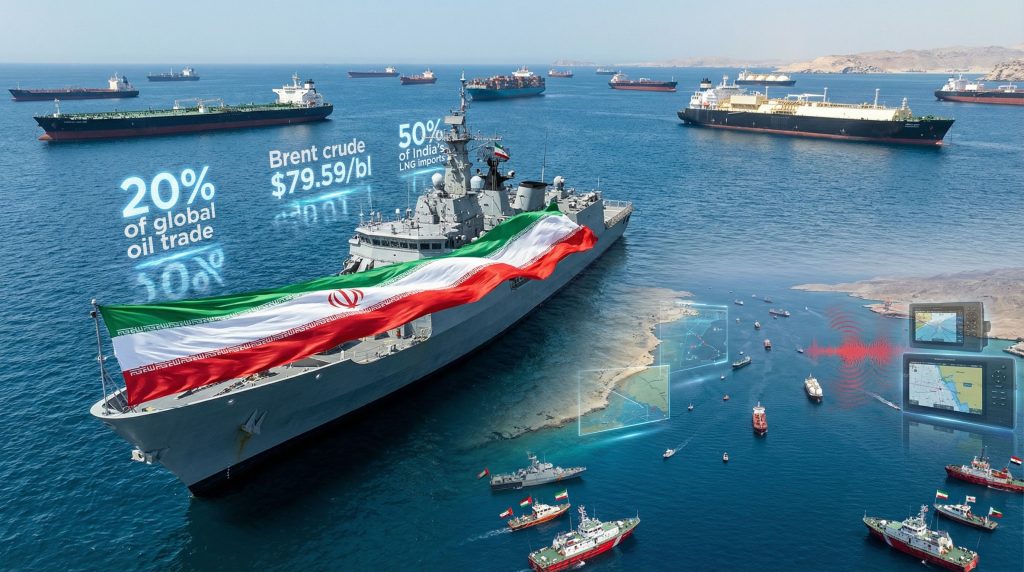
Global crude oil markets experienced dramatic volatility as trading resumed following weekend escalation in Middle Eastern hostilities. Furthermore, this oil price rally saw Brent crude futures reach an intraday high of $82.17 per barrel during Asian trading sessions, representing a 13% surge from the previous close of approximately $72.87 per barrel before moderating to $79.59 per barrel, maintaining 9.2% gains from pre-conflict baseline levels.
WTI and Brent futures demonstrated similar volatility patterns, with WTI crude reaching $75.33 per barrel for the April Nymex contract, representing a 12% gain or $8.31 per barrel increase from the previous session's close. The rapid price moderation from initial surge levels suggests algorithmic trading responses and position liquidation as additional information regarding actual supply disruption scope became available to market participants.
Market Response Characteristics:
- Initial Asian market opening generated maximum price spikes
- Subsequent price corrections indicated information aggregation effects
- Settlement prices approximately 3.6% below intraday highs
- Risk premium calculations outweighing OPEC+ production increase announcements
Market analysis indicates that supply disruption risk concerns weighted more heavily in trader decision-making than concurrent announcements of increased production capacity from core OPEC+ members. This demonstrates the market's assessment that geopolitical risks supersede production policy decisions during active conflict scenarios.
OPEC+ Production Strategy During Crisis
Despite escalating regional tensions directly affecting member countries, eight core OPEC+ nations proceeded with planned production increases, creating complex market dynamics between supply expansion and heightened geopolitical risk premiums. In addition, Saudi Arabia, Iraq, Kuwait, Russia, the UAE, Algeria, Oman, and Kazakhstan collectively agreed to raise their crude production ceiling by 206,000 barrels per day, accelerating from previous monthly increases of 137,000 barrels per day.
This production increase strategy appears disconnected from immediate regional security concerns, suggesting OPEC+ members prioritise market share retention and revenue optimisation despite infrastructure vulnerability risks. The timing creates unusual market conditions where increased production capacity coincides with elevated supply disruption probabilities.
However, the interaction between production increases and conflict-related supply risks generates unprecedented pricing complexities, with markets forced to simultaneously evaluate expanded output capacity against potential infrastructure damage, shipping delays, and insurance premium escalations affecting actual delivered supply volumes.
Critical Infrastructure Vulnerabilities at Strait of Hormuz
The Strait of Hormuz, handling approximately 20% of globally traded oil and significant LNG export volumes from Qatar and the UAE, faces unprecedented security challenges that threaten global energy supply chain stability. Multiple confirmed vessel strikes demonstrate the escalation from theoretical chokepoint risks to active maritime warfare affecting commercial shipping operations.
Confirmed Maritime Incidents
Vessel Strike Documentation:
| Incident Location | Distance from Port | Vessel Impact | Operational Status |
|---|---|---|---|
| North of Muscat, Oman | 50 nautical miles | Engine room fire (controlled) | Marshall Islands-flagged MKD Vyom |
| Northwest of Mina Saqr, UAE | 17 nautical miles | Fire subsequently extinguished | Unidentified tanker |
| Palau-flagged vessel | Gulf waters | Chemicals/oil products tanker | Sunday strike incident |
| West of Sharjah, UAE | 35 nautical miles | Nearby explosion, no impact | Commercial vessel |
The MKD Vyom incident provides specific operational context for shipping vulnerabilities. This Marshall Islands-flagged product tanker was carrying LR1-sized gasoline cargo from northwest Europe, having transited through the Suez Canal with discharge scheduled at Saudi Arabia's Ras Tanura port. The vessel's routing demonstrates typical European-to-Middle Eastern trade flows now directly exposed to kinetic risks.
Consequently, satellite tracking data confirms multiple ships pooling east of the strait, indicating risk-averse positioning by shipping companies and charterers awaiting situation clarification. This vessel congestion creates potential bottleneck effects that compound supply chain disruptions beyond direct strike incidents.
Port Operational Status Assessment
Regional Port Operations Matrix:
| Port/Terminal | Country | Current Status | Specific Issues |
|---|---|---|---|
| Jebel Ali | UAE | Suspended operations | Proximity to Strait of Hormuz |
| Ras Laffan | Qatar | Operating with restrictions | Significant GPS signal degradation |
| Duqm Commercial | Oman | Operational damage sustained | Infrastructure impact confirmed |
| Basrah, Khor Al Zubair, Umm Qasr | Iraq | Normal operations | Western Gulf positioning |
| Saudi Arabian ports | Saudi Arabia | Normal operations | No reported disruptions |
| Qalhat LNG | Oman | Strategic bypass potential | 11.4 million tonnes/year capacity |
Navigation system disruptions represent a particularly sophisticated aspect of the current conflict, with GPS and Automatic Identification System (AIS) degradation reported at Qatar's Ras Laffan terminal. This electronic warfare capability hampers vessel positioning and collision avoidance systems, creating additional risks beyond direct kinetic threats.
Historical precedent from June 2025 conflicts demonstrates the potential for sustained navigation system disruptions, indicating this represents established operational doctrine rather than isolated incidents. The combination of kinetic strikes and electronic warfare capabilities suggests comprehensive maritime domain denial strategies.
Regional Supply Chain Disruption Analysis
India's LNG Import Crisis
India faces immediate energy security challenges as Middle Eastern LNG supplies experience severe operational disruptions, threatening approximately 2 million tonnes per month of LNG imports representing 50% of India's total monthly LNG supply. For instance, the country's February 2026 LNG imports totalled 1.89 million tonnes, already down 27% month-on-month, indicating pre-existing supply tightness before current crisis escalation.
Petronet LNG Fleet Status Analysis:
- Disha (138,000m³): Loaded 60,000t LNG at Ras Laffan terminal, currently awaiting clearance
- Raahi (138,000m³): Successfully unloaded similar volume at Dahej terminal on March 1, 2026
- Aseem (155,000m³): Rerouted away from Strait of Hormuz while returning to Ras Laffan after February 24 discharge
Only one of three vessels successfully completed unloading operations at India's 17.5 million tonnes per year Dahej terminal, leaving the facility with approximately 2-3 days of LNG supply reserves. This critical shortage timeline forces immediate supply chain adaptation decisions with limited buffer capacity.
Indian importers expect disruption impacts to raise landed prices at west India's Dahej terminal to over $12 per million BTU, compared to Argus-assessed prices of $10.26 per million BTU for west India deliveries and $10.36 per million BTU for east India deliveries as of February 27, 2026.
Alternative Supply Route Evaluation
Strategic Diversification Options:
- African and Australian LNG supplies remain uninterrupted by Middle Eastern conflicts
- Oman's Qalhat terminal offers strategic bypass potential, avoiding narrowest Strait of Hormuz sections
- Atlantic basin cargoes providing temporary relief for Indian importers
- Extended voyage routing increasing shipping costs and delivery timeframes
State-controlled Gail India's four LNG time-chartered vessels demonstrate diversified positioning strategies, with two vessels en route to India via Atlantic basin routing and two others heading to European unloading destinations. This geographic diversification provides operational flexibility during regional supply disruptions.
However, shipping capacity constraints may limit alternative sourcing effectiveness, as several shipping companies have suspended or rerouted LNG tankers, creating vessel availability bottlenecks that compound supply security challenges beyond simple sourcing geography.
Military Escalation Patterns and Regional Expansion
The conflict demonstrates sophisticated escalation patterns extending beyond bilateral US-Iran engagement to encompass multiple regional theatres and proxy relationships. Israel's renewed military campaign against Iran-backed Hezbollah militants in Lebanon represents the reactivation of dormant proxy warfare fronts, threatening the US-brokered ceasefire agreement established in 2024 after extensive previous fighting.
Multi-Theatre Conflict Expansion:
- Lebanese President Joseph Aoun criticised Hezbollah's retaliatory missile and drone launches toward Israel
- Israeli air strikes on Hezbollah-controlled southern Beirut suburbs with multiple explosions reported
- UK's Royal Air Force base at Akrotiri, Cyprus struck by unmanned drones
- Airport disruptions affecting Dubai and Doha international hubs
The Cyprus drone strike represents significant geographic expansion, demonstrating Iran's capability to target Western military infrastructure supporting US operations in the region. This escalation occurred after the UK granted permission for US forces to utilise British bases for countering Iranian missile and drone threats.
US President Donald Trump indicated continued military operations until unspecified objectives are achieved, describing them only as strong without providing operational parameters or termination criteria. This open-ended commitment suggests prolonged regional instability rather than limited tactical engagement.
Proxy Warfare Reactivation
The Lebanese conflict dimension represents particularly destabilising regional dynamics, given Lebanon's previous year-long conflict that significantly weakened Hezbollah capabilities before the 2024 ceasefire agreement. Prime Minister Nawaf Salam condemned retaliatory attacks as irresponsible while stating government opposition to Lebanon being dragged into new adventures.
This proxy warfare reactivation creates cascading regional effects, as other Iran-aligned groups throughout the Middle East may interpret the Lebanon escalation as authorisation for increased operational tempo against Israeli and US targets across multiple countries.
Furthermore, the combination of direct state-to-state warfare between the US and Iran, coupled with proxy group activation across Lebanon, potentially Iraq, and other regional locations, creates multiple simultaneous conflict theatres with overlapping but distinct operational dynamics and escalation pathways.
How Will Energy Markets Adapt to Prolonged Conflict?
Strategic Petroleum Reserve Considerations
Current Middle Eastern supply disruptions highlight the critical importance of strategic petroleum reserve capacity and alternative supply route development for energy-importing nations. The concentration of global energy trade through geopolitically unstable regions creates systemic vulnerabilities requiring comprehensive mitigation strategies beyond short-term market responses.
Emergency Response Activation:
- International Energy Agency monitoring strategic reserve deployment options
- Multiple national governments activating crisis response protocols
- Commercial sector implementing enhanced security protocols and contract force majeure provisions
- Insurance markets recalibrating Middle Eastern operation risk premiums
The current crisis demonstrates how rapidly theoretical chokepoint vulnerabilities can translate into active supply disruptions, forcing governments and private sector actors to reassess strategic reserve adequacy and alternative sourcing capabilities under stress conditions.
Market Structure Evolution Scenarios
Potential Structural Changes by Duration:
| Timeframe | Market Impacts | Strategic Responses |
|---|---|---|
| 30-60 days | Price volatility, routing delays | Emergency reserve releases |
| 3-6 months | Supply chain restructuring | Alternative supplier agreements |
| 6+ months | Permanent market realignment | Infrastructure investment redirection |
Extended conflict duration could accelerate energy transition planning as governments recognise the strategic vulnerability of fossil fuel supply chain concentration in politically unstable regions. This acceleration might paradoxically benefit renewable energy investment timelines while simultaneously creating short-term supply security challenges.
Maritime security technology advancement represents another potential structural change, with shipping companies and energy traders likely to invest in enhanced vessel protection systems, alternative routing capabilities, and improved real-time threat assessment technologies.
Investment Flow Redirection Analysis
Capital Allocation Shifts:
- Increased investment in non-Middle Eastern production capacity development
- Enhanced strategic storage facility construction and expansion
- Accelerated renewable energy project development timelines
- Advanced maritime security and navigation technology deployment
Energy infrastructure investment patterns may permanently shift away from Middle Eastern concentrated supply chains toward geographically diversified systems with enhanced resilience characteristics. This structural change would fundamentally alter global energy market dynamics over multi-year timeframes.
The current crisis provides stark demonstration of supply chain fragility risks, potentially catalysing long-term capital flow redirection toward energy security infrastructure investments that prioritise stability over cost optimisation in strategic commodity supply systems.
The next major ASX story will hit our subscribers first
Risk Assessment and Scenario Planning Framework
Commercial Shipping Risk Factors
Current maritime threat levels require comprehensive risk assessment incorporating both kinetic and electronic warfare capabilities demonstrated by regional actors. Vessel strikes indicate sophisticated targeting capabilities, while GPS/AIS jamming demonstrates comprehensive maritime domain awareness and denial strategies.
Operational Risk Categories:
- Direct kinetic targeting of commercial vessels with confirmed strike incidents
- Electronic warfare disruption of navigation and communication systems
- Port infrastructure damage affecting loading and discharge capabilities
- Insurance premium escalation making certain routes economically unviable
Shipping companies face complex operational decisions balancing contractual obligations against crew safety and vessel protection considerations. The pooling of ships east of the Strait of Hormuz demonstrates industry-wide risk assessment prioritising safety over schedule maintenance.
Insurance and Financial Market Responses
Marine insurance markets are rapidly repricing Middle Eastern operational risks, with potential premium increases affecting the economic viability of traditional routing patterns. Extended voyage times resulting from alternative routing add both time and fuel costs that compound insurance premium impacts.
Financial Risk Factors:
- War risk insurance premium escalation for vessels transiting conflict zones
- Extended voyage time costs affecting cargo delivery economics
- Port demurrage charges during operational suspensions
- Force majeure activation affecting long-term supply contract performance
Energy traders are adjusting contract terms to incorporate enhanced force majeure provisions and alternative delivery mechanisms. This recognises that current conflict patterns may establish precedents for future regional instability episodes.
What Are the Long-term Implications for Global Energy Security?
Trader Risk Perception Evolution
Current market behaviour demonstrates how rapidly theoretical risks translate into active trading considerations when geopolitical tensions escalate to direct military engagement. The speed of price adjustment from initial surge levels to moderated settlement prices indicates sophisticated algorithmic trading responses incorporating real-time conflict development information.
Market psychology shifts become evident in the differential weighting of supply disruption risks versus production increase announcements. Traders prioritise immediate security concerns over medium-term capacity expansion decisions by OPEC+ members. Consequently, oil price movements reflect these psychological shifts rather than fundamental supply-demand dynamics.
Behavioural Market Indicators:
- Initial panic buying followed by information-based position adjustments
- Risk premium calculations superseding fundamental supply-demand analysis
- Increased correlation between energy commodity prices and geopolitical event timelines
- Enhanced volatility patterns reflecting uncertainty rather than actual supply shortages
Long-term Investment Psychology Changes
The current crisis may fundamentally alter investor psychology regarding Middle Eastern energy infrastructure investments, shifting from cost-optimisation focused decision-making toward security and diversification prioritisation in portfolio construction strategies. Moreover, this coincides with broader concerns about US-China trade war impacts on global supply chains.
Institutional investors managing energy exposure may reassess geographic concentration limits and implement enhanced political risk assessment frameworks for future investment decisions. This recognises that traditional risk models underestimated the probability of sustained regional conflict.
Investment Strategy Adaptations:
- Geographic diversification requirements becoming primary investment criteria
- Enhanced political risk assessment methodologies
- Alternative energy source investment acceleration
- Infrastructure resilience prioritisation over cost efficiency optimisation
These psychological and behavioural shifts in market participant decision-making may persist beyond immediate crisis resolution. They create lasting changes in global energy market structure and investment flow patterns that extend the current disruption's impact across multiple years of market development.
Furthermore, as Iran rejects US talks as conflict widens, investors must consider market volatility hedging strategies to protect their portfolios from ongoing geopolitical risks. The combination of diplomatic breakdown and military escalation suggests that traditional risk management approaches may prove inadequate for the evolving threat landscape.
Disclaimer: This analysis is based on publicly available information as of March 2026 and involves inherent uncertainties regarding future geopolitical developments, market responses, and infrastructure vulnerability assessments. Readers should conduct independent research and consult qualified professionals before making investment or operational decisions based on this content. Energy market forecasts and geopolitical risk assessments involve speculative elements and may not reflect actual future outcomes.
Looking for Opportunities Amidst Energy Market Turbulence?
Discovery Alert's proprietary Discovery IQ model delivers real-time alerts on significant ASX mineral discoveries, helping investors identify actionable opportunities across energy and resource sectors during periods of global uncertainty. Begin your 14-day free trial today to understand why historic discoveries can generate substantial returns and position yourself ahead of market volatility.