
May 23, 2026
How Strategic Industrial Diversification Transforms Regional Economic Landscapes
India's eastern industrial corridor presents a compelling case study in coordinated multi-sector investment attraction, where state-level policy mechanisms intersect with global supply chain realignments to create unprecedented development opportunities. The Odisha government industrial projects initiative represents a sophisticated approach that demonstrates how India's lithium strategy and domestic manufacturing capabilities can converge to address critical technology supply chain vulnerabilities. The convergence of semiconductor manufacturing, rare earth processing, renewable energy infrastructure, and advanced manufacturing within proximity-based industrial clusters extends far beyond traditional single-sector development models.
Understanding how multiple industrial verticals can be strategically positioned within the same geographic region requires analyzing the underlying economic frameworks that enable such comprehensive development initiatives. When examining large-scale industrial transformation programs, the interplay between policy design, infrastructure readiness, and market timing becomes critical for sustainable implementation success.
When big ASX news breaks, our subscribers know first
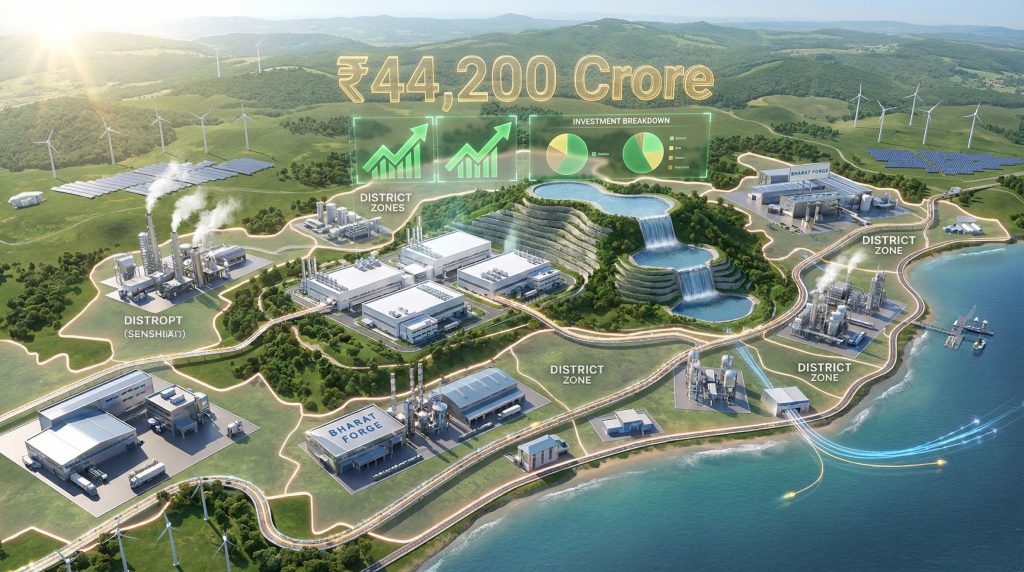
What Strategic Framework Drives Odisha's ₹44,200 Crore Industrial Transformation?
The ₹44,200 crore investment wave approved through Odisha's Rs 44,200 crore industrial investment clearance represents a sophisticated multi-sector convergence model that positions the state at the intersection of several critical global supply chains. This strategic approach demonstrates how coordinated industrial policy can simultaneously address domestic manufacturing gaps while capturing emerging opportunities in high-technology sectors.
Multi-Sector Convergence Model Analysis
The strategic clustering approach adopted in this industrial transformation initiative creates synergistic opportunities across seemingly disparate sectors. ASP Semicon's ₹4,620 crore semiconductor memory chip facility in Khurda district establishes the foundation for a domestic electronics ecosystem, while Magnova's ₹1,050 crore magnet manufacturing operation provides critical rare earth processing capabilities within the same geographic proximity.
This convergence model generates several competitive advantages. Furthermore, the integration aligns with broader critical raw materials facility development strategies observed globally:
• Shared infrastructure utilisation across high-technology manufacturing operations
• Cross-sector talent development opportunities in advanced manufacturing skills
• Integrated supply chain optimisation for electronics and renewable energy sectors
• Research and development collaboration potential between complementary technologies
The proximity of semiconductor manufacturing to rare earth processing creates unique opportunities for vertical integration in critical technology components, particularly important given global supply chain vulnerabilities exposed in recent years.
Geographic Distribution Strategy Assessment
The eight-district investment spread across Khurda, Koraput, Kalahandi, Malkangiri, Dhenkanal, Puri, Nayagarh, and Deogarh represents a calculated balance between risk mitigation and economies of scale. This distribution strategy addresses several strategic considerations, particularly when viewed through the lens of energy transition strategy requirements:
| District | Primary Investment Focus | Strategic Advantage |
|---|---|---|
| Khurda | Semiconductors, Rare Earth | Technology hub proximity |
| Koraput | Cement, Hydropower | Raw material availability |
| Dhenkanal | Aerospace Manufacturing | Industrial corridor access |
| Nayagarh | Pumped Storage Hydro | Grid connectivity optimisation |
This geographic distribution strategy enables specialised cluster development while preventing over-concentration of industrial activity in any single location, thereby reducing infrastructure strain and environmental impact concerns.
How Do Semiconductor and Rare Earth Investments Position Odisha in Global Supply Chains?
The semiconductor and rare earth components of this investment program address critical vulnerabilities in India's technology supply chains while positioning the state to capture value-added manufacturing opportunities in emerging technology sectors. These investments reflect broader trends in mining industry evolution towards strategic materials processing.
Critical Materials Security Framework
ASP Semicon's semiconductor memory chip manufacturing facility represents a significant step toward domestic semiconductor ecosystem development, addressing India's heavy reliance on imports for critical electronics components. The ₹4,620 crore investment scale indicates sophisticated manufacturing capabilities targeting both domestic demand and export opportunities.
The strategic importance extends beyond immediate economic impact:
• Domestic electronics security through reduced import dependency
• Technology transfer opportunities in advanced semiconductor processes
• Skills ecosystem development for high-precision manufacturing
• Research collaboration potential with academic and industry partners
Magnova's rare earth magnet manufacturing operation complements the semiconductor initiative by establishing domestic processing capabilities for critical materials used in renewable energy systems, electric vehicles, and advanced electronics. The ₹1,050 crore investment creates opportunities for backward integration in the renewable energy value chain.
Technology Transfer and Innovation Ecosystem Development
The successful implementation of these high-technology manufacturing operations requires significant skills development infrastructure and research collaboration frameworks. Consequently, the convergence of semiconductor and rare earth processing within the same regional ecosystem creates unique opportunities for cross-sector innovation and technology spillovers.
Critical success factors include:
• Advanced technical training programmes aligned with industry requirements
• University-industry collaboration for applied research and development
• International technology partnerships for knowledge transfer
• Quality certification systems meeting global manufacturing standards
What Role Does Pumped Storage Hydropower Play in Odisha's Energy Security Matrix?
The renewable energy component of this investment program, totalling ₹30,948 crore across four major projects, positions pumped storage hydropower technology as a critical enabler for industrial growth and grid stability in the state's expanding industrial ecosystem.
Grid Stabilisation and Renewable Integration Strategy
Pumped storage hydropower technology serves as a critical bridge between intermittent renewable energy generation and consistent industrial power demand. The scale of investment demonstrates recognition of energy storage as essential infrastructure for supporting high-technology manufacturing operations.
Adani Hydro Energy's ₹9,731 crore facility in Nayagarh and Jindal Green PSP's ₹3,711 crore operation in Deogarh create substantial grid stabilisation capacity. For instance, this enables greater renewable energy integration while maintaining the power quality requirements essential for semiconductor and advanced manufacturing operations.
Investment Scale Comparison and Market Positioning
| Project Developer | Investment (₹ Crore) | Technology Focus | Grid Integration Role |
|---|---|---|---|
| Adani Hydro Energy | 9,731 | Pumped Storage | Primary grid stabilisation |
| Sangamam Consortium | 9,000 | Hydro Development | Base load generation |
| Greenko Private | 7,506 | Renewable Systems | Clean power supply |
| Jindal Green PSP | 3,711 | Pumped Storage | Peak load management |
This energy infrastructure investment creates long-term competitive advantages for industrial operations by ensuring reliable, cost-effective power supply while supporting India's renewable energy transition goals.
How Does the Automotive-Aerospace Manufacturing Cluster Create Defence Industry Synergies?
Bharat Forge's ₹3,000 crore aerospace and defence components manufacturing facility in Dhenkanal represents a strategic entry into high-value manufacturing sectors with significant technology spillover potential into civilian applications.
Bharat Forge's Manufacturing Capabilities Analysis
The aerospace and defence focus creates opportunities for precision manufacturing capabilities that can be leveraged across multiple industrial applications. The ₹3,000 crore investment scale indicates sophisticated production capabilities targeting both domestic defence procurement and export markets.
Key strategic advantages include:
• Technology transfer opportunities from defence to civilian aerospace applications
• Supply chain integration with existing automotive manufacturing networks
• Export market development for high-value manufactured components
• Skills development in precision manufacturing and quality systems
Supply Chain Integration Opportunities
The positioning of aerospace manufacturing within Odisha's broader industrial ecosystem creates unique cross-sector synergy opportunities. The proximity to semiconductor manufacturing, rare earth processing, and renewable energy infrastructure enables integrated supply chain development for advanced technology applications.
The convergence of aerospace, defence, and high-technology manufacturing within the same regional ecosystem creates unprecedented opportunities for innovation and value-added production in India's eastern industrial corridor.
What Infrastructure Development Patterns Support Multi-Sector Industrial Growth?
The supporting infrastructure investments demonstrate recognition that advanced manufacturing requires sophisticated digital, transportation, and materials supply systems to achieve global competitiveness. However, this approach necessitates coordination with Australia's critical minerals reserve strategy for long-term materials security.
Telecom and Digital Infrastructure Foundation
Shreetech Data's ₹1,622 crore cable landing station in Puri addresses critical digital connectivity requirements for advanced manufacturing operations. This infrastructure investment enables high-speed data connectivity essential for modern manufacturing systems and global supply chain integration.
The digital infrastructure component creates several strategic advantages:
• International connectivity for global supply chain coordination
• Data center capabilities supporting industrial automation systems
• Cloud infrastructure for advanced manufacturing applications
• Digital skills development opportunities across industrial sectors
Cement Industry Expansion and Construction Demand Analysis
The combined ₹4,000 crore investment by NCL Industries and Dalmia Cement addresses anticipated construction material demand from the expanding industrial infrastructure. In addition, this forward-looking approach ensures materials supply security while creating additional employment opportunities.
| Cement Producer | Investment (₹ Crore) | Location | Strategic Role |
|---|---|---|---|
| NCL Industries | 2,000 | Koraput | Industrial construction support |
| Dalmia Cement | 2,000 | Malkangiri | Infrastructure materials supply |
The next major ASX story will hit our subscribers first
How Do Employment Generation Patterns Reflect Odisha's Industrial Diversification Strategy?
The 8,765 projected job opportunities across multiple industrial sectors demonstrate the employment multiplier effects of coordinated multi-sector investment approaches, with varying skill requirements creating diverse career pathway opportunities.
Job Creation Distribution Analysis
| Sector Category | Estimated Jobs | Skill Requirements | Training Infrastructure Needs |
|---|---|---|---|
| Semiconductors & Rare Earth | 2,800+ | High-tech, specialised | Advanced technical institutes |
| Automotive & Aerospace | 1,200+ | Engineering, precision | Manufacturing skills centres |
| Cement & Construction | 2,100+ | Mixed skill levels | Vocational training programmes |
| Renewable Energy | 1,800+ | Technical, maintenance | Green energy certification |
| Support Services | 1,065+ | Administrative, logistics | Business skills development |
Regional Development Impact Assessment
The district-wise employment distribution creates opportunities for balanced regional development while addressing rural-urban migration patterns through industrial job creation in smaller urban centres. This aligns with broader patterns of critical raw materials facility development worldwide.
Critical considerations include:
• Skills training infrastructure development aligned with industry requirements
• Housing and social infrastructure expansion to support industrial workforce
• Transportation connectivity improvements for worker mobility
• Healthcare and education services expansion in industrial districts
What Policy Mechanisms Enable Rapid Project Approval and Implementation?
The High-Level Clearance Authority framework demonstrates sophisticated institutional design for coordinating complex multi-sector investment approvals while maintaining implementation accountability. This approach reflects lessons learned from Odisha government investment policies developed over recent years.
High-Level Clearance Authority Framework Analysis
The single-window clearance system implemented through the HLCA creates significant administrative efficiency gains by coordinating multiple regulatory approvals through unified decision-making processes. Consequently, this approach addresses common bureaucratic bottlenecks that often delay large-scale Odisha government industrial projects.
Key institutional advantages include:
• Coordinated decision-making across multiple government departments
• Timeline predictability for investment planning and implementation
• Accountability mechanisms for project monitoring and evaluation
• Conflict resolution systems for addressing implementation challenges
Investment Facilitation and Risk Mitigation Strategies
The three-pronged policy approach emphasising targeted investor pursuit, systemic efficiency improvements, and field-level empowerment creates comprehensive support systems for investment attraction and implementation success.
This framework addresses several critical success factors:
• Proactive investor engagement through targeted outreach and relationship management
• Process optimisation for reducing administrative delays and compliance costs
• Local implementation support for resolving on-ground challenges quickly
• Performance monitoring systems for tracking project implementation progress
How Does This Investment Wave Compare to Previous Industrial Development Cycles in Odisha?
Historical analysis of large-scale industrial announcements in Odisha reveals important patterns regarding announcement-to-implementation success rates and lessons learned from previous development initiatives.
Historical Investment Pattern Analysis
Previous major industrial announcements in the state have shown mixed implementation results, with success rates varying significantly based on sector characteristics, policy support mechanisms, and market conditions during implementation phases.
Critical success factors identified from historical analysis include:
• Infrastructure readiness at project sites before investment commitments
• Skilled workforce availability aligned with industry requirements
• Market demand sustainability throughout project implementation timelines
• Government policy consistency across political and administrative changes
Competitive Positioning Against Other Indian States
Odisha's approach must compete with established industrial ecosystems in Gujarat, Tamil Nadu, and Karnataka, each offering distinct advantages in different sectors. However, the state's focus on Odisha government industrial projects provides unique positioning opportunities.
Comparative advantages for Odisha include:
• Abundant natural resources for materials-intensive manufacturing
• Strategic coastal location for export-oriented production
• Government policy focus on industrial development and investment facilitation
• Lower land and labour costs compared to established industrial centres
Competitive challenges include:
• Skills ecosystem development requirements for advanced manufacturing
• Supply chain network establishment for global market integration
• Transportation infrastructure upgrades for efficient logistics systems
• Quality certification achievements for international market access
What Future Scenarios Could Emerge from This Industrial Transformation?
Analysis of potential development trajectories reveals several scenario pathways with varying implications for long-term economic transformation and regional competitiveness.
Optimistic Growth Trajectory Modelling
Full project implementation within projected timelines could position Odisha as a significant player in India's advanced manufacturing ecosystem, with multiplier effects extending well beyond the direct investment and employment figures.
Potential positive outcomes include:
• Additional investment attraction in related and supporting industries
• Technology cluster development with innovation and research capabilities
• Export market penetration for high-value manufactured products
• Regional economic transformation with improved living standards
Risk Factors and Mitigation Strategies
Implementation challenges that could affect project success include skills development delays, infrastructure bottlenecks, market demand fluctuations, and environmental compliance requirements.
Critical risk mitigation approaches include:
• Phased implementation strategies allowing for course corrections
• Skills development acceleration through targeted training programmes
• Infrastructure investment coordination across public and private sectors
• Market diversification strategies reducing dependence on single demand sources
Strategic Recommendations for Stakeholders
Policy refinements that could enhance success probability include regulatory streamlining, skills ecosystem acceleration, and infrastructure investment prioritisation aligned with industrial requirements.
Key recommendations for sustained success include:
• Continuous policy adaptation based on implementation experience and market feedback
• Public-private partnership development for infrastructure and skills investment
• Quality assurance systems establishment for global market competitiveness
• Innovation ecosystem development supporting long-term technological advancement
The strategic framework underlying this ₹44,200 crore investment program demonstrates sophisticated understanding of multi-sector industrial development requirements, with policy mechanisms designed to address common implementation challenges while positioning the state for long-term economic transformation. Success will ultimately depend on execution quality, market responsiveness, and sustained policy support throughout the implementation timeline.
Disclaimer: This analysis is based on publicly announced investment intentions and government policy statements. Actual implementation outcomes may vary based on market conditions, policy changes, and execution capabilities. Investment decisions should be made based on comprehensive due diligence and professional financial advice.
Considering Strategic Investment Opportunities in India's Industrial Transformation?
Discovery Alert's proprietary Discovery IQ model delivers real-time alerts on significant ASX mineral discoveries, instantly empowering subscribers to identify actionable opportunities ahead of the broader market as global supply chains realign around critical materials processing. Begin your 14-day free trial today at Discovery Alert and secure your market-leading advantage in the evolving commodities landscape.