July 6, 2026

Strategic Infrastructure Development in Alaska's Remote Mineral Belt
Alaska's vast wilderness conceals one of North America's most promising yet untapped mineral deposits, where the convergence of geopolitical necessity and resource scarcity has created unprecedented momentum for remote infrastructure development. The Ambler road project in Alaska represents a transformative initiative that extends far beyond traditional mining economics, addressing critical supply chain vulnerabilities through domestic resource development.
Traditional approaches to remote mining access have relied heavily on seasonal transportation methods or prohibitively expensive aviation logistics. However, emerging geopolitical tensions surrounding critical mineral supplies have fundamentally altered the cost-benefit calculations for permanent infrastructure investments in previously inaccessible regions.
When big ASX news breaks, our subscribers know first
Understanding Alaska's Ambler Mining District Infrastructure Initiative
The proposed 211-mile industrial access route represents a transformative infrastructure project designed to connect Alaska's existing transportation network to one of the continent's most significant undeveloped polymetallic regions. This engineering undertaking would traverse the challenging Brooks Range terrain, establishing permanent ground access to the remote Ambler Mining District.
Geographic Scope and Strategic Positioning
The corridor would extend from the established Dalton Highway system across approximately 340 kilometres of pristine Arctic landscape. This route crosses multiple ecological zones, from boreal forests through tundra environments to mountainous terrain exceeding 4,000 feet in elevation.
The selected pathway deliberately avoids the most sensitive ecological areas while maintaining engineering feasibility for heavy industrial traffic. Route planning has identified optimal crossing points for major waterways and wildlife migration corridors, balancing infrastructure requirements with environmental stewardship obligations.
Critical Mineral Supply Chain Implications
Current global supply chains for essential industrial minerals face unprecedented concentration risks, with dominant producers controlling substantial market shares across copper, cobalt, and rare earth elements. Furthermore, the recent critical minerals directive has highlighted the strategic importance of domestic production capabilities.
The Ambler district's polymetallic characteristics offer potential diversification benefits across multiple critical mineral categories simultaneously. Unlike single-commodity deposits, this geological formation contains commercially viable concentrations of copper, zinc, cobalt, silver, and gold within relatively concentrated areas.
Presidential Policy Shifts and Regulatory Transformation
Recent executive actions have fundamentally altered the regulatory landscape surrounding critical mineral development on federal lands. These policy reversals represent a dramatic departure from previous administrative approaches that prioritised conservation over resource extraction.
Executive Decision Impact Analysis
The October 2025 White House fact sheet detailing presidential intervention reversed longstanding federal obstacles that had prevented infrastructure development permits for nearly a decade. This regulatory shift eliminated bureaucratic barriers that previously made project financing and timeline planning virtually impossible.
Federal agency coordination requirements have been streamlined through expedited permitting processes specifically designed for critical mineral projects with national security implications. Previously separate environmental review processes have been consolidated into unified assessment frameworks with defined timelines.
Regulatory Pathway Modifications
Traditional environmental impact assessment procedures, which typically required multiple years for completion, have been restructured to operate within accelerated timelines while maintaining scientific rigour. Consequently, federal agencies now operate under mandated coordination protocols that prevent duplicative review processes.
The Bureau of Land Management, U.S. Army Corps of Engineers, and Fish and Wildlife Service now utilise synchronised assessment procedures that eliminate previous jurisdictional conflicts and timeline uncertainties. This regulatory harmonisation has reduced project risk profiles significantly for private sector investors.
Geological Significance and Resource Characteristics
The Ambler Mining District encompasses over 1,700 individual mining claims across a geologically unique polymetallic belt formed through ancient volcanic and hydrothermal processes. This geological environment created concentrated mineral deposits rarely found in such proximity and grade combinations.
Polymetallic Belt Formation and Quality
Geological surveys indicate the region's mineral formation resulted from multiple hydrothermal events over millions of years, creating layered deposits with varying mineral concentrations. In addition, copper mineralisation occurs in both sulfide and oxide forms, providing processing flexibility for different extraction methods.
Mineral Resource Distribution:
• Copper deposits: High-grade sulfide concentrations suitable for conventional flotation processing
• Zinc mineralisation: Significant reserves in volcanic massive sulfide formations
• Cobalt occurrence: Strategic grade concentrations associated with copper sulfide deposits
• Precious metals: Silver and gold values provide important economic co-products
• Strategic minerals: Lead and other elements enhance overall project economics
Global Deposit Comparisons
International benchmarking reveals the Ambler district's characteristics compare favourably with established mining regions including Canada's Abitibi Belt and Australia's Mount Isa region. Grade distributions and geological continuity suggest potential for large-scale, long-life mining operations.
Resource density calculations indicate significantly higher mineral concentrations per square kilometre compared to many currently operating North American mining districts. This concentration factor reduces infrastructure requirements per ton of recoverable metals, improving overall project economics.
| Mineral Type | Grade Range | Strategic Classification | Processing Complexity |
|---|---|---|---|
| Copper | 1.5-3.2% | Defence Critical | Moderate |
| Zinc | 2.8-7.1% | Industrial Essential | Standard |
| Cobalt | 0.15-0.35% | Battery Technology | Complex |
| Silver | 45-120 g/t | Precious Metal | Standard |
| Gold | 1.2-2.8 g/t | Reserve Asset | Standard |
Economic Impact Projections and Financial Analysis
Comprehensive economic modelling suggests the infrastructure investment would generate substantial direct and indirect benefits across construction, operational, and long-term revenue phases. Employment creation extends beyond traditional construction jobs to include specialised technical positions and support services.
Construction Phase Employment Generation
Project development would create approximately 2,730 direct construction positions across multiple skill categories and experience levels. These positions encompass heavy equipment operators, specialised Arctic construction workers, environmental monitoring specialists, and project management professionals.
Indirect employment multiplier effects could generate additional opportunities in logistics, accommodation services, equipment maintenance, and regional support industries. Rural Alaska communities would experience unprecedented economic activity levels during peak construction phases.
Long-term Revenue and Tax Projections
Alaska state revenue modelling projects approximately $1.1 billion in combined taxes and royalties over the operational lifespan of mining activities enabled by road access. These calculations assume commodity price scenarios based on long-term supply-demand projections and inflation adjustments.
Financial Timeline Projections:
• Construction Duration: 4-6 years in sequential phases
• Initial Production: 2-3 years post-completion
• Full Operation: 50-year projected lifespan
• Peak Employment: 1,500+ operational positions
• Annual Tax Revenue: $22-35 million at full production
Economic Risk Assessment
Revenue projections remain sensitive to global commodity price fluctuations, particularly for copper and cobalt markets experiencing increasing volatility. Climate change impacts on construction timelines and operational costs represent additional uncertainty factors requiring contingency planning.
Currency exchange rate variations could affect international competitiveness, while technological changes in battery chemistry might alter cobalt demand projections. However, comprehensive sensitivity analysis indicates positive economic returns across most reasonable scenario combinations.
Environmental Engineering and Ecological Mitigation
Arctic infrastructure development presents unique environmental challenges requiring innovative engineering solutions and comprehensive impact mitigation strategies. The project crosses multiple sensitive ecosystems, each demanding specialised protection measures that align with modern mine reclamation innovation practices.
Brooks Range Ecosystem Considerations
The route traverses pristine wilderness areas that serve as habitat for caribou, wolves, bears, and numerous migratory bird species. Ecosystem fragmentation risks require careful route planning and wildlife corridor preservation strategies.
Permafrost stability considerations influence foundation design, drainage systems, and long-term structural integrity. Climate change impacts on permafrost behaviour add complexity to engineering specifications and maintenance requirements.
Wildlife Migration Protection Systems
Caribou migration patterns have remained consistent for centuries, with seasonal movements crossing the proposed route at multiple locations. Engineering solutions include elevated road sections, wildlife overpasses, and timed construction restrictions during critical migration periods.
Environmental Design Features:
• Major River Crossings: 11 engineered bridge structures
• Stream Crossings: Approximately 3,000 culvert installations
• Wildlife Passages: Multiple corridor preservation zones
• Impact Area: 200,000 acres of public land modification
• Restoration Areas: Post-construction habitat rehabilitation zones
Hydrological Impact Management
Watershed protection requires specialised bridge designs that maintain natural flow patterns while accommodating seasonal flood conditions. Permafrost considerations affect foundation depths and structural specifications for all water crossings.
Water quality monitoring systems would track potential impacts throughout construction and operational phases. Advanced filtration and containment systems address potential contamination risks from construction activities and vehicle traffic.
The next major ASX story will hit our subscribers first
Indigenous Community Engagement and Cultural Protection
Alaska Native communities maintain deep cultural connections to the affected region through traditional subsistence practices, spiritual sites, and ancestral territories. Meaningful consultation and benefit-sharing arrangements represent essential components of project social licence.
Subsistence Rights and Traditional Practices
Traditional hunting, fishing, and gathering activities provide both nutritional and cultural significance for indigenous communities. Road development could affect wildlife behaviour patterns and access to traditional harvesting areas.
Community advisory structures would ensure ongoing indigenous input throughout construction and operational phases. Traditional ecological knowledge provides valuable insights for environmental protection and wildlife management strategies.
Cultural Impact Mitigation Strategies
Archaeological surveys have identified significant cultural sites requiring protection or careful excavation procedures. Traditional place names and cultural narratives associated with specific geographic features demand respectful acknowledgment and preservation.
Employment and training opportunities specifically designed for Alaska Native community members could provide economic benefits while maintaining cultural connections to the region. Local hiring preferences and culturally appropriate work arrangements support community participation.
International Comparative Analysis of Remote Mining Access
Global experience with remote mining infrastructure provides valuable lessons for project planning, cost estimation, and long-term sustainability planning. Comparative analysis reveals both successful models and cautionary examples that inform current mining industry evolution strategies.
Canadian Arctic Mining Roads
Canada's experience with the Dempster Highway and various mining access roads in the Northwest Territories offers relevant technical and environmental precedents. Construction challenges include permafrost management, wildlife protection, and extreme weather resilience.
The Mackenzie Valley region demonstrates both successful infrastructure development and environmental protection achievements. Lessons learned include the importance of community engagement, adaptive management strategies, and long-term maintenance planning.
Scandinavian Remote Infrastructure Models
Norway's northern mining operations utilise similar Arctic engineering approaches, with successful integration of environmental protection and industrial development. Furthermore, these projects demonstrate viable approaches to caribou migration accommodation and permafrost construction.
| Transport Method | Capital Investment | Environmental Impact | Operational Flexibility | Weather Dependency |
|---|---|---|---|---|
| All-Weather Road | Very High | Moderate-High | Maximum | Low |
| Seasonal Ice Roads | Low | Low | Limited | Extreme |
| Rail Infrastructure | Extreme | Moderate | Route-Specific | Low |
| Barge/Aviation | Moderate | Low | Weather-Limited | High |
Cost-Benefit Analysis Relative to Alternatives
Aviation-based logistics, while environmentally preferable, impose severe economic constraints on large-scale mining operations. Per-ton transportation costs via aircraft exceed road transport by factors of ten to twenty for bulk commodities.
Seasonal ice roads provide temporary access but cannot support year-round operations or heavy equipment transport required for major mining development. Climate change impacts reduce ice road viability and extend construction timelines.
Arctic Engineering Challenges and Technical Solutions
Constructing permanent infrastructure across Alaska's Brooks Range requires specialised engineering approaches that address permafrost, extreme temperatures, and remote location constraints. Technical solutions must balance performance, durability, and environmental protection.
Permafrost Foundation Engineering
Continuous permafrost conditions require thermosiphon systems, insulated foundations, and elevated roadway sections to prevent thaw-induced structural failure. Engineering specifications must account for climate change impacts on permafrost stability over 50-year operational lifespans.
Ground-penetrating radar and thermal monitoring systems guide foundation design for varying permafrost conditions along the route. Adaptive construction methods accommodate local variations in soil composition and thermal characteristics.
Extreme Weather Design Requirements
Arctic construction faces temperature extremes ranging from -50°F to 90°F, with rapid temperature changes creating material stress and expansion challenges. Wind loads exceed 100 mph during storm events, requiring enhanced structural specifications.
Technical Design Parameters:
• Temperature Range: -50°F to +90°F operational capability
• Wind Load: 120 mph maximum design specification
• Snow Load: 150 pounds per square foot structural capacity
• Seismic Design: Zone 3 earthquake resistance standards
• Permafrost: Continuous frozen ground accommodation
Remote Construction Logistics
Material transport to construction sites requires careful coordination of barge deliveries during brief summer shipping seasons. Equipment mobilisation costs represent significant project expenses due to size and weight constraints for air transport.
Local material sourcing opportunities include gravel deposits for road base construction, reducing transport costs and environmental impacts. However, quarry development requires separate environmental permits and restoration planning.
Global Critical Minerals Market Position
The project's completion would enhance North America's strategic mineral independence while contributing to global supply chain diversification efforts. Current market concentration creates vulnerabilities that domestic production could address, particularly given evolving North American mining trends and trade war market impact considerations.
U.S. Strategic Mineral Independence Objectives
National security assessments identify critical mineral supply vulnerabilities in defence manufacturing, renewable energy systems, and advanced technology sectors. Domestic production capabilities could reduce import dependencies for essential industrial materials.
The Defence Production Act provides framework for prioritising domestic mineral development when national security interests are involved. Strategic stockpile requirements could guarantee minimum purchase quantities for domestic producers.
Supply Chain Diversification Benefits
Global copper supply concentration in politically unstable regions creates price volatility and supply interruption risks. North American production increases would provide supply security for manufacturing industries and infrastructure development.
Cobalt supply chains face particular concentration risks, with limited production sources outside regions experiencing political instability. Domestic cobalt production would support battery manufacturing independence for electric vehicle and energy storage applications.
Geopolitical Strategic Implications
Trade tensions and supply chain weaponisation concerns have elevated critical mineral security to national security priority status. Domestic production capabilities provide negotiating leverage and supply security during international disputes.
Allied nations' coordination on critical mineral development could create alternative supply networks independent of potentially hostile producers. North American production contributes to broader Western supply chain resilience strategies.
Project Financing Structure and Investment Mechanisms
Large-scale infrastructure development requires innovative financing approaches that combine public sector strategic interests with private sector investment capabilities. Risk sharing mechanisms accommodate long development timelines and commodity price uncertainties.
Alaska Industrial Development Authority Role
The Alaska Industrial Development and Export Authority holds ownership of the proposed road infrastructure, providing public sector backing for private mining development. This structure separates infrastructure financing from mining operation risks.
Recent Funding Developments:
• AIDEA Commitment: $50 million initial construction funding (November 2025)
• Project Ownership: Public infrastructure serving private mining operations
• Revenue Model: User fees and tolls for road access
• Maintenance Responsibility: Long-term public sector obligation
Private Sector Investment Participation
Trilogy Metals maintains development rights for mining operations that would utilise the transportation infrastructure. This partnership structure allows public investment in strategic infrastructure while enabling private sector mining development.
Investment risk mitigation includes commodity price hedging strategies, production insurance, and diversified revenue streams from multiple mineral commodities. Long-term supply contracts with domestic manufacturers could provide revenue stability.
Federal Support and Coordination
Executive branch support includes expedited permitting processes, regulatory coordination, and potential loan guarantees through federal financing programs. Strategic mineral designation provides access to specialised funding mechanisms.
The Defence Production Act could authorise federal purchase commitments or strategic stockpile acquisitions to support project financing. Tax incentives for domestic mineral production reduce operational costs and improve investment returns.
Implementation Timeline and Development Phases
Project advancement following regulatory approvals suggests construction could commence within 18-24 months, with completion expected in sequential phases over four to six years. Phased development allows for adaptive management and risk mitigation.
Construction Phase Strategy and Milestones
Initial construction phases would focus on establishing base camps, access roads for construction equipment, and critical river crossings. Environmental monitoring systems would be operational throughout all construction activities.
Development Milestone Timeline:
• Phase 1: Site preparation and river crossings (Years 1-2)
• Phase 2: Primary roadway construction (Years 2-4)
• Phase 3: Final surfacing and infrastructure completion (Years 4-6)
• Phase 4: Mining development and initial production (Years 6-8)
• Operational Phase: Full production and infrastructure utilisation (Years 8-58)
Long-term Operational Planning
Road maintenance requirements include specialised Arctic equipment and seasonal access restrictions during extreme weather events. Annual maintenance costs are estimated at $2-4 million, depending on weather conditions and traffic volumes.
Infrastructure expansion possibilities include connecting additional mining areas, upgrading capacity for increased traffic, and developing support facilities for mining operations. Adaptive management allows for modifications based on operational experience.
Potential Network Expansion Opportunities
Successful implementation could justify additional access routes to other undeveloped mineral districts in northern Alaska. Network effects would reduce per-project infrastructure costs while expanding regional economic development opportunities.
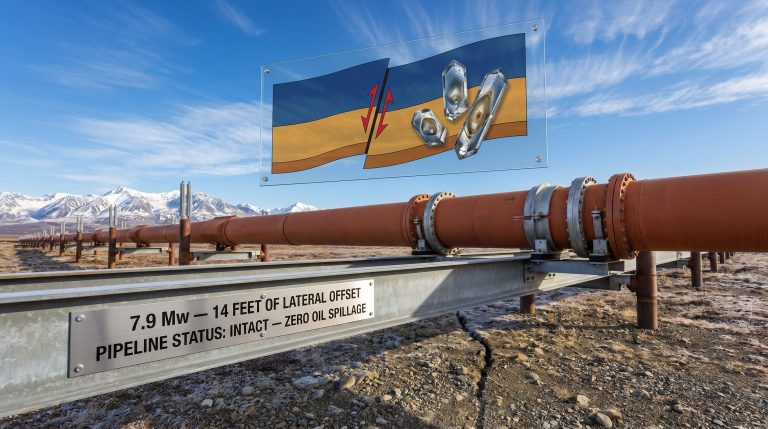
Connection to existing pipeline infrastructure could provide opportunities for utility corridors, telecommunications systems, and emergency services access. Integrated infrastructure planning maximises public investment returns while supporting broader regional development.
The Ambler road project in Alaska represents more than infrastructure development; it embodies a strategic shift towards domestic mineral security and economic resilience. As detailed in the Ambler Access Project documentation, this initiative connects national security priorities with regional development opportunities, creating lasting benefits for Alaska and the broader United States.
Disclaimer: This analysis contains forward-looking projections based on available information and industry precedents. Actual outcomes may vary significantly due to commodity price fluctuations, regulatory changes, environmental conditions, and other factors beyond current control. Investment decisions should consider comprehensive risk assessments and professional financial advice.
Are You Ready to Capitalise on Critical Mineral Discoveries?
Discovery Alert's proprietary Discovery IQ model delivers real-time alerts on significant ASX mineral discoveries, instantly empowering subscribers to identify actionable opportunities ahead of the broader market. Understand why major mineral discoveries can lead to substantial returns by exploring historic examples of exceptional outcomes, then begin your 30-day free trial today to position yourself ahead of the market.