
August 6, 2026
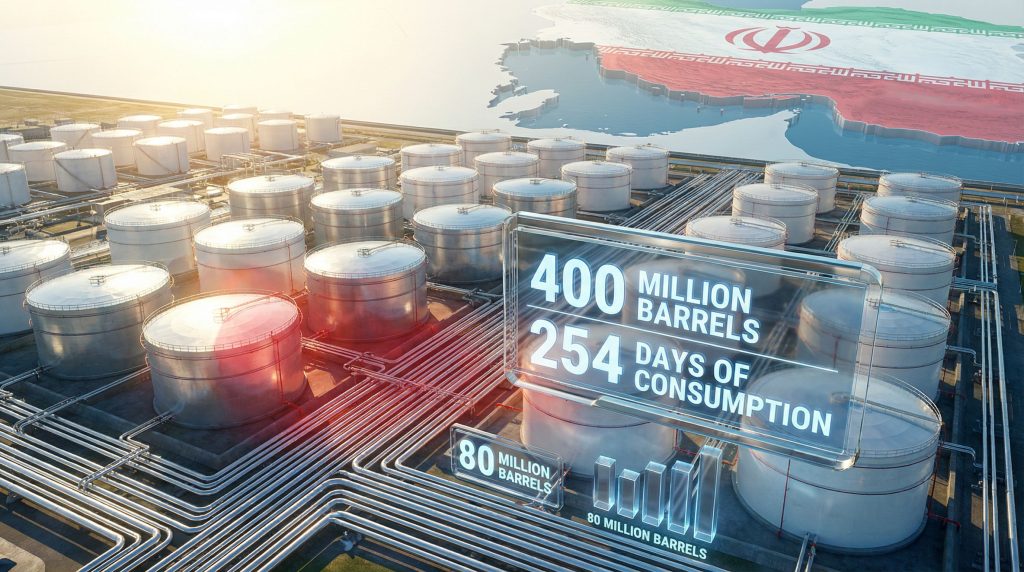
Strategic Petroleum Reserve Architecture in Major Oil-Importing Nations
Strategic petroleum stockpiles serve as the backbone of modern energy security frameworks, representing decades of policy refinement and billions in infrastructure investment. These reserves transform temporary supply disruptions into manageable economic adjustments, allowing nations to maintain industrial output and consumer access during geopolitical crises. The japan additional oil reserves release demonstrates how major oil-importing economies manage external shocks to prevent recession or merely price volatility.
Contemporary strategic reserve systems operate through sophisticated activation protocols, coordinated international mechanisms, and complex distribution networks. Understanding these systems reveals critical insights about global energy resilience, market intervention strategies, and the delicate balance between crisis preparedness and economic efficiency.
Japan maintains one of the world's most comprehensive strategic petroleum reserve systems, with 241 days of consumption equivalent as of March 2026. This sophisticated three-tier structure demonstrates advanced crisis management capabilities developed over decades of vulnerability assessment and policy refinement.
The system operates through distinct reserve categories: national government stockpiles containing 146 days of consumption, private-sector mandatory reserves totaling 89 days, and joint international stockpiles providing 6 days of additional coverage. This architecture enables flexible deployment strategies during varying crisis scenarios.
Reserve Distribution Framework:
• National reserves: Government-controlled stockpiles for extended crisis response
• Private mandatory reserves: Industry-held inventories subject to regulatory requirement adjustment
• Joint stockpiles: Internationally coordinated reserves for multilateral crisis management
• Rotational inventory: Fresh crude maintained through systematic replacement protocols
Private-sector reserve requirements create operational flexibility through regulatory adjustment mechanisms. During crisis activation, mandatory stockpile requirements can decrease from 70 days to 55 days equivalent, effectively releasing 15 days of inventory for immediate market deployment without depleting government-controlled reserves.
Technical Implementation Mechanisms
Reserve deployment involves sophisticated matching systems between government supply and refinery operational requirements. Japanese refiners submit specific crude grade requirements to the Ministry of Economy, Trade and Industry (METI), enabling targeted supply allocation rather than generic volume releases.
This approach optimises refinery operations whilst ensuring strategic objectives align with operational realities. The Petroleum Association of Japan coordinates industry participation, streamlining communication between government policy and private-sector implementation capacity.
Table: Japanese Reserve Deployment Process
| Phase | Mechanism | Volume Impact | Timeline |
|---|---|---|---|
| Initial Response | Private mandate reduction | 15 days equivalent | Immediate |
| Secondary Deployment | National stockpile release | 30 days equivalent | 1-2 weeks |
| Extended Response | Additional government reserves | Variable volume | As needed |
| International Coordination | Joint stockpile access | 6 days equivalent | Variable |
Current deployments demonstrate system effectiveness during major supply disruptions. Combined national and private reserve releases totaling approximately 80 million barrels represent significant market intervention capability whilst maintaining adequate reserves for extended crisis scenarios.
When big ASX news breaks, our subscribers know first
Crisis Activation Protocols and Policy Thresholds
Strategic reserve activation depends on specific trigger mechanisms that assess supply disruption severity, duration projections, and market impact potential. Contemporary activation protocols incorporate multiple assessment criteria rather than single-variable triggers.
Current Middle East supply disruptions meet several activation thresholds simultaneously: sustained price volatility exceeding policy parameters, physical supply disruption affecting critical shipping routes, and projected shortage duration extending beyond initial response capacity. Furthermore, these conditions align with broader geopolitical oil supply dynamics affecting global markets.
Geopolitical Assessment Framework
METI officials indicated preparedness for extended crisis response, noting that additional reserve releases may become necessary if current supply disruptions persist beyond April 2026. This forward-looking assessment reflects sophisticated planning rather than reactive crisis management.
Industry leaders echo government assessments regarding crisis duration. PAJ President Shunichi Kito suggested that persistent Middle East conditions could necessitate additional japan additional oil reserves release deployments covering May requirements and potentially beyond.
Critical Supply Route Vulnerabilities:
• Strait of Hormuz: Effective closure disrupting approximately 20% of global oil flows
• Middle East dependency: 95% of Japanese crude imports from region
• Alternative sourcing constraints: Limited short-term substitution capacity
• Transportation cost increases: Higher logistics expenses for alternative supplies
International Coordination Mechanisms
Japan's reserve strategy operates within broader International Energy Agency (IEA) frameworks, enabling coordinated responses that amplify market impact whilst distributing intervention costs across member nations. Current IEA-coordinated releases totaling 271.7 million barrels represent the largest deployment in organisational history.
This multilateral approach enhances policy effectiveness compared to unilateral actions, demonstrating mature international crisis management capabilities developed through decades of energy security cooperation. However, unlike previous oil price rally analysis scenarios, current conditions require sustained intervention.
Alternative Supply Chain Development and Market Adaptation
Japanese refiners actively explore alternative crude sources during supply disruptions, though logistical constraints, transportation costs, and grade compatibility issues limit rapid substitution capabilities. This reality potentially necessitates continued japan additional oil reserves release during supply chain transitions.
Regional Supply Diversification Strategies
Potential Alternative Sources:
• North American suppliers: Enhanced crude procurement relationships
• Central/South American producers: Ecuador, Colombia, Mexico sourcing
• Russian Sakhalin-2 project: Continued under existing waivers
• Southeast Asian grades: Limited compatibility with Japanese refineries
Alternative sourcing faces technical constraints including crude grade specifications, refinery operational parameters, and transportation infrastructure limitations. Japanese refineries optimise for Middle Eastern crude grades, requiring operational adjustments for alternative supplies.
The Sakhalin-2 project provides limited alternative capacity through existing US and EU waivers for Russian crude procurement. However, this source represents minimal volume compared to Middle Eastern supply requirements. Consequently, current conditions differ significantly from easing tariff threats scenarios that primarily affect price rather than physical supply.
Market Psychology and Price Impact Assessment
Oil prices approaching $100 per barrel during March 2026 reflect continued supply uncertainty despite coordinated international reserve responses. Market psychology incorporates reserve depletion concerns alongside immediate supply adequacy assessments.
Strategic reserve releases aim to moderate price volatility whilst ensuring adequate domestic supply during crisis periods. However, effectiveness depends on global coordination, release timing, and market perception of intervention sustainability. This contrasts with oil price stagnation insights where supply remained stable.
Economic Impact Considerations:
• Reserve depletion: Reduced future crisis response capacity
• Transportation premiums: Increased costs from alternative supply sources
• Refinery adjustments: Operational modifications for different crude grades
• Replenishment expenses: Future strategic reserve restoration costs
Extended Crisis Management and Policy Sustainability
Japan's current reserve levels provide substantial crisis response capacity, though extended deployments could compromise future security margins. Policymakers must balance immediate supply stability against long-term strategic preparedness. This differs from trade war oil movements where market volatility primarily affects pricing.
Staged Response Architecture
Government officials suggest potential additional releases could mirror initial volumes, approximately 80 million barrels, though final determinations depend on evolving geopolitical conditions and alternative supply procurement success.
This staged approach allows policy flexibility whilst maintaining adequate reserve levels for extended crisis scenarios. The framework demonstrates sophisticated understanding of crisis management requiring sustained intervention rather than single-event responses.
Future Release Planning Factors:
• Conflict duration assessment: Iran-Israel hostilities persistence evaluation
• Alternative supply success: North American and South American sourcing progress
• Price stability objectives: Market volatility management targets
• Reserve adequacy maintenance: Long-term security margin preservation
Demand Management Integration
Whilst current policy focuses on supply-side interventions, demand management measures could complement reserve releases during extended crises. These approaches might include industrial energy efficiency incentives, transportation fuel conservation programs, and strategic petroleum product allocation protocols.
Japan's geographic isolation and import dependency create unique vulnerabilities requiring comprehensive crisis response capabilities extending beyond reserve deployment alone. The japan additional oil reserves release represents one component of broader energy security strategy.
International Best Practices and Comparative Analysis
Japan's strategic reserve system ranks among the world's most comprehensive, significantly exceeding IEA minimum requirements of 90 days consumption equivalent. This positioning reflects unique geographic and supply chain vulnerabilities compared to other developed economies.
Regional Energy Security Evolution
Asian economies increasingly recognise strategic reserve importance given Middle Eastern supply dependencies and regional shipping route vulnerabilities. Japan's current actions may influence regional policy development regarding reserve sizing, international coordination, and crisis response protocols.
Comparative Reserve Adequacy:
• Japan: 241 days consumption equivalent (March 2026)
• IEA minimum requirement: 90 days consumption equivalent
• Regional average: Significantly lower than Japanese levels
• Crisis response capability: Japan exceeds most developed economy standards
The current coordinated IEA response demonstrates multilateral crisis management effectiveness, though individual nation policies vary significantly in implementation speed, volume capacity, and release criteria.
Long-term Strategic Implications
Japan's rapid deployment capability reflects sophisticated planning and industry coordination mechanisms developed over decades of energy security policy evolution. This infrastructure provides crisis management advantages during supply disruptions.
However, reserve systems require continuous investment in maintenance, rotation, and facility upkeep. Long-term sustainability depends on balancing crisis preparedness against economic efficiency and alternative energy transition objectives.
The next major ASX story will hit our subscribers first
Replenishment and Recovery Planning
Strategic reserve replenishment represents critical long-term planning requiring coordination between crisis resolution, market conditions, and fiscal capacity. Replenishment timelines typically require 6-18 months for significant volume restoration under normal market conditions.
Post-Crisis Restoration Framework
Replenishment Considerations:
• Market timing: Optimal price conditions for reserve restoration
• Supply availability: Global crude market capacity during recovery
• Storage infrastructure: Facility maintenance and expansion requirements
• Budget allocation: Government funding for reserve restoration programs
Current deployments necessitate future replenishment planning to maintain long-term crisis response capabilities. This requirement influences both immediate release decisions and broader energy security strategy development.
The sophistication of Japan's strategic petroleum reserve system demonstrates advanced energy security planning, though its effectiveness ultimately depends on crisis duration, alternative supply development, and international coordination success. These systems represent critical infrastructure for managing supply disruptions in an interconnected global energy market.
Investors and policymakers should note that strategic reserve deployments involve complex economic tradeoffs between immediate supply stability and long-term crisis preparedness capabilities, with outcomes dependent on evolving geopolitical conditions and market responses to intervention policies.
Want to Capitalise on Energy Market Volatility?
Strategic petroleum reserve deployments and geopolitical supply disruptions create significant opportunities for informed investors monitoring energy sector developments. Discovery Alert's proprietary Discovery IQ model delivers real-time alerts on significant ASX mineral discoveries, enabling subscribers to identify actionable opportunities across energy and commodity markets before broader market recognition. Begin your 14-day free trial today to position yourself ahead of market movements during these dynamic conditions.