June 11, 2026
Strategic Supply Chain Vulnerabilities in an Interconnected World
Complex global supply networks reveal their deepest weaknesses when single points of failure trigger cascading disruptions across seemingly unrelated industries. Understanding these systemic vulnerabilities requires examining how concentrated chokepoints can transform localised geopolitical tensions into worldwide economic crises affecting everything from smartphone production to agricultural yields.
The interconnected nature of modern commerce means that disruptions in one region create ripple effects that travel through multiple industrial sectors, often in unexpected ways. When critical transit routes face blockades, the resulting supply shortages extend far beyond traditional energy markets into pharmaceuticals, technology manufacturing, and food production systems.
When big ASX news breaks, our subscribers know first
Understanding Critical Energy Transit Bottlenecks
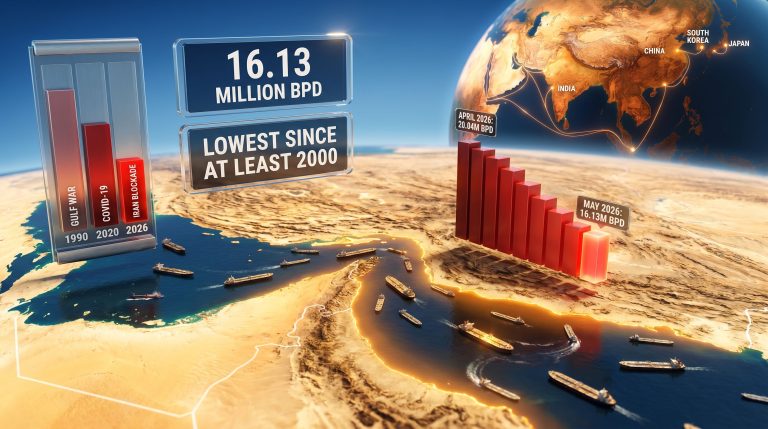
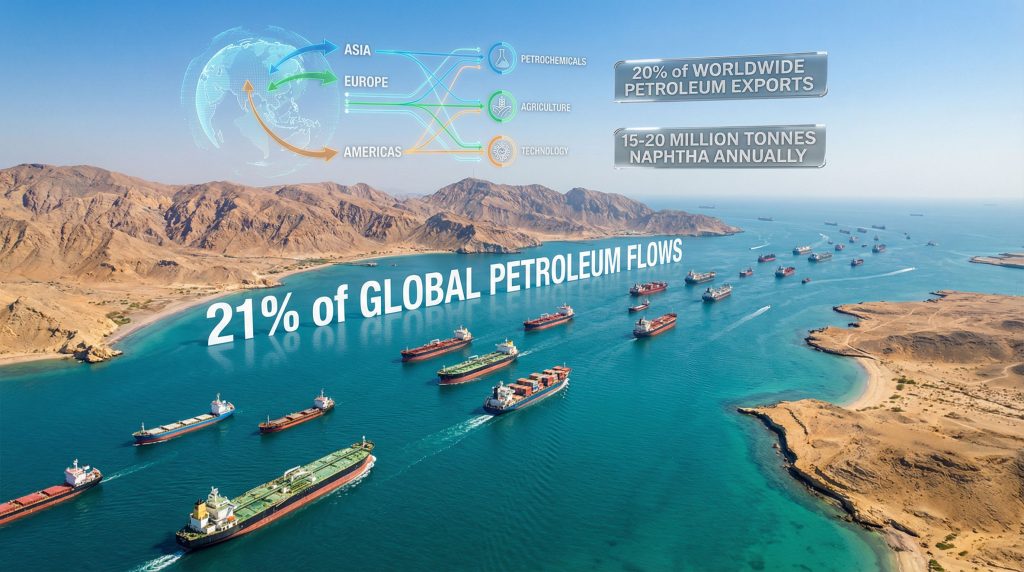
The world's energy infrastructure depends on several narrow waterways that handle disproportionate volumes of global petroleum flows. The most critical of these passages processes approximately 21% of global petroleum liquids and natural gas, representing roughly 21 million barrels of oil equivalent daily. This concentration creates enormous vulnerability when geopolitical conflicts disrupt normal transit operations, demonstrating the importance of critical energy security measures.
Alternative routing capacity remains severely limited, with existing pipeline bypasses capable of handling only 5-7 million barrels daily. The Saudi Petroline to the Red Sea carries approximately 5 million barrels per day capacity, while the UAE Habshan-Fujairah pipeline handles roughly 1.5 million barrels daily, totalling approximately 6.5 million barrels in combined bypass infrastructure.
Strategic petroleum reserves provide varying degrees of protection against supply disruptions. Major consuming nations maintain 90-180 day minimum reserve requirements under International Energy Agency standards, though actual coverage varies significantly by country. Developed nations typically hold 90-day minimum reserves, while China maintains over 100 days of strategic petroleum reserve capacity and India holds 45-60 days of emergency stockpiles.
Current Market Conditions During Crisis Periods
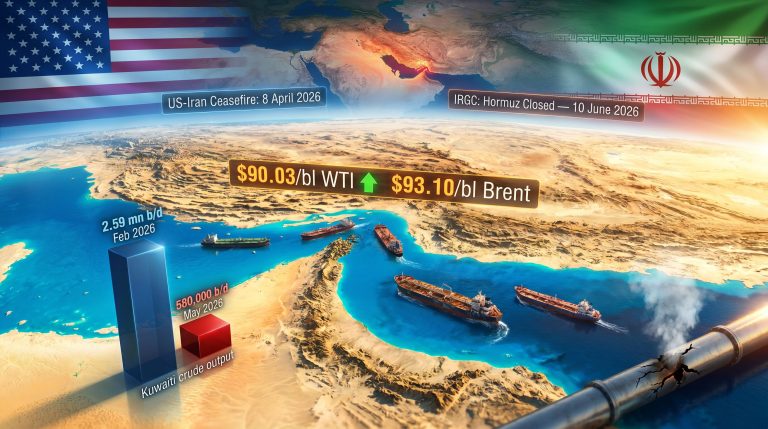
Recent market data illustrates the immediate price impacts of supply disruptions. As of April 2026, during an ongoing regional conflict affecting the oil supply shock in the Strait of Hormuz, WTI crude traded at $113.4 (up +0.96 or +0.85%) while Brent crude reached $109.8 (up +0.74 or +0.68%).
Financial institutions project severe price escalation scenarios if disruptions persist. Major investment banks forecast potential oil prices reaching $150 per barrel if critical transit routes remain closed through extended periods, reflecting the market's recognition of supply chain vulnerability. This phenomenon contributes to a broader oil price rally affecting global markets.
Petrochemical Manufacturing Dependencies and Vulnerabilities
Asian petrochemical production centres face the most severe exposure to supply disruptions from Middle Eastern sources. The region processes 60-70% of Middle Eastern naphtha feedstock, creating concentrated vulnerability when source materials become unavailable.
Key dependency metrics reveal the scope of potential disruption:
- Naphtha supply chains: 15-20 million tonnes annually from Gulf producers
- LPG processing capacity: 40% of Asian petrochemical feedstock sourcing
- Methanol imports: 35% of regional consumption from Middle Eastern suppliers
Manufacturing Response Patterns
Industry analysts note that supply disruptions create sequential rather than simultaneous impacts. According to J.P. Morgan analysis referenced in oil shock ripple effects from April 4, 2026, market shocks unfold as rolling supply disruptions moving westward, similar to patterns observed during the COVID-19 pandemic.
Trade credit insurance analysis from Coface identifies Asia as the region most vulnerable to Gulf supply disruptions. Their research indicates that with 60-70% of Asian naphtha passing through critical chokepoints, prolonged disruptions could fundamentally reshape global petrochemical industry geography and cost structures.
Commodity intelligence assessments emphasise the concentration risk inherent in current supply arrangements. ICIS analysis from March 2026 highlighted how Asia's petrochemical dominance relies on a dangerously concentrated feedstock system where single geopolitical events can impact entire industrial regions.
Production Curtailment Evidence
Real-world impacts include documented production reductions at major facilities. Japanese petrochemical producers have announced output curtailments due to naphtha shortages, with multiple companies declaring force majeure on contractual obligations. These declarations signal industry-wide recognition that supply disruptions represent extraordinary circumstances beyond normal operational control.
Agricultural Input Supply Chain Stress and Food Security
Fertiliser production faces critical constraints when ammonia and urea exports from Gulf regions encounter transit disruptions. This creates immediate pressure on global agricultural systems, particularly during Northern Hemisphere planting seasons.
The International Monetary Fund noted in March 2026 analysis that crop-nutrient supply interruptions occurring during critical planting periods threaten yields and harvests throughout the growing year, ultimately pushing food prices higher with 6-12 month lag effects before reaching consumers.
Farmer Response and Acreage Decisions
U.S. agricultural producers have already begun adjusting planting decisions in response to fertiliser price escalations. Reuters reported in April 2026 that American farmers planned to reduce corn, wheat, and rice acreage as fertiliser costs surged following Middle Eastern supply disruptions.
Projected Agricultural Impacts:
- Fertiliser price escalation: 150-300% increases during extended disruptions
- Planting decision impacts: 15-25% reduction in major crop acreage
- Food price transmission: 6-12 month consumer impact timeline
Fertiliser Supply Chain Mechanics
Ammonia production requires natural gas as primary feedstock, while urea manufacturing uses ammonia as a critical input. Gulf region producers maintain advantages through co-located natural gas reserves and integrated petrochemical infrastructure. When transit routes face blockades, both ammonia and urea exports halt, forcing global farmers to seek higher-cost alternatives or reduce application rates.
Technology Sector Critical Material Shortages
Semiconductor manufacturing confronts severe constraints when specialised gas supplies face interruption. Qatar produces approximately one-third of global helium supply, creating critical shortages when production sites sustain damage and existing inventory cannot reach international markets. These disruptions highlight the need for diversified critical raw materials sourcing strategies.
Helium's Role in Advanced Manufacturing
Helium serves essential functions in semiconductor fabrication processes that cannot easily substitute alternative materials:
- Cryogenic cooling: Critical temperatures required for chip manufacturing
- Plasma generation: Wafer processing applications
- Inert atmosphere: Preventing contamination during production
Unlike other supply chain disruptions where alternatives exist, helium scarcity creates hard capacity constraints on fabrication facilities. Semiconductor production cycles typically span 4-8 weeks, meaning helium shortages immediately impact manufacturing timelines.
Medical Technology Dependencies
Healthcare systems face equipment shortages beyond traditional energy impacts. Medical imaging devices, particularly MRI systems and diagnostic equipment, require helium for proper operation. The UK's NHS England leadership warned in April 2026 that the country could face critical medical supply shortages within days due to helium availability constraints.
Industry Response and Adaptation
Technology manufacturers actively scramble for alternative supply sources as traditional channels face disruption. With Qatar production facilities sustaining damage and existing helium production unable to exit through blocked transit routes, chipmakers confront both immediate supply loss and trapped inventory scenarios.
Regional Vulnerability Analysis and Comparative Exposure
Different global regions demonstrate varying degrees of susceptibility to supply chain disruptions based on their import dependencies and alternative sourcing capabilities. Furthermore, the tariffs impact markets add another layer of complexity to regional trade relationships.
Regional Vulnerability Rankings:
| Region | Energy Import Dependency | Petrochemical Exposure | Strategic Buffer Capacity |
|---|---|---|---|
| Northeast Asia | 85% Gulf dependency | Critical feedstock reliance | 100+ day reserves |
| Southeast Asia | 70% import exposure | High processing vulnerability | 30-60 day coverage |
| South Asia | 60% fertiliser reliance | Moderate manufacturing risk | 45-60 day stockpiles |
| Europe | 35% energy imports | Limited direct exposure | 90+ day reserves |
| North America | 15% direct dependency | Minimal immediate impact | 90+ day coverage |
Strategic Reserve Effectiveness
Reserve coverage varies significantly across consuming regions, creating uneven capacity to weather extended supply disruptions. OECD countries maintain 90-day minimum requirements, while emerging markets typically hold only 15-30 day inventory levels. China's strategic petroleum reserve capacity exceeds 100 days, providing greater buffer capacity than most developed nations.
The next major ASX story will hit our subscribers first
Cross-Sector Impact Propagation Mechanisms
Supply chain disruptions follow predictable patterns as shortages cascade through interconnected industries. Initial impacts typically manifest in adjacent markets within 2-4 weeks, with secondary effects spreading to consumer goods manufacturing over 6-12 week timeframes.
Sequential Disruption Timeline
Weeks 1-2: Primary feedstock inventory depletion begins
Weeks 3-4: Production capacity reduction announcements
Weeks 5-6: Force majeure declarations and export suspensions
Weeks 7-12: Consumer product shortages and price increases
Consumer Goods Manufacturing Impact
Plastic resin and chemical intermediate shortages ripple through diverse manufacturing sectors. However, the growing demand for critical minerals surge creates additional pressure on supply chains already under strain.
High-Risk Product Categories:
- Medical supplies: 2-4 week supply chain stress
- Packaging materials: 3-6 week critical shortages
- Cosmetics/personal care: 4-8 week production constraints
- Textiles/footwear: 6-12 week manufacturing delays
Long-Term Structural Implications for Global Commerce
Extended supply disruptions accelerate fundamental shifts in global supply chain architecture. Companies increasingly prioritise diversification over cost optimisation when designing sourcing strategies for critical materials.
Supply Chain Diversification Pressures
Emerging Strategic Trends:
- Alternative energy transit routes: Increased pipeline development investment
- Regional processing hubs: Petrochemical facility construction outside traditional centres
- Supply chain regionalisation: Reduced single-source supplier dependencies
- Enhanced inventory management: Expanded strategic stockpiling protocols
Geopolitical Risk Pricing Evolution
Financial markets incorporate higher risk premiums into commodity pricing models, reflecting demonstrated vulnerability to chokepoint disruptions. This represents a fundamental shift from previous assumptions about supply chain reliability and geographic concentration risks.
Investment Strategy Implications for Portfolio Management
Portfolio managers require enhanced assessment frameworks for exposure to industries with high chokepoint dependencies. Investment opportunities emerge in alternative infrastructure and supply chain diversification technologies.
Strategic Investment Considerations:
- Energy infrastructure: Pipeline and alternative transport capacity development
- Regional processing facilities: Petrochemical plants outside traditional hubs
- Strategic materials companies: Firms with diversified supply sourcing
- Technology alternatives: Development of substitute materials and processes
Market Psychology and Investor Behaviour
Crisis periods reveal investor psychology patterns around supply chain vulnerability. Initial market responses focus on immediate price impacts, while longer-term strategic positioning considers structural changes in global commerce patterns.
Traders initially implement bearish positioning strategies, with some accumulating nearly $1 billion in bearish oil bets during peak uncertainty periods. However, sustained disruptions typically shift sentiment toward infrastructure and diversification investments.
What Policy Response Frameworks Exist for International Coordination?
Effective crisis management requires coordination mechanisms that transcend traditional energy policy boundaries. Government responses must address cross-sector impacts affecting agriculture, technology, healthcare, and consumer goods simultaneously.
Recommended Policy Preparations:
- Cross-sector contingency planning: Integrated response protocols across industries
- Strategic reserve expansion: Beyond traditional petroleum stockpiles to critical materials
- Alternative supply route development: Infrastructure investment priority frameworks
- International coordination mechanisms: Multilateral crisis response capabilities
Regulatory and Economic Coordination Challenges
Supply chain disruptions expose gaps in existing policy frameworks designed for sector-specific rather than systemic crises. Economic analysis must account for interconnected vulnerabilities spanning energy, agriculture, technology, and manufacturing simultaneously.
International coordination becomes essential when single chokepoint disruptions affect global commerce patterns. According to UNCTAD's economic analysis, multilateral institutions require enhanced capabilities for managing supply chain crises that transcend traditional economic and security policy boundaries.
Risk Assessment and Future Scenario Planning
Understanding supply chain vulnerabilities requires scenario modelling that accounts for interconnected dependencies across multiple industrial sectors. Risk assessment frameworks must evaluate both immediate disruption impacts and longer-term structural changes in global commerce patterns.
Critical Scenario Variables:
- Disruption duration: Weeks versus months of supply interruption
- Geographic scope: Regional versus global impact patterns
- Seasonal timing: Agricultural cycles and manufacturing schedules
- Alternative capacity: Available substitute supply sources
Preparing for Systemic Supply Chain Vulnerabilities
Future resilience requires recognition that single chokepoint disruptions can cascade through interconnected global supply chains, affecting industries far removed from initial impact points. Strategic preparation involves diversified sourcing strategies, enhanced reserve capabilities, and improved international coordination mechanisms.
The oil supply shock in the Strait of Hormuz demonstrates how geographic concentration risks translate into systemic economic vulnerabilities affecting technology manufacturing, agricultural production, healthcare systems, and consumer goods availability. Understanding these interconnected dependencies enables better preparation for similar disruption scenarios through enhanced risk assessment and diversified supply chain strategies.
This analysis is provided for educational purposes and does not constitute investment advice. Readers should consult qualified financial advisors before making investment decisions. Market conditions and geopolitical situations can change rapidly, affecting the relevance of any analysis or projections.
Considering Investment Opportunities During Supply Chain Disruptions?
Discovery Alert's proprietary Discovery IQ model instantly identifies significant ASX mineral discoveries that could benefit from global supply chain vulnerabilities and commodity shortages. With critical materials becoming increasingly strategic assets during geopolitical disruptions, subscribers gain rapid insights into actionable trading opportunities before broader markets recognise emerging trends.