July 15, 2026
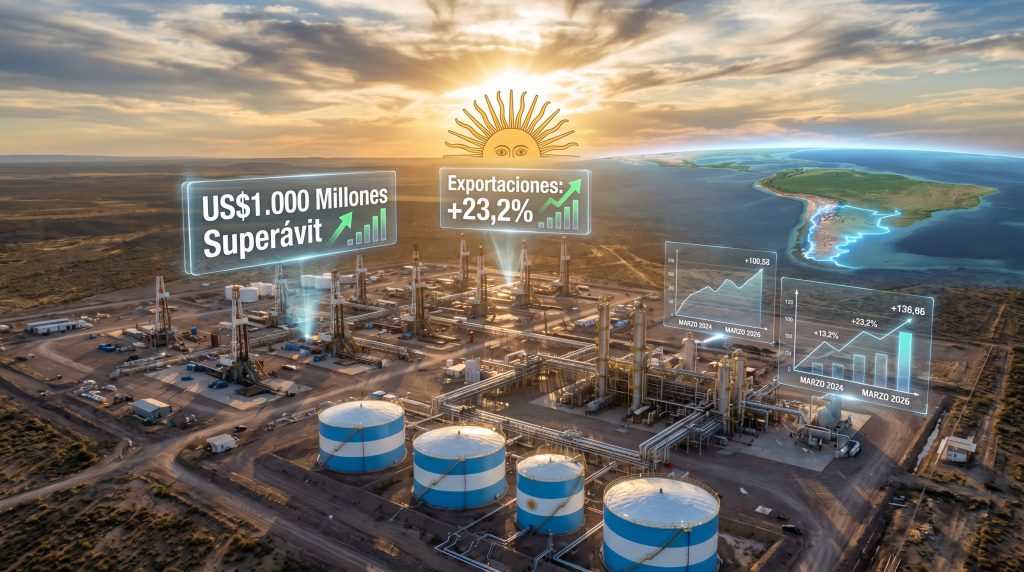
Argentina's transformation from energy importer to exporter represents one of the most remarkable shifts in global energy dynamics. The nation's superávit energético récord en Argentina has fundamentally altered its economic landscape, creating unprecedented opportunities whilst navigating the complexities of international oil price movements and geopolitical tensions that characterise today's energy markets.
What Structural Factors Transformed Argentina's Energy Matrix?
Evolution from Chronic Deficit to Energy Independence
Argentina's energy sector transformation reflects an unprecedented economic metamorphosis. For decades, the country faced persistent energy deficits that exerted constant pressure on the Central Bank of Argentina's (BCRA) international reserves. This dependence on liquefied natural gas (LNG) and petroleum derivatives imports represented a drain on foreign currency that compromised macroeconomic stability.
The Vaca Muerta geological formation, located in the Neuquén basin, emerges as the primary catalyst for this transformation. According to the US Energy Information Administration, this formation contains approximately 308 trillion cubic feet of technically recoverable gas, positioning it as the world's second-largest shale gas reserve after China.
In terms of oil, it harbours approximately 27 billion barrels of technically recoverable petroleum, classifying it as the fourth most important shale oil reserve globally. These geological advantages intersect with Argentina's growing capacity to navigate energy transition challenges whilst maintaining energy security.
Record Energy Surplus Metrics
The superávit energético récord en Argentina for March 2026 reached US$1.090 billion, establishing a new historical milestone. This result stems from dual dynamics: exports that grew 23.2% year-on-year to US$1.235 billion, whilst imports contracted 38.5% to merely US$145 million.
The dramatic reduction in imports primarily reflects decreased LNG purchases. Until 2022, Argentina imported between 8-9 billion cubic metres annually of liquefied natural gas, mainly from the United States and other global suppliers, through the Puerto Rosario regasification plant with capacity of 9.15 million metric tonnes annually.
Furthermore, this transformation occurs against a backdrop of increasing geopolitical trade impacts that have disrupted traditional energy supply chains globally.
Vaca Muerta's Productive Capacity: The Engine of Change
The expansion of unconventional resources production experienced notable acceleration:
• 2023 oil production: 200,000-220,000 barrels per day (bpd)
• 2023 gas production: 1,000-1,200 million cubic feet daily (MMpcd)
• 2025-2026 projections: Potential to reach 400,000+ bpd oil and 2,000+ MMpcd gas
• Accumulated investments: More than US$15.000 billion between 2017-2026 by major operators (YPF, Chevron, Tecpetrol, Shell)
"The first quarter of 2026 recorded an accumulated energy surplus of US$2.405 billion, consolidating the sector as the country's primary net foreign currency generator."
When big ASX news breaks, our subscribers know first
How Do Geopolitical Tensions Influence Argentina's Energy Advantage?
Middle East Conflicts' Impact on Global Prices
Geopolitical tensions in the Middle East during 2026 generated significant disruptions in global energy markets. The Strait of Hormuz, through which approximately 21% of global crude oil transits, experienced operational restrictions that elevated international oil prices above US$90 per barrel during critical periods.
This volatility contrasts dramatically with Argentina's experience during the Ukraine war in 2022. In that context, as a net energy importer, Argentina suffered inflationary pressures when WTI (West Texas Intermediate) prices exceeded US$120 per barrel in March-April 2022. The country faced energy deficits that generated additional pressure on its trade balance.
Moreover, these dynamics intersect with broader concerns about energy security insights that affect global energy markets.
Strategic Positioning as Net Exporter
Argentina's transformation to net energy exporter allows it to capitalise on positive geopolitical shocks rather than suffer their negative effects. This new dynamic operates through multiple channels:
Price Channel:
- Middle East disruptions → Global supply reduction → WTI/Brent price increases → Higher income from Argentine exports
Demand Channel:
- Geopolitical crises may reduce global demand → Partial compensation of gains from higher prices
Logistical Costs Channel:
- Disruptions affect maritime freight → For Argentina, transport costs represent a significant component in LNG exports
Export Market Diversification
Argentina's geographical proximity to key regional markets generates substantial logistical advantages:
• Chile: Primary destination for Argentine gas exports via pipelines
• Brazil: Potential market for LNG exports from southern terminals
• Uruguay: Importer of derivatives and electricity of Argentine thermal origin
• Asian markets: Long-term destination for LNG exports once port infrastructure is developed
What is Vaca Muerta's Transformative Role in Energy Independence?
Geological Characteristics and Technical Potential
The Vaca Muerta formation extends across 30,000 square kilometres in the provinces of Neuquén, Río Negro, La Pampa, and Mendoza. Its exceptional geological characteristics include:
Rock Composition:
- Organic matter-rich shales with total organic carbon (TOC) content exceeding 4%
- Average formation thickness: 50-150 metres
- Depth: 2,000-3,000 metres below surface
Hydrocarbon Quality:
- Oil: API gravity of 35-42 degrees (high-quality light crude)
- Gas: Methane content exceeding 85%, with valuable natural gas liquids (NGL)
Extraction Technology:
- Horizontal drilling: Lateral extensions of 1,500-3,000 metres
- Hydraulic fracturing: 20-40 fracture stages per well
- Initial productivity: 100-300 barrels per day in successful oil wells
Transport and Export Infrastructure
Logistical capacity development proves crucial for monetising Vaca Muerta production. The relationship between infrastructure development and OPEC production impact on global markets creates additional complexity for Argentina's strategic planning.
Transport Pipelines:
• Néstor Kirchner Pipeline: Capacity of 11 million cubic metres daily, connecting Vaca Muerta with northern markets
• Southern Pipeline Project: Under development, projected capacity of 18 million cubic metres daily towards Puerto Bahía Blanca
• Regional interconnections: Capacity expansion towards Chile and Brazil
Export Terminals:
• Puerto Rosario: Adaptation of existing facilities for LNG export
• Bahía Blanca: Liquefaction terminal development with initial capacity of 5 million tonnes annually
• Oil pipelines: Crude transport capacity expansion towards refineries and ports
What are the Macroeconomic Implications of the Energy Surplus?
Impact on Exchange Rate Stability and International Reserves
The superávit energético récord en Argentina generates multiplier effects on macroeconomic stability. Net foreign currency flows from the energy sector historically alleviate pressure on BCRA's international reserves, which traditionally faced net outflows due to energy imports.
Energy Sector Foreign Currency Flows (2026 Estimates):
• Export revenues: US$14.000-16.000 billion annually
• Savings from reduced imports: US$3.000-4.000 billion annually
• Net contribution to BCRA: US$10.000-12.000 billion (after mandatory liquidations)
• Participation in total trade surplus: Approximately 70% of the country's positive balance
This fundamental transformation alters the historical dynamic where the energy sector represented one of the main pressures on Argentina's balance of payments current account.
Fiscal Policy and Energy Resources
Fiscal revenues derived from the energy sector experienced exponential growth through various channels including export duties, provincial royalties, and corporate taxes. This revenue diversification strengthens fiscal sustainability whilst reducing dependence on traditional tax bases.
However, the balance between energy exports and domestic industrial supply generates economic policy tensions. Energy-intensive industrial sectors face the dilemma between subsidised domestic prices versus alignment with international prices.
How Does Argentina Position Itself Against Other Regional Energy Exporters?
Regional Comparative Analysis
Argentina presents unique advantages compared to other South American energy exporters. Whilst Brazil operates mature offshore fields and Colombia depends heavily on conventional oil, Argentina's unconventional resources represent an emerging frontier with substantial growth potential.
Argentine Differentiating Factors:
Energy Diversification:
Argentina presents the advantage of exporting both oil and natural gas, reducing dependence on a single commodity. This diversification provides greater income stability compared to monothematic exporters.
Market Proximity:
Strategic geographical location allows privileged access to high-demand regional markets (Chile, Brazil, Uruguay) with lower logistical costs versus Middle East or African exporters.
Growth Potential:
Whilst other countries operate mature fields with stabilised or declining production, Vaca Muerta represents an expansion frontier with potential to double or triple current production during the next decade.
Competitive Challenges
Development Costs:
Unconventional resources require more capital-intensive investments compared to conventional fields. Average cost per well in Vaca Muerta oscillates between US$8-12 million, versus US$3-5 million in Colombian conventional fields.
Export Infrastructure:
Argentina faces transport capacity restrictions that limit full monetisation of its productive potential, whilst Brazil counts on more developed port and logistical infrastructure.
What Systemic Risks Does Argentina's Energy Model Face?
International Price Volatility
Dependence on international oil and gas prices exposes Argentina to volatility cycles that can significantly affect fiscal and foreign currency revenues. Furthermore, the interaction between domestic production costs and international price fluctuations creates additional complexity.
Sensitivity Analysis:
• WTI Price US$70/barrel: Energy surplus US$7.000-8.000 billion
• WTI Price US$90/barrel: Energy surplus US$10.000-12.000 billion
• WTI Price US$110/barrel: Energy surplus US$14.000-16.000 billion
This sensitivity implies that a 30% fall in international prices could reduce the energy surplus by approximately 40-50%, affecting macroeconomic stability.
Investment and Financing Challenges
Continued development of Vaca Muerta requires sustained investment flows estimated at US$3.000-5.000 billion annually to maintain productive growth rates of 10-15% annually. Global competition for investment capital in energy projects represents a financing restriction risk.
Additionally, regulatory stability and policy continuity remain crucial for maintaining investor confidence in long-term projects that require substantial capital commitments.
The next major ASX story will hit our subscribers first
What are the Projections for Surplus Consolidation?
Production and Price Scenarios 2026-2030
Conservative Scenario:
• Oil production: Annual growth 8-10% until 600,000 bpd in 2030
• Gas production: Expansion 12-15% annually until 3,000 MMpcd in 2030
• Average prices: WTI US$75-85/barrel, gas US$4-6/MMBtu
• Projected energy surplus: US$15.000-20.000 billion annually in 2030
Optimistic Scenario:
• Oil production: Annual growth 12-15% until 800,000 bpd in 2030
• Gas production: Expansion 18-20% annually until 4,000 MMpcd in 2030
• Elevated prices: WTI US$90-110/barrel sustained by geopolitical tensions
• Projected energy surplus: US$25.000-30.000 billion annually in 2030
Critical Variables for Sustainability
Infrastructure Development:
Pipeline construction, LNG terminals, and port capacity determine the effective monetisation capacity of Vaca Muerta's productive potential. Moreover, technological advancement in extraction techniques continues improving well productivity.
International Market Access:
Geographical diversification of exports towards Asian and European markets reduces dependence on regional markets and improves international price capture.
How Does the Energy Sector Impact Employment and Regional Development?
Direct and Indirect Job Creation
Vaca Muerta development generates significant multiplier effects on regional employment through direct operations, specialised services, and support industries. The energy sector's growth creates employment opportunities across various skill levels.
Provincial Impact:
- Neuquén province experienced 40-50% GDP growth between 2020-2026 driven by the energy sector
- Royalty revenues exceed US$800 million annually
- Development of specialised service hubs in Añelo and northern Vaca Muerta
Regional Spillover Effect:
- Service industry development in Río Negro and La Pampa
- Increased demand for cement, steel, and chemical products
- Educational infrastructure expansion for specialised technical training
Frequently Asked Questions About the Energy Surplus
Is Argentina's energy surplus sustainable long-term?
Sustainability fundamentally depends on maintaining investments in Vaca Muerta, developing export infrastructure, and efficiently managing international price volatility. With technically recoverable reserves exceeding 30 years of production at current rates, geological potential supports sustainability.
What impact does the surplus have on Argentine consumers?
The surplus may generate inflationary pressures if domestic prices gradually align with international values, primarily affecting fuel and electricity costs. However, it also strengthens macroeconomic stability by reducing external vulnerability and strengthening international reserves.
How does it compare with the agricultural commodities boom?
Unlike the agricultural sector, energy requires greater capital intensity and offers more predictable flows with less dependence on climatic variables. Whilst soybean generates US$20.000-25.000 billion in annual exports, energy potential could reach similar levels with greater temporal stability.
Consolidation of the New Energy Paradigm
The superávit energético récord en Argentina marks a structural transformation that transcends immediate commercial indicators. The transition from net importer to energy exporter fundamentally redefines the country's international insertion, altering historical patterns of external vulnerability and creating new economic development opportunities.
According to recent reports from Argentine economic media, the energy boom has dramatically reduced imports whilst establishing new export records. Furthermore, energy balance analysis confirms the historical significance of these achievements.
This paradigm's consolidation requires balancing foreign currency maximisation with domestic industrial development, maintaining regulatory stability to attract sustained investments, and efficiently managing volatility inherent to global energy markets. Long-term success will depend on institutional capacity to transform energy revenue into diversified and sustainable economic development.
In a global context characterised by energy transitions and geopolitical uncertainties, Argentina has successfully positioned itself strategically as a reliable hydrocarbon supplier, offering a solid foundation for macroeconomic stability and economic growth over the coming decades.
Disclaimer: This analysis is based on publicly available information and market projections. Specific 2026 figures mentioned in the article require validation against contemporary official sources. Future results may vary significantly due to geopolitical, technological, and market factors.
Ready to Capitalise on Global Energy Market Opportunities?
Argentina's remarkable energy transformation demonstrates how rapidly emerging markets can shift global dynamics, creating significant opportunities for astute investors monitoring ASX-listed companies with international energy and mining exposure. Discovery Alert's proprietary Discovery IQ model delivers real-time alerts on significant mineral and energy-related discoveries across Australian markets, instantly empowering subscribers to identify actionable opportunities as they emerge. Begin your 14-day free trial today and position yourself ahead of market-moving announcements in the evolving global energy landscape.