June 13, 2026

Complex supply chain mechanics across Northwestern European energy infrastructure reveal sophisticated operational frameworks that extend far beyond simple import-export dynamics. Within this intricate system, refinery optimization strategies, inventory management protocols, and cross-border logistics create a multilayered network where tactical decisions ripple through entire regional markets. Understanding these operational patterns becomes particularly critical when examining how market participants navigate volatile pricing environments while managing supply vulnerabilities that could reshape summer operational capacity.
Current Supply Infrastructure Performance in Northwestern Europe
Northwestern Europe's energy distribution network operates through carefully orchestrated refinery output strategies designed to maximize operational efficiency during periods of elevated margin potential. Market participants have demonstrated deliberate capacity utilization increases, capitalizing on middle distillate refining margins that reached exceptional levels during the reporting period.
Refinery Throughput Optimization During High-Margin Periods
Processing facilities within the ARA hub implemented aggressive throughput strategies to capture elevated diesel refining margins of $53.93 per barrel as of 23 April 2026, representing an 80% premium relative to pre-conflict baseline levels. These margins had previously peaked at a record $79.22 per barrel on 20 March 2026, creating unprecedented incentives for capacity optimization. The short-term diesel supply at ARA situation demonstrates how these margin opportunities have influenced operational strategies.
TotalEnergies' 338,000 barrel-per-day Antwerp refinery exemplified this strategic approach by directing substantial production volumes directly into the regional barge spot market. This operational decision reflects sophisticated margin capture strategies where integrated operators prioritise immediate market supply over inventory accumulation during peak pricing periods.
Strategic Inventory Draw-Down Patterns
Independent storage operators executed systematic stock reduction strategies, with independently-held diesel and gasoil inventories declining by 11% over a two-week period to reach eight-month lows. This coordinated draw-down pattern indicates market-wide reluctance to finance inventory positions at elevated price levels, reflecting classic cost-carry optimisation during price-stressed conditions.
The inventory management approach extends beyond commercial operators to end-user segments, where German consumer heating oil stockpiles fell to six-plus year lows whilst diesel tank levels reached 21-week minimums. This parallel draw-down across the entire supply chain suggests coordinated expectations of sustained price pressure.
Rhine River Reverse Flow Economics
An unusual development emerged during the reporting period as German traders executed reverse Rhine River flows, shipping diesel from German oversupply regions to ARA terminals. This rare flow reversal occurred due to:
• Low German domestic pricing creating economic arbitrage opportunities
• Regional oversupply conditions in Germany's southwestern and western regions
• Weak domestic demand supporting export-oriented positioning
• Viable barge transportation economics despite logistical costs
Market participants noted that these reverse flows began normalising as regional supply-demand balances adjusted, indicating the temporary nature of this arbitrage opportunity.
When big ASX news breaks, our subscribers know first
Market Participant Navigation of Pricing Volatility
Current market conditions present extraordinary challenges for both physical and financial market participants as they navigate unprecedented volatility patterns that constrain traditional trading approaches. These oil price movements contribute to an operational environment that has fundamentally shifted from predictable price discovery mechanisms to binary decision-making frameworks dependent on geopolitical developments.
Barge Market Premium Compression Dynamics
Physical barge markets experienced dramatic premium compression during the reporting period, with diesel barge FOB ARA pricing assessed at a $9 per tonne premium to front-month ICE May gasoil futures on 23 April 2026. This represented a sharp compression from a $78 per tonne premium recorded one week prior, indicating rapid supply-demand rebalancing.
The premium compression reflected several converging factors:
• Increased refinery supply from optimised throughput strategies
• Inventory mobilisation from independent storage operators
• German reverse flow contributions providing additional regional supply
• Demand-side caution as buyers adopted waiting positions
Volatility-Driven Liquidity Constraints
Front-month ICE gasoil futures demonstrated extreme volatility, moving more than 10% on four separate trading days during April 2026. This volatility magnitude created cascading effects across both physical and financial markets as traders reached internal risk management limits. The oil price stagnation patterns in previous periods highlight how sustained volatility can reshape trading behaviours.
Trading firms employ sophisticated risk frameworks based on:
- Value-at-Risk calculations tied to portfolio volatility thresholds
- Daily mark-to-market exposure assessments and limits
- Counterparty credit exposure management protocols
- Position concentration limitations across asset classes
When underlying asset volatility exceeds predetermined parameters, automated position reduction mechanisms activate, creating pro-cyclical liquidity destruction during periods of heightened market stress.
Binary Market Characterisation
Market participants described the operational environment as a binary market where trading decisions depend heavily on directional signals regarding Strait of Hormuz shipping restoration. This characterisation reflects limited middle-ground trading opportunities, with market positioning primarily dependent on:
• Geopolitical signal interpretation regarding shipping lane accessibility
• Supply route restoration timelines affecting strategic positioning
• Alternative sourcing cost structures influencing competitive dynamics
• Inventory depletion rates constraining operational flexibility
Buyers adopted deliberate waiting strategies despite available supply, reflecting expectations that prices would decline rather than rise, suggesting demand destruction through deferral rather than fundamental purchasing inability.
Supply Chain Vulnerability Assessment for Summer Operations
Critical supply route disruptions present fundamental challenges to European diesel markets as traditional sourcing patterns face permanent restructuring. The cessation of Middle Eastern Gulf imports creates sourcing gaps that alternative supply routes cannot fully replace, particularly during peak summer demand periods when refinery maintenance and increased consumption patterns converge. These disruptions demonstrate how trade wars impact supply chains on a global scale.
Middle Eastern Supply Route Disruption Impact
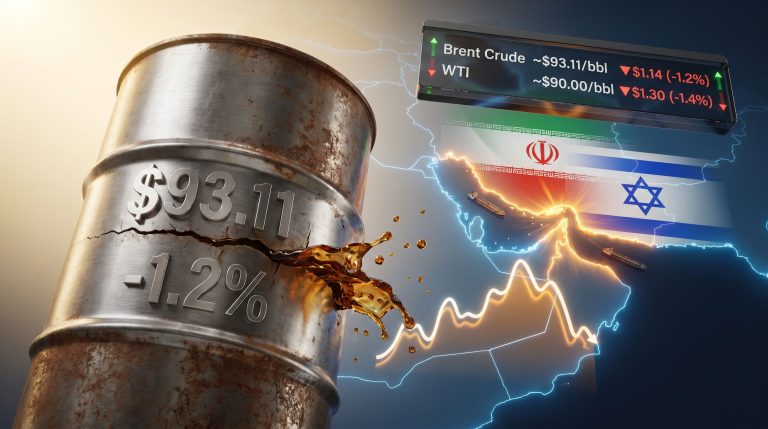
The final cargo of Middle Eastern Gulf diesel arrived in Europe during the week prior to 24 April 2026, marking the end of a supply relationship that previously provided 20% of Europe's overall diesel imports. This supply cessation resulted from Strait of Hormuz disruptions connected to the US-Israel-Iran conflict that began in March 2026.
Import flow restructuring has created measurable impacts:
| Metric | April 2026 Performance | Historical Context |
|---|---|---|
| EU/UK diesel arrivals | 695,000 b/d | 38% month-on-month decline |
| Historical comparison | Lowest since 2016 | Vortexa/Kpler tracking baseline |
| Supply replacement need | 700,000 b/d (estimated) | 20% of total import requirement |
The diesel shortage concerns have extended beyond European markets, affecting global supply chains and highlighting the interconnected nature of international fuel markets.
Alternative Sourcing Competition Framework
European markets face intensified competition for alternative diesel sources as multiple regions simultaneously seek Middle Eastern Gulf replacement volumes. Primary alternative sourcing regions present capacity constraints:
North Sea Production:
• Limited growth potential due to mature basin characteristics
• Existing capacity committed to regional supply obligations
• Infrastructure optimisation reaching maximum efficiency levels
West African Sources (Nigeria, Angola):
• Limited incremental capacity available for European export
• Competing demand from regional African markets
• Logistical cost structures affecting competitive positioning
Southeast Asian Refineries:
• Strong competing regional demand limiting export availability
• Transportation cost disadvantages for European delivery
• Product specification differences requiring blending adjustments
Strategic Reserve Utilisation Capabilities
Government emergency product releases provide temporary relief mechanisms but operate within inherent constraints that limit effectiveness during extended supply disruptions. European emergency protocols favour product releases over crude-based interventions, recognising the specific nature of middle distillate supply challenges.
Strategic reserve deployment faces several operational limitations:
• Finite inventory levels requiring careful depletion management
• Geographic distribution constraints limiting regional accessibility
• Product specification requirements affecting utilisation flexibility
• Replenishment challenges during ongoing supply disruptions
Furthermore, Australian emergency fuel protocols demonstrate similar approaches to reserve utilisation, highlighting global recognition of the importance of maintaining strategic petroleum stocks during supply emergencies.
Government Intervention Impact on Market Mechanics
Policy responses across European markets have created complex intervention frameworks that simultaneously support demand whilst potentially constraining supply-side flexibility. These interventions reflect attempts to balance consumer protection objectives with market functionality preservation, though effectiveness varies significantly across implementation approaches. Additionally, OPEC market influence continues to shape policy decisions and intervention strategies.
Emergency Release Program Technical Implementation
Strategic petroleum reserve activation protocols demonstrate sophisticated prioritisation mechanisms designed to maximise impact during supply-constrained periods. European frameworks deliberately favour product-focused releases over crude-based interventions, recognising that refinery processing delays would limit immediate market impact.
Product release mechanisms operate through:
- Priority sector identification focusing on essential services and transportation
- Regional allocation frameworks ensuring geographic distribution efficiency
- Commercial integration protocols maintaining market price discovery mechanisms
- Inventory rotation strategies preventing storage quality degradation
Fiscal Policy Demand Management Tools
European governments implemented fuel duty reduction programs as the primary demand-side intervention mechanism. These fiscal tools aim to mitigate demand destruction whilst maintaining consumption patterns critical to economic stability.
Fuel duty reduction implementation varies across jurisdictions:
• Temporary reduction magnitudes ranging from 5-15% of retail pricing
• Implementation timeframes typically spanning 3-6 month periods
• Renewal mechanisms allowing extension during continued supply stress
• Revenue replacement strategies addressing fiscal impact through alternative sources
Market participants noted that government intervention in diesel markets may create unintended supply strain by preventing natural demand destruction that would otherwise reduce supply pressure. This intervention paradox reflects the challenge of balancing economic stability objectives with market clearing mechanisms.
Technical Supply Constraint Indicators
Statistical analysis of supply-demand balance projections reveals concerning trends that suggest heightened vulnerability during summer operational periods. Key performance indicators demonstrate systematic deterioration in supply security metrics, with inventory depletion rates exceeding historical norms whilst import replacement capabilities remain constrained. The geopolitical market impacts extend beyond regional boundaries, affecting global pricing mechanisms and supply allocation decisions.
Critical Inventory Performance Metrics
ARA Hub Independent Storage Analysis:
| Performance Indicator | Current Status | Historical Context | Risk Assessment |
|---|---|---|---|
| Independent stock levels | 11% two-week decline | 8-month low threshold | Critical depletion risk |
| German heating oil stocks | 6+ year minimum | Unprecedented consumer draw | Demand-side vulnerability |
| German diesel inventory | 21-week low | Regional oversupply reversal | Supply redistribution stress |
| Barge premium volatility | $78/t to $9/t weekly | Extreme compression rate | Market instability indicator |
Import Replacement Capability Assessment
Supply Gap Quantification:
The 695,000 barrel-per-day April arrival rate, representing a 38% month-on-month decline, establishes baseline measurement for replacement sourcing requirements. If this figure represents approximately 80% of normal import patterns, historical import levels approximated 870,000 barrels per day, indicating a 175,000 barrel-per-day immediate sourcing gap.
When combined with the 20% Middle Eastern Gulf import share elimination, total replacement sourcing requirements approach 700,000 barrels per day across alternative supply routes. This magnitude exceeds available spare capacity from identified alternative sources.
Operational Risk Framework Analysis
Infrastructure Bottleneck Assessment:
Alternative supply route analysis reveals capacity constraints affecting European diesel security:
Transportation Infrastructure Limitations:
• Rhine River capacity utilisation approaching maximum during low-water periods
• Port terminal throughput constraints during peak import periods
• Pipeline distribution capacity limitations affecting inland delivery
Processing Capacity Constraints:
• Refinery maintenance scheduling conflicts with peak demand periods
• Product specification flexibility limitations affecting feedstock substitution
• Storage terminal capacity allocation priorities during supply stress
Emergency Response Capability Gaps:
• Strategic reserve deployment timing delays affecting immediate availability
• Cross-border coordination requirements limiting response speed
• Product quality specification requirements constraining sourcing flexibility
Strategic Market Evolution Adaptations
Long-term supply chain resilience development requires fundamental restructuring of European diesel sourcing and distribution strategies. Market participants increasingly recognise that current supply disruptions may represent permanent rather than temporary conditions, necessitating strategic adaptations across infrastructure, sourcing, and operational frameworks.
Supply Source Diversification Imperatives
Alternative Supply Route Development:
Market evolution toward resilient supply chains requires systematic diversification across multiple dimensions:
Geographic Diversification Strategies:
• Atlantic Basin sourcing expansion through enhanced North and South American relationships
• Mediterranean production capacity development including North African partnerships
• Intra-European optimisation maximising regional refinery output coordination
• Strategic alliance development with non-traditional suppliers offering long-term agreements
Logistical Infrastructure Enhancement:
• Storage capacity expansion creating strategic buffer inventory capabilities
• Transportation route redundancy reducing single-point-of-failure vulnerabilities
• Cross-border coordination mechanisms improving crisis response effectiveness
• Digital monitoring systems providing real-time supply chain visibility
Technology Integration for Operational Resilience
Refinery Configuration Optimisation:
Processing facility adaptations focus on maximising middle distillate yield through:
- Hydrocracking unit upgrades improving diesel production efficiency
- Product slate flexibility enabling rapid response to market conditions
- Feedstock diversification reducing dependence on specific crude grades
- Energy integration optimisation improving overall facility economics
Supply Chain Digitalisation:
Advanced monitoring and forecasting systems enable:
• Predictive analytics for supply disruption early warning
• Real-time inventory tracking across regional storage networks
• Automated rebalancing protocols optimising distribution efficiency
• Risk assessment integration supporting strategic decision-making
Market Structure Evolution Patterns
Commercial Relationship Restructuring:
Short-term diesel supply at ARA faces fundamental changes in commercial arrangements as market participants adapt to new risk profiles:
Contract Structure Innovation:
• Longer-term supply agreements providing volume security during disruptions
• Force majeure clause evolution addressing geopolitical risk allocation
• Price mechanism adaptation incorporating volatility management tools
• Strategic partnership development creating preferential supply access
Financial Risk Management Evolution:
• Volatility hedging strategies incorporating extreme price movement scenarios
• Credit facility expansion supporting inventory financing during price spikes
• Insurance product development covering supply disruption risks
• Government guarantee programs supporting strategic supply investments
The next major ASX story will hit our subscribers first
Frequently Asked Questions About ARA Diesel Supply Operations
What factors determine short-term diesel supply at ARA hub stability during supply disruptions?
Short-term diesel supply at ARA depends on three primary factors: refinery throughput optimisation strategies that maximise middle distillate production during high-margin periods, strategic inventory management approaches that balance cost-carry considerations with supply security objectives, and cross-border logistics coordination that enables temporary supply redistribution from oversupply regions. The combination of these factors determines immediate supply availability, though their effectiveness varies based on regional demand patterns and geopolitical conditions affecting traditional supply routes.
How do Rhine River logistics affect regional diesel distribution patterns?
Rhine River transportation serves as a critical flexibility mechanism for regional supply rebalancing, typically moving products northward from ARA refineries into German distribution networks. However, during periods of German regional oversupply, reverse flows become economically viable, providing temporary relief to ARA markets. These logistics patterns depend on relative price differentials, barge transportation costs, and regional demand variations. River navigability conditions, particularly during low-water periods, can constrain capacity and affect transportation economics.
What emergency measures exist for managing severe diesel supply shortages?
European emergency response frameworks include strategic petroleum reserve activation protocols that prioritise product releases over crude-based interventions, recognising immediate market impact requirements. Government fiscal policy tools, primarily fuel duty reductions, aim to mitigate demand destruction whilst maintaining essential consumption patterns. Cross-border coordination mechanisms enable priority sector allocation and resource sharing during crisis periods. However, these measures operate within finite capacity constraints and cannot indefinitely replace commercial supply sources.
How do market participants assess summer supply security for diesel markets?
Summer supply security assessment focuses on replacement sourcing capacity for traditional Middle Eastern Gulf imports, which previously provided 20% of European diesel supply. Market participants evaluate alternative supply route availability, competitive positioning for available volumes, strategic reserve deployment capabilities, and refinery maintenance scheduling impacts on regional production. Current indicators suggest heightened vulnerability due to constrained alternative sourcing, elevated competition for available supplies, and inventory depletion rates exceeding historical norms.
What long-term adaptations are emerging in response to supply route disruptions?
Strategic adaptations include supply source geographic diversification beyond traditional suppliers, infrastructure investment in storage capacity and transportation route redundancy, refinery configuration optimisation for middle distillate yield maximisation, and commercial relationship restructuring toward longer-term supply agreements with enhanced risk allocation mechanisms. Technology integration through advanced monitoring and predictive analytics systems supports improved supply chain visibility and crisis response capabilities.
Investment and market analysis disclaimer: This analysis contains forward-looking assessments based on current market conditions and available data. Supply chain disruptions, geopolitical developments, and regulatory changes may significantly impact actual outcomes. Readers should conduct independent research and consult qualified professionals before making investment or operational decisions based on this information.
Searching for Energy Investment Opportunities?
Discovery Alert's proprietary Discovery IQ model delivers real-time alerts on significant mineral discoveries across diverse commodity sectors, including energy-critical minerals essential to global supply chains. With market volatility creating both risks and opportunities, subscribers gain immediate insights into actionable trading prospects while understanding how major mineral discoveries can generate substantial returns. Begin your 14-day free trial today to secure your market-leading advantage.