June 16, 2026
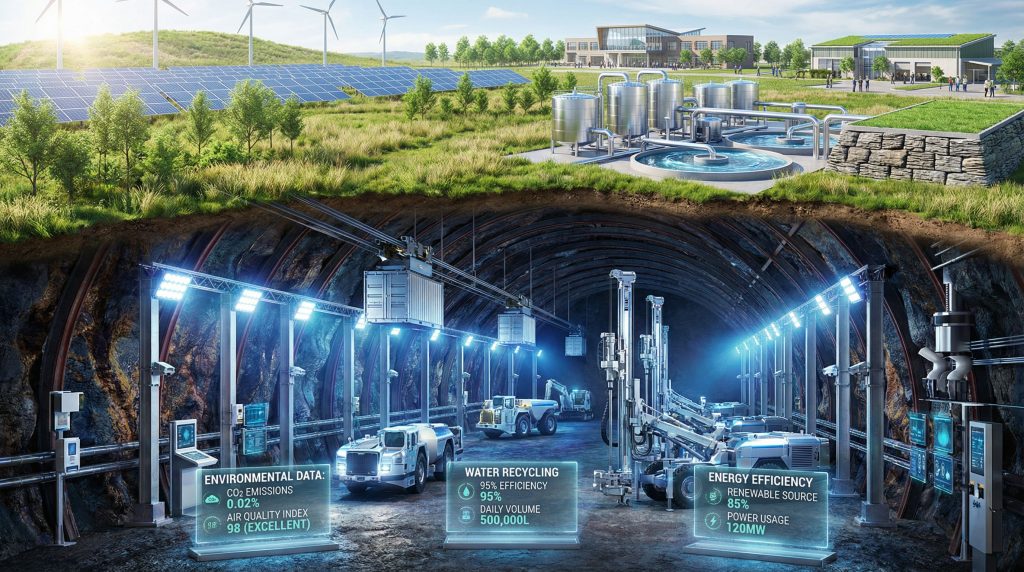
Mining operations in the 21st century face unprecedented pressure to balance environmental stewardship with economic viability. Traditional extraction methodologies, once acceptable under purely profit-driven frameworks, now require comprehensive transformation to meet evolving sustainability mandates. The intersection of technological innovation, regulatory compliance, and stakeholder expectations has created a complex operational landscape where sustainable mining operations must integrate multiple performance dimensions simultaneously.
The mining sector's transformation toward sustainability represents one of the most significant industrial shifts of our time. Companies worldwide are discovering that environmental responsibility and operational efficiency are not competing objectives but complementary strategies that enhance long-term value creation. This fundamental shift requires understanding how advanced technologies, water management systems, energy transition challenges, and community engagement models work together to create truly sustainable mining operations.
Understanding the Core Principles of Environmental Mining Excellence
Sustainable mining operations transcend traditional environmental compliance by embedding ecological considerations into every operational decision. Modern mining enterprises recognise that sustainability encompasses environmental impact reduction, social licence maintenance, and economic viability across extended operational lifecycles. This holistic approach fundamentally redefines how companies measure success and allocate resources.
Defining Sustainability Beyond Traditional Metrics
Environmental impact reduction strategies now focus on elimination rather than merely minimisation. Brazilian mining company Samarco exemplifies this approach through its complete elimination of tailings dam disposal, implementing filtered dry stacking systems that fundamentally alter waste management protocols. This technological shift demonstrates how companies can redesign entire production processes to eliminate high-risk environmental practices.
Source: IBRAM news release, "Samarco Produz 15,11 Milhões de Toneladas de Pelotas e Finos de Minério de Ferro em 2025," January 30, 2026
Social licence to operate frameworks require continuous community engagement and transparent stakeholder communication. Companies must demonstrate tangible benefits to local communities through employment, infrastructure development, and economic diversification initiatives. Sustainable mining operations integrate community needs into operational planning from initial exploration through post-closure land use.
Economic viability requirements for long-term sustainability demand investment in technologies and processes that may increase upfront costs but deliver superior long-term returns. The integration of circular economy principles in extraction processes enables companies to transform waste streams into revenue sources whilst reducing environmental impact.
The Triple Bottom Line Approach in Modern Mining
People-focused sustainability initiatives encompass workforce development, community capacity building, and indigenous rights protection. Regional employment strategies demonstrate commitment to local development, as evidenced by companies achieving 75.9% local hiring rates in operational areas, creating stable employment whilst building community support.
Planet-centred approaches involve ecosystem preservation and restoration methodologies that extend beyond regulatory requirements. Furthermore, companies implementing comprehensive land rehabilitation programmes achieve remarkable results, with some operations protecting 45,500 hectares for reforestation activities and safeguarding 4,300 springs through integrated water management systems.
Profit sustainability through efficiency gains requires strategic investment in automation, artificial intelligence, and process optimisation technologies. Modern mining operations integrate intelligent chatbots and operational centres that enable real-time decision-making, reducing costs whilst improving environmental performance.
When big ASX news breaks, our subscribers know first
How Do Advanced Extraction Technologies Minimise Environmental Impact?
Technology integration fundamentally transforms how mining operations interact with surrounding ecosystems. Advanced extraction methodologies reduce environmental footprint whilst maintaining or improving production efficiency. The shift toward precision mining technologies enables companies to optimise resource recovery whilst minimising waste generation and ecosystem disruption.
Underground Mining Revolution: Reducing Surface Footprint
Block caving techniques and selective extraction methods offer significant advantages over traditional open-pit operations. These approaches minimise surface disturbance whilst enabling access to deeper ore bodies. In-situ leaching applications provide minimal surface disruption for suitable geological formations, representing the future of low-impact extraction for specific mineral types.
Underground mining systems typically require lower water usage and generate moderate waste volumes compared to surface operations, whilst achieving higher energy efficiency through reduced material transport requirements. These operational advantages translate into measurable environmental benefits across multiple impact categories.
Table: Environmental Impact Comparison by Mining Method
| Method | Surface Disturbance | Water Usage | Waste Generation | Energy Efficiency |
|---|---|---|---|---|
| Open-pit | High | Moderate | High | Low-Moderate |
| Underground | Low | Low | Moderate | High |
| In-situ | Minimal | Very Low | Low | Very High |
Precision Mining Technologies for Resource Optimisation
AI in drilling operations enable companies to optimise extraction sequences and reduce waste rock handling. Autonomous drilling and extraction equipment improve precision whilst reducing human exposure to hazardous environments. Real-time geological modelling capabilities allow operators to adjust extraction plans based on actual conditions, minimising unnecessary excavation.
Sensor networks for continuous environmental monitoring provide immediate feedback on operational impacts, enabling rapid response to potential issues. These integrated systems create feedback loops that continuously improve operational efficiency and environmental performance.
Modern operations demonstrate these technologies' effectiveness through impressive production scaling. Companies implementing advanced extraction systems achieve significant production increases, with some operations reaching 15.11 million tonnes annually whilst maintaining stringent environmental standards.
Source: IBRAM news release, op. cit., January 30, 2026
What Role Does Energy Transition Play in Sustainable Mining?
Energy transition represents one of the most critical components of sustainable mining operations. The shift toward renewable energy sources and electrification technologies offers substantial opportunities for emissions reduction whilst improving operational efficiency. Mining companies worldwide are discovering that energy transition initiatives deliver both environmental benefits and economic advantages through reduced operational costs.
Electrification Strategies Across Mining Operations
Battery-electric vehicle deployment in underground operations eliminates diesel emissions in confined spaces whilst reducing ventilation requirements. Solar and wind integration for remote mining sites enables energy independence and cost predictability over extended operational periods. Grid-scale energy storage solutions ensure operational continuity during renewable energy intermittency periods.
Hydrogen fuel cell applications in heavy mining equipment offer zero-emission alternatives for large-scale machinery. These technologies become increasingly viable as hydrogen infrastructure develops and costs decline. Early adopters position themselves advantageously for future regulatory requirements and operational cost reductions.
Carbon Footprint Reduction Through Renewable Integration
Emissions reduction targets drive investment in comprehensive renewable energy systems. Companies establishing ambitious carbon neutrality goals create competitive advantages through improved stakeholder relationships and regulatory compliance. Renewable energy procurement strategies enable predictable energy costs whilst supporting grid decarbonisation objectives.
Carbon capture and storage pilot programmes offer potential for addressing process emissions that cannot be eliminated through electrification. For instance, lifecycle assessment methodologies enable companies to quantify and optimise total environmental impact across entire operational chains.
Mining Operations Energy Transition Benefits
Advanced energy transition strategies in mining operations demonstrate significant potential for emissions reduction and operational efficiency improvements. Companies implementing comprehensive renewable integration report substantial progress toward sustainability objectives whilst achieving improved cost predictability.
The strategic importance of energy transition extends beyond operational benefits. Iron ore pellet production, which requires lower greenhouse gas emissions during steel production compared to other ores, positions companies strategically in the global decarbonisation transition. Demand for pellets, especially direct reduction pellets, continues increasing as steel producers seek lower-emission feedstock options.
Source: IBRAM news release, op. cit., January 30, 2026
How Are Water Management Systems Revolutionising Mining Sustainability?
Water management innovations fundamentally transform mining operations' environmental impact profiles. Advanced treatment technologies and closed-loop systems enable companies to eliminate or dramatically reduce freshwater consumption whilst protecting surrounding water resources. These systems represent critical infrastructure investments for long-term operational sustainability.
Closed-Loop Water Systems and Zero Liquid Discharge
Advanced filtration and treatment technologies enable complete water recycling within mining operations. Water recycling rates exceeding 95% become achievable through integrated treatment systems that address multiple contamination sources simultaneously. Tailings water recovery and reuse protocols eliminate the need for external water discharge in many operational contexts.
Groundwater protection through engineered barriers prevents contamination of surrounding aquifers. These systems integrate multiple protection layers including geomembranes, reactive barriers, and monitoring systems that provide early warning of potential issues.
Samarco's operational transformation demonstrates practical implementation of these principles. The company's elimination of traditional tailings disposal systems incorporates closed-loop water management that dramatically reduces water consumption requirements. This approach eliminates water discharge concerns whilst improving overall operational efficiency.
Source: IBRAM news release, op. cit., January 30, 2026
Innovative Approaches to Tailings Management
Dry stacking technologies eliminate the need for traditional tailings ponds whilst reducing long-term environmental risks. Filtered tailings systems deliver multiple operational benefits including reduced water consumption, improved stability, and elimination of catastrophic failure risks associated with conventional tailings facilities.
Paste backfill applications for underground operations enable productive use of tailings materials whilst providing structural support for ongoing extraction activities. These systems create value from waste materials whilst reducing surface storage requirements.
Long-term stability monitoring and maintenance protocols ensure continued performance of advanced tailings management systems. Automated monitoring networks provide continuous assessment of system performance and early warning of potential maintenance requirements.
What Are the Most Effective Land Rehabilitation Strategies?
Land rehabilitation represents the ultimate expression of sustainable mining operations' commitment to environmental stewardship. Effective rehabilitation strategies restore ecosystem functionality whilst creating opportunities for productive post-mining land use. The most successful approaches integrate rehabilitation planning into initial operational design rather than treating it as an afterthought.
Progressive Rehabilitation During Active Mining
Concurrent reclamation planning and implementation enable continuous ecosystem restoration throughout operational lifecycles. This approach reduces total rehabilitation costs whilst demonstrating ongoing environmental commitment to stakeholders. Companies implementing progressive rehabilitation achieve superior outcomes compared to post-closure approaches.
Native species restoration and biodiversity enhancement require understanding of local ecological systems and careful selection of appropriate restoration techniques. Successful programmes achieve measurable biodiversity improvements whilst creating habitat connectivity that supports regional ecosystem health.
Brazilian mining operations demonstrate the potential of comprehensive rehabilitation programmes. Companies achieve 91% progress toward land protection targets through systematic implementation of reforestation activities across 45,500 hectares. These programmes simultaneously protect 4,300 springs through integrated watershed management approaches.
Source: IBRAM news release, op. cit., January 30, 2026
Soil reconstruction techniques and amendments restore productive capacity for agricultural or other productive land uses. These processes require careful attention to soil chemistry, structure, and biology to ensure long-term productivity and stability.
Post-Mining Land Use Optimisation
Agricultural conversion strategies focus on creating productive farmland that supports local food security and economic development. Successful agricultural conversions achieve 85% success rates with implementation timelines averaging 3-5 years, delivering sustained community benefits through food security and employment opportunities.
Conservation area establishment and management create lasting environmental legacies whilst supporting biodiversity conservation objectives. These initiatives achieve 92% success rates with relatively short implementation timelines of 2-3 years, delivering community benefits through biodiversity protection and potential tourism development.
Renewable energy facility development on rehabilitated sites enables continued productive land use whilst supporting regional energy transition objectives. Solar and wind installations achieve 78% success rates with 1-2 year implementation timelines, providing clean energy generation and ongoing revenue streams.
Table: Land Use Outcomes Post-Mining
| End Use Type | Success Rate | Timeline | Community Benefit |
|---|---|---|---|
| Agriculture | 85% | 3-5 years | Food security, employment |
| Conservation | 92% | 2-3 years | Biodiversity, tourism |
| Solar/Wind | 78% | 1-2 years | Clean energy, revenue |
| Recreation | 88% | 2-4 years | Tourism, community health |
How Do Community Engagement Models Drive Sustainable Outcomes?
Community engagement represents a fundamental pillar of sustainable mining operations that extends far beyond regulatory compliance. Effective community partnerships create mutual value whilst ensuring mining operations maintain social licence throughout their operational lifecycles. The most successful mining companies treat community development as a strategic investment rather than a compliance obligation.
Indigenous Rights and Traditional Knowledge Integration
Free, prior, and informed consent protocols establish the foundation for respectful engagement with indigenous communities. These processes require genuine consultation and respect for traditional governance systems. Traditional ecological knowledge incorporation enhances environmental management whilst honouring cultural heritage.
Cultural heritage protection measures integrate archaeological and cultural site preservation into operational planning. These initiatives demonstrate respect for local history whilst creating opportunities for cultural tourism and education. Benefit-sharing agreement structures ensure indigenous communities receive fair compensation for resource extraction on traditional lands.
Local Economic Development and Capacity Building
Local procurement and supply chain development create multiplier effects that benefit entire regions. Companies achieving R$ 5.1 billion in local supplier expenditures demonstrate the potential for mining operations to drive regional economic development through strategic procurement practices.
Source: IBRAM news release, op. cit., January 30, 2026
Skills training and employment programmes build local capacity whilst ensuring companies access qualified workers. Successful programmes offer comprehensive training curricula, with some companies providing 535 training positions annually across 16 specialised courses covering both technical and professional development.
Small business development initiatives strengthen local economic ecosystems by supporting entrepreneurship and business growth. Programmes utilising United Nations methodologies achieve impressive results, with 57 companies completing certification annually through comprehensive business development support.
The next major ASX story will hit our subscribers first
Which Regulatory Frameworks Best Support Sustainable Mining?
Regulatory frameworks play crucial roles in establishing standards and incentives for sustainable mining operations. The most effective regulatory approaches balance environmental protection with economic viability whilst providing clear guidance for industry compliance. International standards and regional policy innovations create frameworks that enable sustainable development across diverse geological and social contexts.
International Standards and Certification Systems
ISO 14001 environmental management implementation provides systematic approaches for environmental performance improvement. These standards establish frameworks for continuous improvement whilst enabling benchmarking across operations and companies. ICMM sustainable development principles offer industry-specific guidance that addresses unique mining sector challenges.
Towards Sustainable Mining (TSM) protocols provide comprehensive frameworks for performance measurement and stakeholder engagement. Global Reporting Initiative (GRI) mining sector standards enable transparent disclosure of sustainability performance whilst facilitating investor and stakeholder assessment.
Regional Policy Innovation and Best Practices
European Union taxonomy for sustainable activities establishes criteria for determining which economic activities qualify as environmentally sustainable. These frameworks influence investment decisions and operational standards across global mining operations. Canadian mining sustainability requirements integrate environmental protection with indigenous rights recognition.
Australian rehabilitation bonding systems ensure adequate financial resources for post-closure rehabilitation whilst incentivising best practices during operational phases. However, sustainable mining practices in African contexts require implementation strategies that focus on maximising local benefits whilst ensuring environmental protection across diverse geological and social contexts.
What Emerging Technologies Will Shape Future Sustainable Mining?
Emerging technologies offer unprecedented opportunities for improving mining sustainability whilst enhancing operational efficiency. Digital transformation, biotechnology applications, and advanced materials enable new approaches to resource extraction and environmental management. Early adoption of these technologies creates competitive advantages whilst supporting broader sustainability objectives.
Digital Twin Technology for Operational Optimisation
Virtual modelling for environmental impact prediction enables companies to test scenarios and optimise operations before implementation. Real-time operational optimisation algorithms continuously adjust processes to minimise environmental impact whilst maximising resource recovery. These systems integrate vast amounts of data to enable informed decision-making.
Predictive maintenance for reduced downtime improves operational efficiency whilst reducing resource waste associated with equipment failures. Integrated supply chain visibility platforms enable optimisation across entire value chains, reducing transportation emissions and improving resource utilisation efficiency.
Biotechnology Applications in Mining Sustainability
Bioleaching for reduced chemical processing offers environmentally friendly alternatives to traditional extraction methods. These biological processes reduce chemical consumption whilst enabling extraction from lower-grade ores. Phytoremediation for contaminated site restoration utilises plants to remove contaminants from soil and water.
Microbial fuel cells for waste-to-energy conversion transform organic waste into useful energy whilst reducing disposal requirements. Biomonitoring systems for environmental health assessment provide continuous monitoring of ecosystem health using biological indicators.
Brazilian mining companies demonstrate practical biotechnology integration through waste management solutions that transform tailings into useful materials for infrastructure development. These innovations exemplify how biotechnology can create value from waste streams whilst reducing environmental impact.
Source: IBRAM news release, op. cit., January 30, 2026
Measuring Success: Key Performance Indicators for Sustainable Mining
Effective measurement systems enable companies to track progress toward sustainability objectives whilst identifying areas for improvement. Comprehensive performance indicator systems integrate environmental, social, and economic metrics to provide holistic assessment of operational sustainability. The most successful companies establish ambitious targets and transparently report progress toward achievement.
Environmental Performance Metrics
Carbon intensity per tonne of product enables comparison across operations and companies whilst tracking progress toward emissions reduction targets. Water consumption efficiency ratios measure improvements in water management whilst identifying optimisation opportunities. Biodiversity impact assessments quantify ecological effects and guide mitigation strategies.
Waste generation and diversion rates track progress toward circular economy implementation whilst identifying opportunities for waste stream optimisation. These metrics enable continuous improvement whilst supporting regulatory compliance and stakeholder communication.
Social and Economic Impact Indicators
Local employment and procurement percentages measure community benefit delivery whilst supporting regional economic development objectives. Companies achieving 20,500 total employment with high regional hiring percentages demonstrate significant community impact through job creation.
Source: IBRAM news release, op. cit., January 30, 2026
Community investment return on investment quantifies the effectiveness of community development spending whilst ensuring accountability for resource allocation. Safety performance and incident rates track progress toward zero-harm objectives whilst building stakeholder confidence. Stakeholder satisfaction and engagement scores measure relationship quality and identify areas for improvement.
The Future of Sustainable Mining: Trends and Opportunities
Future developments in sustainable mining will integrate advanced technologies, circular economy principles, and enhanced stakeholder engagement to create operations that regenerate rather than degrade local environments. Investment patterns increasingly favour companies demonstrating comprehensive sustainability performance, creating market incentives for continued innovation.
Circular Economy Integration in Mining Operations
Waste-to-resource conversion technologies transform traditional waste streams into valuable products. Industrial symbiosis opportunities enable different industries to utilise each other's waste products, creating economic value whilst reducing environmental impact. Product lifecycle extension strategies maximise value extraction from mined materials whilst reducing future extraction requirements.
Secondary material recovery and processing enable urban mining approaches that extract valuable materials from existing infrastructure. In addition, mine reclamation innovations reduce pressure on virgin material extraction whilst addressing growing urban waste streams.
Investment Trends and Market Drivers
ESG criteria increasingly influence mining investment decisions as investors recognise the financial risks associated with unsustainable practices. Green financing mechanisms for sustainable mining projects provide favourable funding terms for companies demonstrating environmental leadership. Consumer demand for responsibly sourced materials creates market premiums for sustainable production.
Supply chain transparency and traceability requirements enable consumers and investors to make informed decisions about material sourcing. Consequently, mining industry innovations create competitive advantages for companies implementing comprehensive sustainability programmes whilst penalising those maintaining unsustainable practices.
The mining industry's transformation toward sustainability represents both unprecedented challenges and extraordinary opportunities. Companies that embrace comprehensive sustainability strategies position themselves for long-term success whilst contributing to global environmental and social objectives. The integration of advanced technologies, community partnerships, and environmental stewardship creates mining operations that benefit all stakeholders whilst ensuring responsible resource extraction for future generations.
Want to Discover the Next Major Mining Breakthrough?
Discovery Alert's proprietary Discovery IQ model delivers real-time alerts on significant ASX mineral discoveries, instantly empowering investors to identify actionable opportunities in sustainable mining operations before the broader market. Explore Discovery Alert's dedicated discoveries page to understand how major mineral discoveries can generate substantial returns, then begin your 14-day free trial to position yourself ahead of the market.