June 9, 2026
The Technical Architecture Behind Modern Subsurface Engineering Workflows
Mining operations today face unprecedented complexity in managing subsurface data across multiple engineering disciplines. Traditional approaches to geotechnical characterisation often create fragmented workflows where field investigations, laboratory testing, and engineering analysis exist in isolated systems. This fragmentation introduces significant risks to project timelines, data integrity, and regulatory compliance across the mining sector.
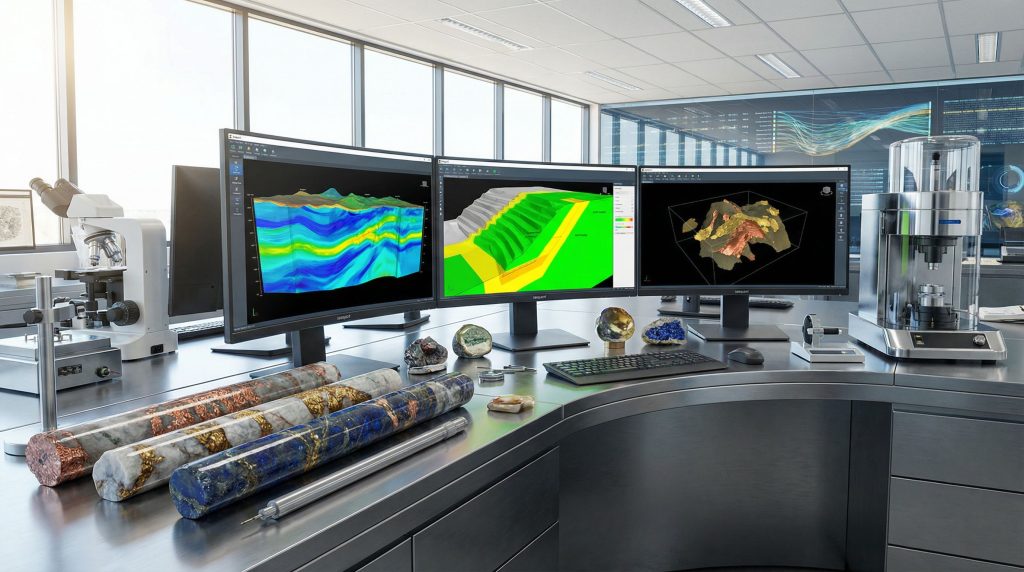
The evolution toward integrated Seequent geotechnical data management represents a fundamental shift in how mining companies approach subsurface risk assessment. Modern platforms now connect field sampling protocols directly with laboratory testing procedures, creating seamless workflows that eliminate manual data transfer bottlenecks and reduce the potential for human error in critical engineering calculations.
Understanding these integrated systems requires examining both their technical architecture and operational implementation across different phases of mining project development. Furthermore, the mining industry evolution demonstrates how technological advancement continues to reshape traditional practices.
When big ASX news breaks, our subscribers know first
Understanding Modern Geotechnical Data Challenges in Mining
What Makes Geotechnical Data Management Critical for Mining Success?
Mining operations depend on accurate subsurface characterisation to make informed decisions about slope stability, foundation design, and excavation planning. Traditional data collection methods often result in information scattered across multiple platforms, creating barriers to comprehensive risk assessment.
Key challenges include:
• Data fragmentation across multiple collection points and testing phases
• Integration bottlenecks between field investigations and laboratory analysis
• Compliance requirements for engineering documentation and reporting
• Risk mitigation through comprehensive subsurface characterisation
Why Traditional Data Silos Limit Mining Project Efficiency
Legacy systems often force geotechnical teams to work with disconnected workflows that hinder collaboration between field personnel, laboratory technicians, and design engineers. These silos create several operational inefficiencies:
• Disconnected workflows between geotechnical teams and design engineers
• Manual data transfer processes creating accuracy and timing delays
• Limited real-time collaboration capabilities across project stakeholders
• Inconsistent data standards hampering cross-project knowledge transfer
The mining industry has recognised these limitations and increasingly demands integrated solutions that can unify subsurface data management across the entire project lifecycle. Consequently, data‑driven mining operations are becoming the new standard for efficient resource extraction.
Seequent geotechnical data management Platform Architecture
Core Platform Components and Their Operational Functions
Seequent, operating as the Bentley Subsurface company, has developed an integrated ecosystem that addresses traditional data management challenges through cloud-connected workflows. The platform architecture incorporates multiple specialised components designed for different aspects of geotechnical analysis:
| Platform Component | Primary Function | Key Technical Capabilities |
|---|---|---|
| OpenGround | Data Management & Reporting | Cloud-connected workflows, automated test certificates, enterprise security |
| PLAXIS | Finite Element Analysis | Ground-structure interaction modelling, stability assessment, seismic analysis |
| GeoStudio | Slope & Flow Modelling | 2D/3D deformation analysis, groundwater flow simulation, material modelling |
| Leapfrog Geo | 3D Geological Modelling | Dynamic geological interpretation, rapid data integration, visualisation |
How Laboratory Integration Enhances Field Data Quality
Recent updates to OpenGround have introduced enhanced laboratory testing capabilities that streamline the generation of standardised test certificates. Geotechnical laboratories can now generate Atterberg limits test certificates directly from raw laboratory data within the platform, eliminating traditional manual reporting processes.
This integration provides:
• Automated generation of standardised test certificates from raw laboratory data
• Seamless connection between field sampling protocols and lab testing workflows
• Real-time quality assurance through integrated data validation processes
• Standardised reporting formats ensuring consistency across testing facilities
The OpenGround Labs capability represents a significant advancement in connecting field investigations with laboratory testing, creating a unified workflow that maintains data integrity throughout the characterisation process. Moreover, this integration supports advanced 3D geological modelling techniques that enhance subsurface understanding.
Technical Implementation Framework for Mining Operations
Phase 1: Data Collection and Initial Processing
The implementation framework begins with structured data collection protocols that ensure compatibility across the integrated platform. This phase establishes the foundation for all subsequent analysis and modelling activities:
• Field investigation data capture through mobile-compatible interfaces
• Laboratory test result integration via automated data import protocols
• Quality control checkpoints ensuring data integrity throughout collection
• Metadata tagging for enhanced searchability and project organisation
Phase 2: Interpretation and Modelling Workflows
Once data collection establishes a comprehensive subsurface database, the platform enables advanced interpretation and modelling capabilities that leverage the integrated dataset:
• Dynamic 3D geological model development using integrated subsurface data
• Finite element analysis incorporating both field and laboratory parameters
• Slope stability assessments utilising comprehensive material property databases
• Groundwater flow modelling supporting mine design optimisation
Phase 3: Collaboration and Reporting Systems
The final implementation phase focuses on enabling collaborative workflows and generating standardised documentation that meets regulatory requirements:
• Multi-stakeholder access controls enabling secure project collaboration
• Automated report generation maintaining audit trails and version control
• Integration capabilities with CAD systems and structural analysis packages
• Cloud-based accessibility supporting remote team coordination
This three-phase approach ensures systematic implementation while maintaining operational continuity throughout the transition process. In addition, AI in drilling & blasting operations further enhances the overall mining workflow efficiency.
Operational Benefits for Mining Project Lifecycles
How Integrated Workflows Reduce Project Risk
Integrated Seequent geotechnical data management systems provide measurable improvements in project risk management through enhanced data quality and accessibility. Mining operations benefit from comprehensive subsurface characterisation that supports more informed design decisions and earlier identification of potential geotechnical challenges.
Risk reduction occurs through:
• Comprehensive subsurface characterisation supporting informed design decisions
• Early identification of geotechnical challenges through predictive modelling
• Standardised documentation processes ensuring regulatory compliance
• Historical data preservation enabling knowledge transfer between projects
Quantifying Efficiency Gains Through System Integration
The operational benefits of integrated geotechnical data management extend beyond risk reduction to include measurable efficiency improvements across multiple project phases:
• Reduced data processing time through automated workflows
• Improved accuracy via elimination of manual data transfer steps
• Enhanced collaboration through centralised data accessibility
• Accelerated project timelines via streamlined approval processes
These efficiency gains compound throughout the project lifecycle, creating significant value for mining operations that implement comprehensive integration strategies. Furthermore, subsurface data management capabilities continue evolving to meet industry demands.
Advanced Analytics and Predictive Capabilities
Machine Learning Integration for Geotechnical Assessment
Modern geotechnical data management platforms increasingly incorporate machine learning capabilities that enhance traditional engineering analysis methods. These advanced analytics tools can identify patterns in subsurface data that might not be apparent through conventional analysis approaches.
Advanced capabilities include:
• Pattern recognition algorithms identifying subsurface anomalies
• Predictive modelling for slope stability under varying conditions
• Automated correlation analysis between laboratory and field measurements
• Risk assessment frameworks incorporating historical performance data
Real-Time Monitoring and Adaptive Management
Integration with monitoring systems enables continuous model updating based on ongoing field observations. This adaptive approach allows mining operations to refine their understanding of subsurface conditions throughout the project lifecycle:
• Continuous data integration from ongoing monitoring systems
• Dynamic model updating based on new field observations
• Alert systems for critical parameter threshold exceedances
• Adaptive design recommendations based on evolving site conditions
These predictive capabilities represent a significant advancement over traditional static analysis approaches, enabling more responsive risk management strategies. However, successful implementation requires comprehensive understanding of technical requirements and operational constraints.
The next major ASX story will hit our subscribers first
Implementation Considerations for Mining Companies
Technical Infrastructure Requirements
Successful implementation of integrated geotechnical data management systems requires careful consideration of technical infrastructure capabilities. Mining operations must evaluate their current systems and identify necessary upgrades to support cloud-connected workflows.
Critical infrastructure considerations include:
• Cloud connectivity specifications for remote site operations
• Data security protocols meeting industry and regulatory standards
• Integration capabilities with existing mine planning software
• Scalability considerations for multi-site operations
Training and Change Management Strategies
The transition to integrated systems requires comprehensive change management programmes that address both technical training needs and workflow modifications. Successful implementations typically involve phased training programmes that allow teams to gradually adapt to new processes.
Key implementation strategies include:
• Workflow transition planning from legacy systems
• Staff training programmes for integrated platform utilisation
• Quality assurance protocols ensuring consistent implementation
• Performance metrics tracking system adoption and effectiveness
Organisations that invest in comprehensive training and change management typically achieve higher adoption rates and realise benefits more quickly than those implementing technology-only solutions. Additionally, insights from innovation expo insights provide valuable guidance for implementation planning.
Future Developments in Geotechnical Data Management
Emerging Technologies Shaping Industry Standards
The geotechnical data management sector continues evolving with emerging technologies that promise further improvements in data integration and analysis capabilities. These technological advances will likely reshape industry standards and expectations for subsurface characterisation.
Emerging technology trends include:
• Artificial intelligence applications in subsurface interpretation
• Internet of Things (IoT) integration for continuous monitoring
• Blockchain technology for immutable data record keeping
• Virtual and augmented reality applications for data visualisation
Industry Trends Driving Platform Evolution
Regulatory requirements and industry best practices continue driving demand for more sophisticated data management capabilities. Mining companies increasingly recognise the strategic value of comprehensive subsurface data integration.
Key industry trends include:
• Increased regulatory emphasis on digital documentation
• Growing demand for real-time project collaboration capabilities
• Integration requirements with broader mine automation systems
• Sustainability reporting needs incorporating geotechnical performance
These trends suggest continued evolution toward more integrated and intelligent geotechnical data management systems that can support increasingly complex mining operations.
Strategic Advantages of Integrated Geotechnical Management
Long-Term Value Creation Through System Integration
Mining companies that implement comprehensive Seequent geotechnical data management systems position themselves for long-term competitive advantages through improved project delivery reliability and enhanced operational efficiency. These systems create value through multiple mechanisms that compound over time.
Strategic advantages include:
• Enhanced project delivery reliability through comprehensive risk assessment
• Improved operational efficiency via streamlined data workflows
• Strengthened regulatory compliance through standardised documentation
• Competitive advantage through advanced analytical capabilities
Key Success Factors for Implementation
Successful implementation of integrated geotechnical data management requires attention to both technical and organisational factors. Companies that address these comprehensively typically achieve better outcomes and higher return on investment.
Critical success factors include:
• Comprehensive staff training ensuring effective platform utilisation
• Gradual transition strategies minimising operational disruption
• Regular system updates maintaining cutting-edge functionality
• Continuous performance monitoring optimising workflow efficiency
The mining industry's evolution toward integrated subsurface data management reflects broader trends in digital transformation and data-driven decision making. Consequently, organisations that embrace these changes while addressing implementation challenges will likely achieve significant competitive advantages in an increasingly complex operating environment.
Disclaimer: This analysis is based on publicly available information and industry trends. Mining companies should conduct their own technical evaluations and consult with qualified professionals before implementing new Seequent geotechnical data management systems. Technology capabilities and features may vary based on specific implementation requirements and licensing agreements.
Looking to Capitalise on Advanced Mining Technologies?
Discovery Alert's proprietary Discovery IQ model delivers real-time alerts on significant mineral discoveries from companies implementing cutting-edge technologies like integrated geotechnical data management systems. Visit our discoveries page to see how major technological advancements have historically driven substantial returns, then begin your 14-day free trial to position yourself ahead of the market in identifying the next breakthrough mining opportunity.