
July 15, 2026
Technical Innovation in Underground Mining Equipment Design
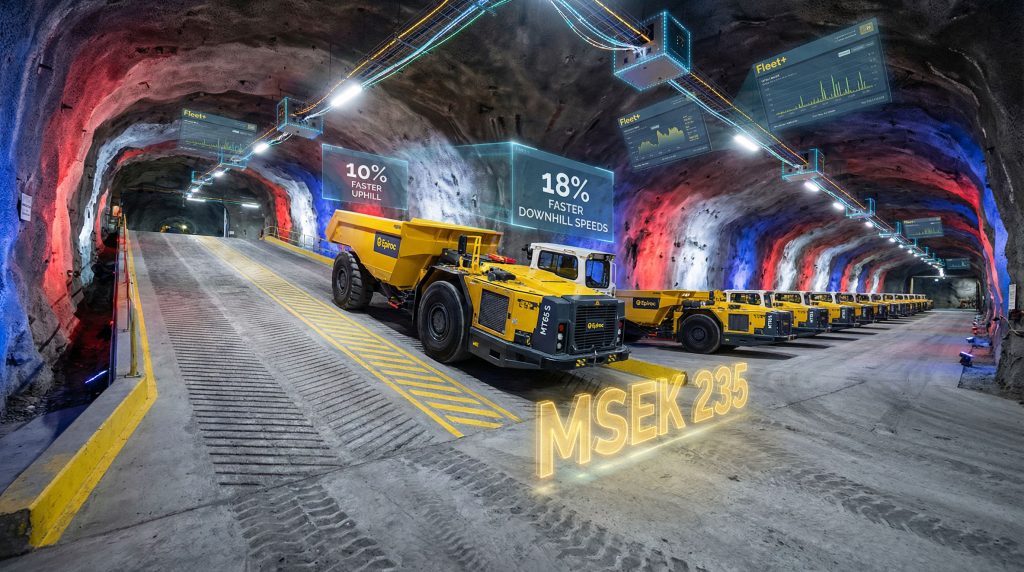
Modern underground copper extraction demands equipment that can handle the extreme conditions found thousands of feet below the earth's surface. The Epiroc Minetruck MT65 S delivery to Pucobre represents a significant advancement in mining technology, addressing unique challenges that surface mining never encounters: narrow corridors, steep inclines, limited ventilation, and the need to transport massive loads through confined spaces. Equipment failures in these environments don't just cost money – they can strand crews and halt production for days.
The latest generation of underground mining trucks represents a fundamental shift in how engineers approach these challenges. Rather than simply scaling down surface equipment, manufacturers are now designing purpose-built machines that optimise every component for underground conditions. Furthermore, these developments align with broader innovation trends reshaping the mining sector.
When big ASX news breaks, our subscribers know first
What Makes the Epiroc MT65 S a Game-Changer for Underground Copper Mining?
Advanced Engineering Features Driving Performance Gains
The engineering improvements in the MT65 S focus on three critical performance areas that directly impact underground copper mining operations. These modifications address the fundamental physics of moving heavy loads through challenging underground environments.
Performance Enhancement Specifications:
| Performance Metric | Improvement | Application Context |
|---|---|---|
| Uphill ramp speed | Up to 10% faster | Application-dependent optimisation |
| Downhill ramp speed | Up to 18% faster | Variable based on load conditions |
| Load capacity | 65-tonne classification | High-capacity underground operations |
| Automation readiness | Full integration capability | Future autonomous mining preparation |
The transmission optimisation represents a significant advancement in underground mining equipment design. The enhanced axle ratios work in conjunction with optimised gear selection algorithms to ensure power delivery occurs at precisely the right moment during both ascent and descent operations. This timing optimisation reduces fuel consumption whilst maximising power transfer efficiency.
The electrical system redesign moves beyond traditional component placement strategies. By positioning critical electrical components in more protected locations, the system reduces exposure to the harsh underground environment. This approach extends component lifespan and reduces the frequency of electrical failures that can disable equipment in hard-to-reach underground locations, particularly important for the underground engineering marvels being developed today.
Productivity Metrics That Matter in Underground Operations
Underground mining productivity depends heavily on equipment cycle times and reliability. The MT65 S addresses these factors through measurable performance improvements that translate directly into operational efficiency gains.
Critical Performance Improvement: The combination of 10% faster uphill speeds and 18% faster downhill speeds significantly reduces cycle times in underground transport operations, where ramp performance is the primary constraint on daily production volumes.
Cycle time optimisation becomes particularly important in narrow underground environments where equipment cannot easily pass each other. Faster individual vehicle performance directly translates to increased fleet throughput without requiring additional equipment units.
The 65-tonne capacity classification positions the MT65 S for larger-scale underground operations where maximising payload per trip reduces the total number of cycles required to move target volumes of ore. This capacity optimisation becomes increasingly valuable as mines deepen and transport distances increase.
How Does Fleet Digitalisation Transform Underground Mining Operations?
Fleet+ Technology Integration and Real-Time Analytics
Digital transformation in underground mining extends far beyond simple equipment monitoring. Modern fleet management systems create integrated operational intelligence that enables predictive decision-making and optimised resource allocation. However, successful implementation requires careful integration with data-driven operations.
Core Digital Capabilities:
• Machine Performance Tracking: Real-time monitoring through the My Epiroc interface provides continuous visibility into equipment performance metrics
• ShiftGoals Operational Management: Target control systems manage performance objectives by shift, enabling granular optimisation of operational intervals
• Fuel Consumption Optimisation: Advanced algorithms analyse operating patterns to identify fuel efficiency opportunities and implement automatic adjustments
• Integration with Existing Systems: Compatibility with established mine management infrastructure eliminates the need for complete system replacement
Data-driven decision making frameworks enable mine operators to move beyond reactive maintenance and operational adjustments. Instead of responding to equipment failures after they occur, digital systems provide early warning indicators that allow for planned interventions during scheduled maintenance windows.
Asset Health Monitoring Systems for Predictive Maintenance
High-frequency sensor data collection protocols generate comprehensive equipment health profiles that extend well beyond traditional maintenance schedules. These systems collect data points thousands of times per hour, creating detailed operational signatures for each piece of equipment.
The Asset Health Information Service processes this sensor data through advanced analytics to identify patterns that indicate developing problems before they cause equipment failures. Integration pathways with existing mine management systems ensure that maintenance alerts and recommendations flow directly into established operational workflows.
What is Asset Health Information Service?
Asset Health Information Service represents a comprehensive monitoring system that collects high-frequency data from equipment sensors and delivers real-time alerts through integration with client systems. This service enables advanced monitoring, condition traceability, and comprehensive fleet performance management support for underground mining operations. Moreover, the technology demonstrates how AI in mining continues to revolutionise traditional operations.
Why Did Pucobre Choose a 22-Unit Fleet Renewal Strategy?
Strategic Fleet Planning for Multi-Mine Operations
Fleet renewal decisions in underground copper mining require careful consideration of operational continuity, equipment standardisation, and long-term productivity objectives. The Epiroc Minetruck MT65 S delivery to Pucobre represents a comprehensive approach to modernising their underground operations across multiple facilities.
Pucobre Underground Operations Overview:
| Mine Facility | Operation Type | Regional Location | Strategic Function |
|---|---|---|---|
| Punta del Cobre | Underground copper extraction | Atacama Region | Primary production facility |
| Granate | Underground copper operations | Atacama Region | Secondary production site |
| Mantos de Cobre | Underground copper mining | Atacama Region | Integrated operations facility |
Cross-operational equipment utilisation models enable Pucobre to optimise fleet deployment across their three primary underground facilities. This approach allows for equipment sharing during maintenance periods and enables load balancing when one facility experiences higher production demands.
The staggered delivery approach across 2026-2027 minimises operational disruption whilst ensuring continuous equipment availability. Rather than replacing the entire fleet simultaneously, the phased delivery model maintains operational continuity whilst gradually introducing new capabilities.
Investment Analysis and ROI Projections
The financial commitment represents a significant investment in operational modernisation that extends well beyond equipment acquisition costs. This decision reflects broader trends in industry consolidation insights within the mining sector.
Contract Value Breakdown: The MSEK 235 (approximately US$26+ million) investment includes equipment, comprehensive service support, spare parts supply, and integrated digital solutions through the Fleet+ platform, representing a complete operational support ecosystem rather than simple equipment purchase.
Service and parts support integration creates a long-term partnership model that ensures equipment remains operational throughout its lifecycle. This integrated approach reduces the complexity of managing multiple vendor relationships whilst ensuring consistent parts availability and service quality.
The 2026-2027 delivery timeline optimisation allows Pucobre to align equipment deployment with operational schedules and budget cycles. This timeline also provides sufficient lead time for operator training and system integration without rushing implementation. According to Epiroc's corporate press releases, this represents part of an ongoing strategic partnership between the companies.
What Operational Challenges Does the MT65 S Address in Chilean Copper Mining?
Underground Transport Efficiency in Atacama Region Conditions
The Atacama Region presents unique operational challenges that require specialised equipment design considerations. High-altitude operations, extreme aridity, and temperature variations create operating conditions that accelerate component wear and stress mechanical systems.
Ramp performance requirements in deep underground environments become increasingly critical as mines extend deeper below surface level. The MT65 S addresses these challenges through engineering modifications specifically designed for Chilean copper mining conditions.
Environmental Operating Conditions:
• High-Altitude Operations: Equipment must maintain performance despite reduced atmospheric pressure and oxygen levels
• Arid Climate Impact: Dust infiltration and extreme dryness affect electrical components and mechanical systems
• Temperature Extremes: Equipment must operate reliably across wide temperature ranges found in underground environments
• Deep Underground Access: Extended ramp operations require sustained power delivery over long transport cycles
Component reliability for critical systems becomes paramount when equipment operates in locations that are difficult to access for emergency repairs. The MT65 S design philosophy prioritises component durability and maintenance accessibility to minimise unplanned downtime.
Safety and Ergonomic Enhancements for Operator Wellbeing
Operator safety and comfort directly impact operational efficiency and workforce retention in underground mining operations. Extended shifts in confined underground spaces create unique ergonomic challenges that require purposeful design solutions.
Cabin design improvements focus on operator comfort during extended shift operations whilst maintaining visibility and control accessibility. These modifications reduce operator fatigue and improve safety awareness in challenging underground environments.
Automation-ready features prepare the equipment for future autonomous integration whilst maintaining full operator control in current operations. This dual capability ensures long-term equipment relevance as mining automation technology continues to advance.
Maintenance accessibility improvements enable service technicians to perform routine maintenance more efficiently and safely. Enhanced accessibility reduces maintenance time requirements and improves safety for personnel working on equipment in underground locations.
How Do Digital Solutions Integrate with Traditional Mining Operations?
Implementation Methodology for Fleet+ Systems
Digital system integration in established mining operations requires careful planning to avoid operational disruption whilst maximising technology adoption benefits.
Step-by-Step Integration Process:
-
Baseline Performance Data Collection: Establish current operational metrics and performance benchmarks before digital system deployment
-
Digital Infrastructure Deployment: Install sensors, communication systems, and data processing capabilities across fleet equipment
-
Operator Training and System Adoption: Comprehensive training programmes ensure operators can effectively utilise new digital tools and interfaces
-
Performance Optimisation and Refinement: Continuous monitoring and adjustment optimise digital system performance for specific operational requirements
The integration approach emphasises compatibility with existing mine management systems rather than requiring complete infrastructure replacement. This middleware integration model allows new telemetry and analytics capabilities to enhance established operational workflows.
Data Analytics Applications in Underground Copper Extraction
Real-time operational visibility improvements enable mine managers to monitor equipment performance, operator efficiency, and operational bottlenecks as they develop rather than discovering problems after they impact production.
Unplanned downtime reduction strategies utilise predictive analytics to identify potential equipment failures before they occur. This proactive approach allows maintenance teams to schedule repairs during planned downtime windows rather than responding to emergency failures.
Cost optimisation through predictive analytics extends beyond maintenance scheduling to include fuel efficiency optimisation, route planning, and load optimisation. These analytics capabilities identify operational inefficiencies that might not be apparent through traditional monitoring approaches. Additionally, recent developments reported by Mining Metal News highlight the growing importance of integrated digital solutions in modern mining operations.
The next major ASX story will hit our subscribers first
What Does This Fleet Modernisation Mean for Chilean Mining Competitiveness?
Technology Adoption Trends in South American Copper Sector
Chilean copper mining operations increasingly emphasise technology integration and operational efficiency to maintain competitiveness in global markets. The Epiroc Minetruck MT65 S delivery to Pucobre represents part of a broader industry trend toward digitalisation and automation.
Regional equipment modernisation patterns indicate growing adoption of integrated digital solutions that combine equipment upgrades with operational analytics capabilities. This trend reflects recognition that equipment performance alone cannot deliver the efficiency gains required for sustained competitiveness.
Sustainability considerations in fleet renewal decisions increasingly influence equipment selection criteria. Modern mining equipment must deliver improved operational efficiency whilst reducing environmental impact through lower fuel consumption and reduced emissions.
Technology Adoption Comparison in South American Copper Mining:
| Technology Category | Adoption Level | Primary Drivers | Implementation Challenges |
|---|---|---|---|
| Fleet Digitalisation | High Growth | Efficiency, Cost Reduction | Infrastructure Requirements |
| Predictive Maintenance | Moderate Adoption | Downtime Reduction | Data Integration Complexity |
| Automation-Ready Equipment | Early Adoption | Future-Proofing | Workforce Transition |
| Integrated Analytics | Emerging | Operational Optimisation | System Compatibility |
Future Implications for Mining Automation and Efficiency
Preparation for autonomous mining integration requires equipment designed with automation capabilities from the ground up rather than retrofitted with autonomous systems. The MT65 S automation-ready architecture positions operations for future autonomous mining adoption without requiring complete equipment replacement.
Energy efficiency improvements deliver immediate operational cost reductions whilst supporting broader environmental impact reduction objectives. These efficiency gains become increasingly important as energy costs rise and environmental regulations become more stringent.
Workforce development considerations require balancing automation adoption with skills development for operators and maintenance personnel. Modern mining operations need workers who can effectively operate and maintain sophisticated digital systems whilst maintaining traditional mining expertise. Consequently, this strategic approach to the Epiroc Minetruck MT65 S delivery to Pucobre positions the company for long-term operational excellence.
Frequently Asked Questions About Underground Mining Fleet Modernisation
Technical Specifications and Performance Metrics
What are the key capacity specifications for modern underground mining trucks?
Modern underground mining trucks like the MT65 S operate in the 65-tonne capacity classification, designed specifically for high-capacity underground operations where maximising payload per trip reduces total transport cycles required.
How do ramp performance improvements impact daily operations?
Ramp performance directly affects cycle times in underground mining where transport routes involve significant elevation changes. Speed improvements of 10% uphill and 18% downhill translate to measurable productivity gains in daily operational cycles.
What maintenance requirements support digital fleet management systems?
Digital systems require regular sensor calibration, software updates, and data system maintenance in addition to traditional mechanical maintenance. However, predictive maintenance capabilities often reduce overall maintenance requirements through better scheduling and early problem detection.
Investment and Implementation Considerations
How do total cost of ownership calculations include digital solutions?
Modern fleet investment analysis must include digital system costs, training expenses, and ongoing software support alongside traditional equipment acquisition and maintenance costs. However, efficiency gains often offset additional digital system costs through improved operational performance.
What timeline expectations apply to fleet transition projects?
Fleet modernisation typically requires 18-24 months for complete implementation, including equipment delivery, installation, operator training, and system optimisation. Staggered delivery approaches maintain operational continuity during transition periods.
What training and operational adjustment periods support successful technology adoption?
Effective digital system adoption typically requires 3-6 months of intensive operator training and system familiarisation, followed by ongoing optimisation as operators become proficient with new technologies and workflows.
This analysis is based on publicly available information about mining equipment specifications and industry trends. Investment decisions should consider comprehensive operational assessments and consultation with mining equipment specialists.
Looking to Invest in Mining Technology Stocks?
Discovery Alert's proprietary Discovery IQ model delivers instant notifications on significant ASX mineral discoveries, helping investors identify companies implementing cutting-edge mining technologies ahead of broader market recognition. Explore Discovery Alert's historic discoveries to understand why technological innovation in mining often precedes major market returns, then begin your 14-day free trial to position yourself ahead of the market.