June 21, 2026
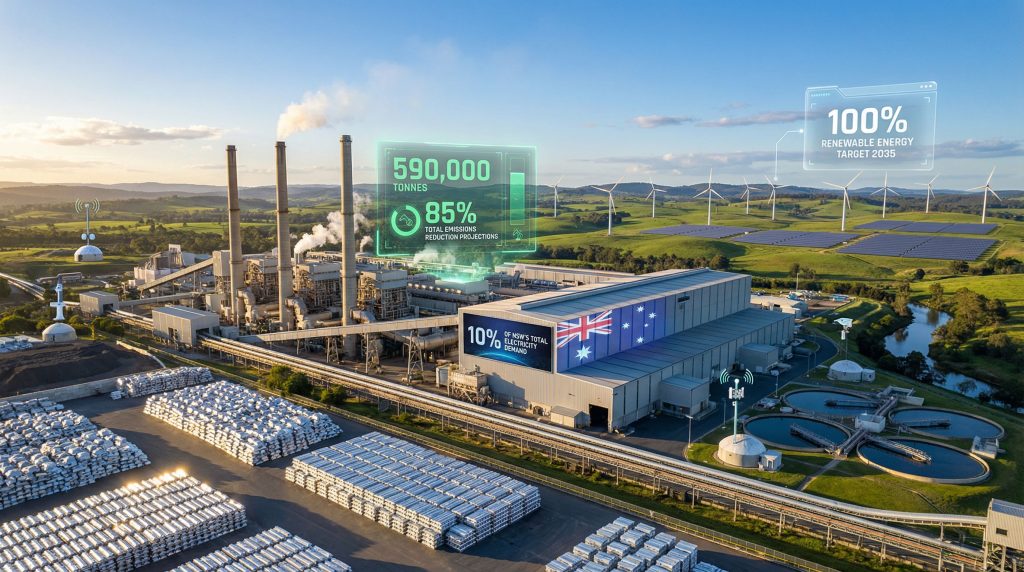
Australia's aluminium industry stands at a critical juncture where traditional manufacturing must transform to meet global sustainability demands. The Tomago aluminium smelter sustainability initiatives represent one of the most significant industrial transformations facing the nation's manufacturing sector, furthermore highlighting the urgent need for resource energy challenges to be addressed comprehensively.
Strategic Importance of Large-Scale Aluminium Production in Australia
The Hunter Valley region serves as a cornerstone of Australia's industrial capacity, housing critical infrastructure that processes substantial volumes of raw materials into value-added products. Large-scale aluminium smelting operations in this region represent more than just manufacturing facilities – they function as economic anchors supporting thousands of jobs and extensive supply chain networks.
Modern aluminium production requires enormous energy inputs, with major facilities consuming power equivalent to entire cities. This energy intensity creates both challenges and opportunities as Australia transitions toward renewable energy sources. The scale of these operations makes them ideal candidates for renewable energy integration, potentially serving as foundation customers for large-scale solar and wind projects.
Key operational characteristics of major Australian aluminium facilities include:
- Annual production volumes exceeding half a million tonnes
- Employment of over 1,000 direct workers
- Support for thousands of indirect jobs across supply chains
- Integration with port facilities for raw material imports and product exports
- Substantial regional economic multiplier effects
When big ASX news breaks, our subscribers know first
Advanced Environmental Monitoring Technologies in Industrial Operations
Contemporary aluminium smelting facilities employ sophisticated environmental monitoring systems that exceed traditional regulatory requirements. These comprehensive frameworks integrate multiple data collection methods to ensure operational compliance and community safety, consequently addressing many concerns about Tomago aluminium smelter sustainability standards.
Air Quality Assessment Infrastructure
Modern smelting operations utilise continuous emissions monitoring systems that track pollutant levels in real-time. These systems employ advanced sensor technologies to measure crucial environmental parameters.
Stack Emissions Monitoring:
- Sulfur dioxide concentrations
- Fluoride compound levels
- Particulate matter emissions
- Carbon monoxide outputs
Ambient Air Quality Networks:
- Multi-kilometre radius monitoring stations
- Weather-corrected data analysis
- Historical trend tracking
- Predictive modelling capabilities
Water Resource Protection Systems
Comprehensive water management protocols address both surface and groundwater protection through multiple monitoring layers:
| Monitoring Type | Frequency | Parameters Measured |
|---|---|---|
| Surface Water | Daily | pH, dissolved metals, fluoride levels |
| Groundwater | Monthly | Contamination indicators, flow rates |
| Stormwater | Continuous | Runoff quality, treatment effectiveness |
| Process Water | Real-time | Temperature, chemical composition |
Vegetation Impact Assessment Programs
Flora monitoring extends beyond facility boundaries to assess potential environmental impacts on surrounding ecosystems. These programs track fluoride accumulation in plant tissues, soil chemistry changes, and biodiversity indicators across established buffer zones.
Historical performance data demonstrates the effectiveness of modern monitoring systems, with leading facilities maintaining compliance records that exceed regulatory minimums. Environmental monitoring at Tomago Aluminium shows buffer zone assessments consistently demonstrate contained environmental impacts within designated areas.
Renewable Energy Integration Challenges and Solutions
The transition to renewable energy sources presents complex technical and economic challenges for energy-intensive industries. In addition, aluminium smelting requires continuous, stable power supply – characteristics that create complications when integrating intermittent renewable sources, particularly affecting Tomago aluminium smelter sustainability planning efforts.
Power Consumption Analysis
Large-scale aluminium production demands represent significant portions of state electricity grids. A major facility might consume:
- 850+ MW continuous baseload power
- 10% of total state electricity demand
- 7,500+ GWh annually
- 24/7 uninterrupted power requirements
These consumption patterns create both challenges and opportunities for renewable energy deployment. While the continuous demand complicates integration with solar and wind sources, the scale creates strong economic incentives for large renewable projects.
Technology Roadmap for Carbon Reduction
Advanced smelting technologies offer pathways to significant emissions reductions through multiple approaches, furthermore enabling comprehensive energy transition strategies across the industry:
Process Optimisation:
- Enhanced cell efficiency improvements
- Heat recovery system implementation
- Advanced process control algorithms
- Waste heat utilisation technologies
Infrastructure Upgrades:
- Grid stability enhancement systems
- Battery storage integration capabilities
- Smart grid connectivity features
- Renewable energy forecasting tools
Industry projections suggest that comprehensive renewable energy transitions could achieve emissions reductions exceeding 80% compared to coal-powered operations, positioning Australian facilities among global sustainability leaders.
Economic Pressures Shaping Industry Viability
The aluminium industry faces mounting economic pressures that threaten long-term operational sustainability. Energy costs represent the largest operational expense, creating vulnerability to electricity price volatility and carbon pricing mechanisms.
Cost Structure Analysis
Typical cost breakdowns for large-scale aluminium production reveal energy's dominant role:
- Electricity: 35-45% of total costs
- Raw materials: 25-30%
- Labour and maintenance: 15-20%
- Transportation: 5-10%
- Other operational costs: 5-10%
This cost structure explains why renewable energy transitions require substantial government support or private investment to maintain competitiveness against international producers with access to cheaper energy sources.
Market Competitiveness Factors
Global aluminium markets operate on razor-thin margins, making cost efficiency critical for survival. Australian facilities must compete against various international advantages while maintaining high environmental standards.
International Cost Advantages:
- Subsidised electricity in developing nations
- Lower labour costs in emerging markets
- Proximity to raw material sources
- Favourable exchange rate conditions
Domestic Value Proposition:
- Supply chain security benefits
- Quality consistency advantages
- Environmental compliance standards
- Skilled workforce capabilities
Green Aluminium Market Positioning and Opportunities
The emerging green aluminium market represents a potential transformation of industry economics. Downstream manufacturers increasingly demand verified low-carbon materials, creating premium pricing opportunities for sustainably produced aluminium and supporting Tomago aluminium smelter sustainability objectives.
Domestic Processing Economic Benefits
Value-added manufacturing delivers superior economic returns compared to raw material exports, however implementation requires significant investment in mining innovation trends and advanced processing technologies.
"Processing bauxite domestically rather than exporting raw materials creates exponentially more value for the Australian economy while supporting skilled manufacturing jobs."
Key economic advantages include:
- 10-15x value multiplication through processing
- Retention of technical expertise and skills
- Supply chain sovereignty for critical industries
- Reduced import dependency vulnerabilities
Market Demand Drivers
Several sectors drive increasing demand for verified green aluminium:
Automotive Industry:
- Electric vehicle lightweighting requirements
- Sustainability reporting obligations
- Consumer preference trends
- Regulatory compliance mandates
Construction Sector:
- Green building certification requirements
- Lifecycle assessment considerations
- Durability and recyclability benefits
- Energy efficiency applications
Technology Manufacturing:
- Corporate sustainability commitments
- Supply chain transparency requirements
- Product differentiation opportunities
- Risk management considerations
Regional Energy Infrastructure Development Impact
Large-scale industrial operations serve as anchor customers for renewable energy infrastructure development. Their substantial, predictable demand creates investment certainty that enables large-scale project financing, consequently supporting Australia's green metals leadership aspirations.
Grid Stability Contributions
Major industrial facilities provide several grid stability benefits:
- Demand predictability for system planning
- Load balancing capabilities during peak periods
- Potential demand response participation
- Infrastructure investment justification
The Hunter Valley region exemplifies how industrial demand can catalyse broader renewable energy ecosystem development, attracting investment in transmission infrastructure, storage systems, and complementary industries.
Economic Multiplier Effects
Renewable energy investments triggered by industrial demand create cascading economic benefits:
Direct Employment:
- Construction and installation jobs
- Operations and maintenance positions
- Technical and engineering roles
- Project management opportunities
Indirect Benefits:
- Local supplier engagement
- Service industry growth
- Skills development initiatives
- Regional economic diversification
The next major ASX story will hit our subscribers first
Waste Management Innovation and Industry Leadership
Modern aluminium production has achieved remarkable improvements in waste management through technological innovation and process optimisation. Leading facilities demonstrate that large-scale industrial operations can achieve near-zero waste storage through advanced treatment methods, furthermore implementing comprehensive waste management solutions across their operations.
Hazardous Material Elimination
Contemporary facilities employ advanced technologies to eliminate long-term waste storage requirements:
- Spent potlining treatment systems
- Fluoride compound neutralisation processes
- Metal recovery and recycling programmes
- Byproduct commercialisation initiatives
These improvements represent significant advances over historical practices, demonstrating industry commitment to environmental responsibility while reducing long-term liability risks. Sustainable smelting practices showcase how modern facilities achieve these environmental objectives.
Future Competitiveness and Strategic Considerations
Australia's aluminium industry future depends on successful navigation of multiple transition challenges. The convergence of renewable energy availability, technology advancement, and market demand for sustainable products creates both opportunities and risks for long-term viability.
Critical Success Factors
Several elements will determine long-term industry viability:
Technological Innovation:
- Advanced smelting process development
- Energy storage system integration
- Smart manufacturing implementation
- Circular economy adoption
Policy Framework:
- Carbon pricing mechanism design
- Renewable energy incentive structures
- Trade policy coordination
- Skills development programme support
Market Positioning:
- Green aluminium certification systems
- Premium pricing achievement
- Supply chain partnership development
- International competitiveness maintenance
The successful transformation of Australia's aluminium industry could establish a model for sustainable heavy industry globally while maintaining domestic manufacturing capabilities essential for economic resilience and strategic autonomy.
Investment decisions in the aluminium sector involve significant risks including commodity price volatility, regulatory changes, and technological disruption. This analysis is for informational purposes only and should not be considered investment advice.
Looking to Capitalise on Australia's Industrial Transformation?
Discovery Alert's proprietary Discovery IQ model delivers real-time alerts on significant ASX mineral discoveries, helping investors identify actionable opportunities in companies driving Australia's sustainable manufacturing evolution. Understand why major mineral discoveries can lead to substantial market returns by exploring Discovery Alert's dedicated discoveries page, showcasing historic examples of exceptional outcomes.