May 21, 2026
Understanding Turkey's Strategic Refining Position
Turkey's downstream petroleum sector operates at the crossroads of European and Asian energy markets, making it a critical component of regional energy security. The nation's refining infrastructure has evolved significantly since the 1960s, with strategic positioning that bridges East-West energy flows across the Bosphorus and Mediterranean trade routes.
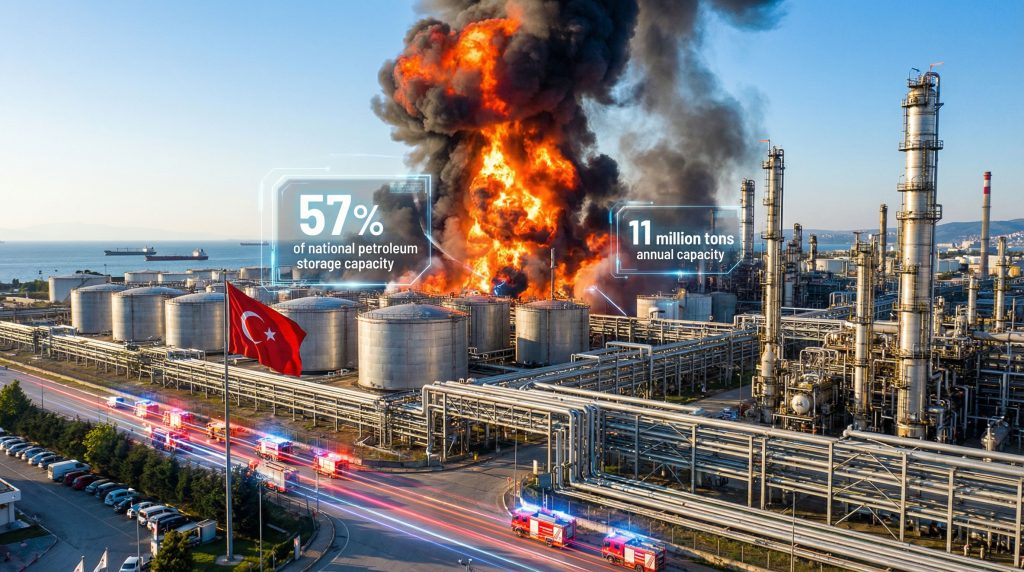
The Turkish refining landscape centers on several key facilities, with the Izmit complex representing the cornerstone of national petroleum processing capacity. This facility, operational since 1961, has undergone multiple expansions and modernizations to meet growing domestic demand and maintain export competitiveness. The complex's 11 million tons annual capacity makes it one of the largest petroleum processing facilities in the Eastern Mediterranean region.
Turkey's geographic location provides unique advantages for energy transit and processing. The country serves as a natural bridge between Middle Eastern crude oil supplies and European refined product markets, while also facilitating energy flows to Central Asian markets through various pipeline networks. This strategic position has made Turkish refining capacity essential for regional supply chain stability.
The technical complexity of Turkish refineries varies significantly across facilities. The Izmit complex operates with a Nelson complexity index of 14.5, indicating sophisticated processing capabilities including advanced conversion units for heavy crude processing and high-value product yields. This technical sophistication allows Turkish refiners to process a wide variety of crude oil grades while producing premium refined products for both domestic consumption and export markets.
Infrastructure Vulnerability Assessment
Turkey's refining sector faces multiple operational challenges stemming from aging infrastructure, seismic risks, and maintenance requirements. The Izmit facility, despite continuous upgrades, operates equipment spanning multiple decades of installation, creating inherent risks associated with legacy systems and aging metallurgy.
Historical incident patterns reveal recurring operational challenges across Turkish refining facilities. Furthermore, these patterns highlight specific vulnerabilities that require ongoing attention:
- 1999 Earthquake Impact: Seismic activity damaged storage tanks containing approximately 700,000 tons of crude oil, requiring international emergency response teams and multiple days for complete containment
- 2016-2019 Maintenance Fires: Series of smaller incidents during planned maintenance operations, typically resolved within 1-4 hours but highlighting procedural vulnerabilities
- Recent Storage Tank Explosions: Multiple tank farm incidents affecting petroleum product storage capacity and requiring full facility evacuations
The frequency of maintenance-related incidents reflects broader challenges in managing complex refining operations. Tank farms, in particular, present elevated risks due to large hydrocarbon inventories, aging steel infrastructure, and exposure to external factors including weather, seismic activity, and operational stresses.
Seismic risk represents a persistent challenge for Turkish industrial facilities. The country's location along major fault lines creates ongoing vulnerability for heavy industrial operations, particularly those involving large hydrocarbon storage systems. Modern seismic protection systems and emergency response protocols have improved safety margins, but geological factors continue to influence operational risk profiles.
Operational Risk Mitigation Strategies
Turkish refineries have implemented increasingly sophisticated safety management systems following international best practices. These systems encompass multiple layers of protection including automated shutdown systems, vapor detection networks, fire suppression infrastructure, and emergency response protocols.
Workforce training programs emphasise rapid emergency response and evacuation procedures. Recent incidents have demonstrated the effectiveness of these protocols, with successful evacuations of hundreds of personnel within minutes of initial alarms. However, the frequency of emergency activations suggests ongoing challenges in preventing incidents rather than merely responding to them.
Technology upgrades focus on predictive maintenance systems and advanced hazard detection capabilities. Implementation of digital monitoring systems allows real-time assessment of equipment condition and early identification of potential failure modes. These technological improvements represent significant capital investments but offer improved safety margins and reduced operational disruptions.
Regional Market Impact Analysis
Turkey's biggest refinery fire incidents create immediate ripple effects throughout regional petroleum product markets. The country's refineries supply approximately 57% of national petroleum storage capacity, making any significant operational disruption a material factor in regional supply-demand balances.
Domestic refined product markets face immediate pressure when major refining capacity goes offline. Turkey's integrated refining and distribution network means that production interruptions at major facilities like Izmit translate directly into tighter product availability and potential price volatility. Moreover, the oil price rally often intensifies during such supply disruptions, particularly when they coincide with seasonal demand patterns.
Regional export markets also experience disruptions when Turkish refining capacity becomes unavailable. The country's refineries serve multiple export destinations across the Mediterranean and Black Sea regions, with established trade flows for gasoline, diesel, and other refined products. Sudden capacity reductions force importing countries to seek alternative supply sources, potentially at premium prices, which can significantly influence oil price movements across regional markets.
Supply Chain Resilience Factors
Turkey's petroleum product supply chain incorporates multiple sources of resilience, including domestic refining capacity diversity, strategic petroleum reserves, and import infrastructure. However, the concentration of significant capacity at individual facilities creates potential bottlenecks during operational disruptions.
Alternative refining capacity within Turkey's network provides partial backup during facility outages. Smaller refineries can increase utilisation rates to partially compensate for lost production, though technical constraints and crude oil availability may limit this flexibility. The total system capacity margin determines how effectively the network can absorb individual facility disruptions.
Import dependency scenarios become critical during extended refining outages. Turkey maintains import terminal infrastructure capable of receiving refined products from international suppliers, but logistics costs and product quality specifications may create challenges. Consequently, the country's strategic location facilitates access to multiple supply sources, but delivery timelines and contract terms influence supply security.
Cross-border petroleum product flows require coordination with neighbouring countries and international suppliers. Regional refining capacity in countries like Greece, Romania, and Russia can potentially provide additional supply sources, though geopolitical factors and existing commercial relationships influence availability.
Competitive Landscape Implications
Market share redistribution among Turkish refiners follows predictable patterns during facility outages. Operational refineries typically increase utilisation rates and may defer planned maintenance to maximise production during periods of constrained industry capacity. This dynamic can stress remaining facilities and create secondary operational risks.
International supplier positioning in regional markets intensifies during Turkish refining disruptions. European and Russian refiners with available export capacity may seek to capture temporary market share in Turkish import markets. In addition, Middle Eastern refiners also position themselves to supply Turkish petroleum product demand through existing trade relationships.
Investment priorities shift toward infrastructure redundancy following major operational incidents. Turkish refining companies reassess emergency response capabilities, backup systems, and operational risk management frameworks. These investments may include upgraded safety systems, alternative feedstock handling capabilities, and enhanced emergency response infrastructure.
Regulatory response patterns evolve following significant industrial incidents. According to Reuters, Turkish authorities typically conduct comprehensive safety reviews and may mandate infrastructure upgrades or operational procedure modifications following major incidents. These regulatory changes can influence competitive dynamics by requiring industry-wide compliance investments.
Strategic Infrastructure Modernisation Needs
Capital investment requirements for safety system upgrades represent significant financial commitments for Turkish refining companies. Modern safety management systems require integration of digital monitoring networks, automated emergency response systems, and predictive maintenance capabilities. These investments may total hundreds of millions of dollars per facility but offer improved operational reliability and reduced incident frequency.
Technology integration opportunities focus on predictive maintenance and real-time risk assessment systems. Advanced sensors and data analytics enable continuous monitoring of equipment condition and early identification of potential failure modes. Implementation of these technologies requires substantial upfront investment but can significantly reduce unplanned downtime and emergency response costs.
Regulatory framework evolution addresses industrial safety standards and emergency response coordination. Turkish authorities continuously update safety regulations based on international best practices and lessons learned from domestic incidents. Furthermore, understanding the broader tariff implications on industrial operations becomes crucial as global trade policies evolve.
Environmental compliance enhancement becomes increasingly important as regulatory standards evolve. Modern refining operations must meet stringent emissions standards and environmental protection requirements. Upgrading facilities to meet these standards requires significant capital investment but ensures long-term operational viability.
Economic Impact Assessment Framework
Direct operational costs of incident response and recovery include emergency response team mobilisation, equipment repair or replacement, lost production value, and business interruption expenses. Major incidents may generate costs in the tens of millions of dollars before operations resume normal levels.
Insurance and risk management cost implications affect both premiums and coverage availability. Major operational incidents influence insurance underwriting assessment and may result in higher premiums or modified coverage terms. Self-insurance strategies require substantial financial reserves and sophisticated risk management capabilities.
Regional economic multiplier effects extend beyond direct refining operations to include transportation, logistics, and downstream manufacturing sectors. Extended refining outages can affect local employment, tax revenues, and economic activity in surrounding communities.
Employment and local community impact considerations encompass both direct refinery employment and indirect economic effects. Major facilities like Izmit employ thousands of workers and support extensive contractor and supplier networks. Extended outages can affect local economic conditions and community welfare.
Investment Community Considerations
Due diligence frameworks for downstream petroleum assets increasingly emphasise operational risk assessment and emergency preparedness evaluation. Investment analysts examine historical incident frequency, safety management systems, regulatory compliance records, and emergency response capabilities when evaluating refining assets.
Operational risk assessment methodologies incorporate multiple factors including facility age, technical complexity, maintenance records, and local environmental conditions. Quantitative risk models attempt to predict incident frequency and potential financial impact, though the complexity of refining operations creates significant uncertainty in these assessments.
ESG compliance factors gain prominence in refinery investment decisions as environmental and social governance standards evolve. Investors increasingly scrutinise safety performance, environmental compliance, and community relations when evaluating petroleum refining investments.
Portfolio diversification strategies address concentration risk in energy infrastructure exposure. Investment portfolios with significant downstream petroleum exposure may benefit from geographic and operational diversification to reduce the impact of individual facility disruptions. However, periods of oil price stagnation can affect the overall attractiveness of such investments.
Policy and Regulatory Response Strategies
Industrial safety regulation enhancement focuses on updating standards to reflect current best practices and technological capabilities. Regulatory authorities balance safety improvement objectives with economic impact considerations, seeking to enhance safety standards while maintaining industry competitiveness.
Emergency response coordination improvements emphasise multi-agency cooperation and resource sharing. Major industrial incidents require coordination between facility operators, local emergency services, environmental agencies, and national authorities. Enhanced coordination protocols can improve response effectiveness and reduce incident consequences.
Cross-sector infrastructure protection planning recognises the interconnected nature of energy, transportation, and industrial systems. Petroleum refining operations affect multiple economic sectors, and comprehensive protection planning addresses these interdependencies.
International cooperation frameworks facilitate information sharing and best practice exchange between countries facing similar operational challenges. Regional cooperation agreements can enhance emergency response capabilities and provide mutual assistance during major incidents.
Building Resilience in Turkey's Refining Sector
Operational risk management serves as a competitive advantage factor for Turkish refining companies that successfully implement comprehensive safety and reliability programs. Companies with superior operational performance can achieve higher utilisation rates, lower insurance costs, and enhanced market reputation.
Infrastructure modernisation represents a strategic investment priority requiring substantial capital commitment but offering improved operational reliability and reduced incident frequency. The timing and scope of modernisation programs significantly influence their effectiveness and return on investment. For instance, monitoring WTI and Brent trends helps refiners optimise their investment timing relative to market conditions.
Regional market positioning through reliability enhancement enables Turkish refiners to maintain market share and potentially expand export opportunities. Consistent operational performance builds customer confidence and supports long-term commercial relationships.
What Makes Turkey's Biggest Refinery Fire Incidents Particularly Concerning?
Turkey's biggest refinery fire incidents generate widespread concern due to several interconnected factors. The concentration of processing capacity at major facilities means that operational disruptions can significantly impact national energy security and regional supply chains.
Stakeholder value creation through safety excellence benefits shareholders, employees, communities, and customers through improved operational performance and reduced incident-related costs. Comprehensive safety management programs represent investments in long-term competitiveness and sustainability.
Turkey's role in regional energy security architecture continues to evolve as the country modernises its refining infrastructure and enhances operational capabilities. The strategic geographic position and growing technical sophistication of Turkish refineries support expanded regional influence in petroleum product markets.
Technology-driven solutions for operational risk reduction offer significant potential for improving safety performance while reducing costs. Advanced monitoring systems, predictive maintenance capabilities, and automated emergency response systems represent important investment opportunities for Turkish refining companies.
Investment opportunities in infrastructure resilience extend beyond individual facilities to encompass regional supply chain strengthening and emergency response capability enhancement. These investments support both individual company performance and broader regional energy security objectives.
Policy framework evolution for industrial safety enhancement reflects ongoing efforts to balance safety improvement with economic competitiveness. As highlighted by HAZARD EXONTHENET, regulatory authorities continue refining requirements to incorporate technological advances and international best practices while supporting industry growth and development.
This analysis is based on publicly available information about Turkey's refining sector and regional petroleum markets. Market conditions and operational factors are subject to ongoing change, and specific investment decisions should incorporate current market intelligence and professional advisory services.
Ready to Capitalise on Energy Market Disruptions?
Discovery Alert's proprietary Discovery IQ model delivers real-time notifications on significant ASX mineral discoveries, including those in the energy and critical minerals sectors that often surge during global supply disruptions like Turkey's refinery incidents. Begin your 14-day free trial today and position yourself ahead of market volatility with actionable investment insights powered by advanced AI technology.