May 21, 2026
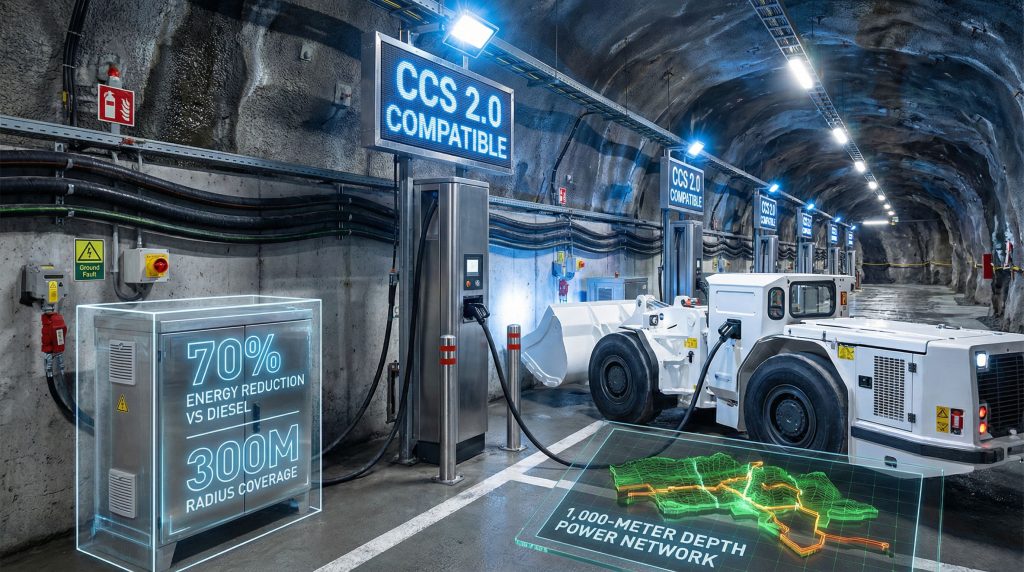
The mining industry faces unprecedented pressure to reduce emissions while maintaining operational efficiency in extreme environments. Deep underground operations present unique electrification challenges that surface mining and industrial applications never encounter. Temperature fluctuations, dust infiltration, and the need for continuous power delivery at depths exceeding 1,000 meters create engineering obstacles that traditional charging systems cannot address. Furthermore, the mining industry evolution towards sustainable practices makes robust charging infrastructure essential for future operations.
What Makes Underground Mine EV Charging Systems Different from Surface Applications?
Underground mining environments demand charging infrastructure built to withstand conditions that would destroy conventional systems. The Epiroc underground mine charging system represents a new approach to addressing these harsh operational realities, with IP65-classified protection designed to survive dust, humidity, and round-the-clock heavy use.
Extreme Environmental Protection Requirements
The IP65 rating provides critical protection against dust ingress and low-pressure water jets from any direction, meeting the demanding standards set by IEC 60529. This certification ensures charging equipment can operate reliably in environments where particulate matter and moisture constantly threaten electrical components.
Temperature management becomes particularly complex in confined underground spaces where heat dissipation is limited. Charging systems must maintain consistent performance across temperature ranges that can vary dramatically between surface conditions and deep mining levels. The confined nature of underground operations also means equipment must withstand constant vibration from heavy machinery and potential impact from mobile equipment.
Continuous operation requirements for 24/7 mining cycles place additional stress on charging infrastructure. Unlike surface applications where equipment can be taken offline for maintenance during regular business hours, underground mining operations often run continuously, making system reliability paramount for boosting underground safety.
Power Distribution Complexity in Deep Operations
Electrical infrastructure design for underground operations faces unique challenges related to voltage regulation across extended cable runs. The 300-meter cable extension capabilities offered by modern systems like Epiroc's advanced charging solutions address the need to position charging stations closer to active work areas without requiring extensive electrical infrastructure modifications.
Load balancing becomes critical when multiple high-power charging stations operate simultaneously. The ability to share available electricity dynamically across up to 8 charging posts per cabinet represents a significant advancement in power distribution efficiency for underground applications.
Integration with existing mine power systems requires careful consideration of electrical capacity, grounding systems, and safety protocols. Many underground mines operate with aging electrical infrastructure that must be evaluated for compatibility with modern high-power charging systems.
When big ASX news breaks, our subscribers know first
Which Charging Technologies Are Transforming Underground Fleet Operations?
The evolution toward brand-agnostic charging platforms addresses one of the mining industry's most pressing electrification challenges. Mining operations can now charge electric vehicles in mining from any manufacturer using the same system, eliminating compatibility issues that have historically slowed adoption rates.
Multi-Standard Compatibility Solutions
Modern charging systems support multiple connector protocols, allowing mixed fleet operations without the need for manufacturer-specific charging infrastructure. This approach reduces capital investment requirements and simplifies fleet management for operations running equipment from different suppliers.
The development of standardised connector protocols creates opportunities for economies of scale in charging infrastructure deployment. As more manufacturers adopt common standards, the cost of charging system components decreases while reliability improves through increased production volumes.
Future-proofing considerations include preparation for emerging technologies such as Megawatt Charging System (MCS) development. While current underground applications may not require megawatt-level charging, the infrastructure planning must consider potential future needs as electric equipment becomes larger and more power-hungry.
Dynamic Power Management Systems
Real-time load distribution capabilities enable charging systems to automatically redirect power based on vehicle priority levels and operational requirements. When one vehicle completes charging, the system immediately reallocates that capacity to other posts where vehicles require power most urgently.
Intelligent power sharing algorithms analyse fleet patterns and adapt to changing operational demands throughout different shifts. This automation helps maintain high equipment utilisation by reducing charging queue delays and optimising power allocation based on operational priorities.
Peak demand optimisation features can significantly reduce electrical infrastructure costs by managing when and how much power different charging stations consume simultaneously. This capability becomes particularly valuable in underground operations where electrical capacity may be limited by existing infrastructure.
How Do Remote Charging Post Networks Optimise Underground Operations?
Strategic placement of charging infrastructure within underground mine layouts requires careful analysis of traffic patterns, work zone locations, and operational efficiency requirements. The flexibility to mount charge posts on pedestals or walls wherever they work best provides operational advantages that fixed installations cannot match.
Strategic Placement Methodology
The 300-meter cable extension range from central cabinets allows mines to position charging stations closer to active work areas without requiring extensive electrical infrastructure modifications. This capability reduces unnecessary vehicle travel time and keeps equipment productive rather than spending time travelling to distant charging locations.
Work zone proximity analysis helps determine optimal charging post locations based on typical equipment movement patterns and operational workflows. By placing charging infrastructure near high-activity areas, mines can implement opportunity charging strategies that top up equipment batteries during natural work breaks.
Traffic flow optimisation considerations include avoiding bottlenecks during shift changes when multiple vehicles may require charging simultaneously. The system's ability to support up to 8 charging posts per cabinet provides flexibility to accommodate peak demand periods without creating operational delays.
Operational Efficiency Metrics
| Charging Configuration | Power Distribution | Flexibility | Installation Requirements |
|---|---|---|---|
| Central Cabinet System | Dynamic across 8 posts | High placement flexibility | Single electrical connection |
| Remote Post Network | Individual post control | Maximum coverage area | Distributed installation |
| Hybrid Configuration | Mixed power sharing | Optimised for specific layouts | Customised infrastructure |
The modular nature of modern charging systems allows mines to start with basic configurations and expand capacity as electrification progresses. This scalability reduces initial capital investment while providing clear upgrade paths as fleet electrification increases.
What Are the Economic Benefits of Underground EV Charging Infrastructure?
The economic case for underground EV charging infrastructure extends beyond simple fuel cost comparisons. Mining companies implementing electric charging systems report significant operational improvements that compound over time, creating substantial value propositions for electrification investments. Moreover, data-driven mining approaches help quantify these benefits with precision.
Operational Cost Reduction Analysis
Energy efficiency improvements with electric equipment compared to diesel alternatives create immediate operational savings. Electric drive systems convert energy more efficiently than internal combustion engines, particularly in the stop-and-start operation patterns common in underground mining.
Ventilation cost reductions represent one of the most significant economic benefits of underground electrification. Electric equipment produces no emissions, reducing the ventilation requirements needed to maintain air quality in underground workings. This reduction can substantially decrease HVAC operational costs and energy consumption.
Fuel transportation and storage infrastructure costs disappear when operations transition to electric equipment. Underground mines no longer need to maintain fuel storage facilities, pumping systems, or fuel transportation logistics, reducing both capital and operational expenses.
Maintenance cost advantages for electric drivetrain systems include fewer moving parts, no oil changes, and reduced wear component replacement requirements. Electric motors require significantly less maintenance than diesel engines, reducing both direct maintenance costs and equipment downtime.
Productivity Enhancement Factors
Elimination of refuelling downtime through strategic charging placement allows equipment to charge during natural work breaks rather than requiring dedicated refuelling trips. This approach maximises equipment utilisation by integrating charging into existing operational workflows.
Continuous operation capabilities with properly designed charging infrastructure mean equipment can maintain productivity levels throughout entire shifts. Smart charging scheduling ensures vehicles are charged and ready when needed without disrupting operational plans.
Enhanced fleet utilisation results from reduced maintenance requirements and improved equipment reliability. Electric equipment typically experiences less unscheduled downtime, allowing operations to maintain more consistent production schedules.
How Do Safety Systems Protect Underground Charging Operations?
Safety considerations for underground EV charging systems require comprehensive approaches that address both electrical hazards and the unique risks present in underground mining environments. The IP65-classified protection represents just one layer of the multi-faceted safety systems required for reliable underground operation.
Multi-Layer Battery Protection Protocols
Underground charging systems must meet stringent safety standards that address the specific hazards present in mining environments. These standards include requirements for impact resistance, thermal management, and emergency shutdown capabilities that exceed surface application requirements. Furthermore, underground electrification systems must comply with rigorous mining safety regulations.
Robust casing design protects critical charging components from the impacts and collisions that are inevitable in underground mining operations. Heavy equipment operates in confined spaces with limited visibility, making physical protection of charging infrastructure essential for system reliability and worker safety.
Thermal management systems prevent overheating risks by monitoring component temperatures and implementing protective shutdowns when safe operating parameters are exceeded. These systems must function reliably in environments where ambient temperatures may vary significantly and heat dissipation is limited.
Emergency shutdown procedures provide multiple pathways for quickly disconnecting power in hazardous situations. These systems must be accessible to equipment operators and maintenance personnel while providing fail-safe protection against electrical hazards.
Installation Safety Considerations
Explosion-proof electrical components may be required in underground areas where methane or other flammable gases could accumulate. The Epiroc underground mine charging system design must consider the specific hazard classifications of different mine areas and implement appropriate safety measures.
Ground fault protection systems detect electrical faults that could create safety hazards for personnel or equipment. These systems must operate reliably in underground environments where ground conditions may vary and traditional grounding methods may be compromised.
Arc fault detection and mitigation capabilities protect against electrical fires that could be catastrophic in underground environments. These systems must provide rapid response to electrical anomalies while minimising false shutdowns that could disrupt operations.
Personnel safety training programmes must address the specific hazards associated with high-voltage charging systems in underground environments. Training must cover normal operating procedures, emergency response protocols, and maintenance safety practices.
Which Underground Mining Applications Benefit Most from Electric Charging Systems?
Different types of underground mining equipment present varying challenges and opportunities for electrification. Understanding which applications provide the greatest benefits helps mining operations prioritise their electrification investments and development strategies.
Load-Haul-Dump (LHD) Equipment Electrification
Scooptram operations represent ideal applications for electric charging systems due to their predictable duty cycles and defined operating areas. These machines typically operate within specific zones of the mine, making charging infrastructure placement straightforward and cost-effective.
The intermittent nature of LHD operations creates natural charging opportunities between loading cycles. Equipment operators can connect to charging stations during brief operational pauses, maintaining battery charge levels without dedicated charging downtime.
Narrow drift compatibility makes electric LHDs particularly attractive for confined underground workings where diesel emissions create significant ventilation challenges. Electric equipment eliminates emissions while maintaining the compact dimensions required for narrow underground passages.
Payload capacity maintenance during electric operation ensures that productivity levels remain consistent when transitioning from diesel to electric equipment. Modern electric LHDs can maintain full payload capabilities while providing the operational advantages of electric drive systems.
Underground Truck Fleet Applications
Minetruck systems for material transport benefit from the instant torque characteristics of electric drive systems, particularly when navigating steep underground ramps. Electric trucks can maintain consistent speeds on inclines that would cause diesel trucks to slow significantly.
Dynamic charging opportunities during truck operations include regenerative braking systems that recover energy during descent operations. This energy recovery capability can extend operating range while reducing overall energy consumption.
Extended reach capabilities through strategic charging point placement allow electric trucks to service larger underground areas without range limitations. Opportunity charging at loading and unloading points can maintain battery levels throughout extended shifts.
Battery technology improvements continue to extend the operational range of electric underground trucks, making them viable for increasingly diverse applications within underground mining operations. Additionally, renewable energy mining solutions can power these charging systems sustainably.
The next major ASX story will hit our subscribers first
What Implementation Challenges Do Mining Operations Face?
The transition to electric underground equipment requires careful planning and systematic approaches to overcome technical, operational, and economic challenges. Understanding these obstacles helps mining operations develop realistic implementation timelines and budgets.
Infrastructure Integration Complexities
Existing electrical system capacity assessment often reveals limitations that require significant upgrades before electric charging systems can be implemented. Many underground mines operate with electrical infrastructure designed decades ago that lacks the capacity for high-power charging systems.
Transformer and substation upgrade requirements can represent substantial capital investments that must be factored into electrification business cases. These upgrades often require extended outages and complex installation procedures in confined underground spaces.
Digital communication network installation becomes necessary to support smart charging systems that monitor and control power distribution. Installing fibre optic or ethernet networks throughout underground mine workings presents logistical challenges and ongoing maintenance requirements.
Legacy equipment compatibility considerations include ensuring that new charging systems can coexist with existing diesel equipment during transition periods. Mixed fleet operations require careful planning to avoid conflicts between different equipment types and their respective support systems.
Fleet Transition Management
Phased electrification strategies help mining operations manage the complexity and cost of transitioning large equipment fleets. These strategies typically prioritise specific equipment types or mine areas based on technical feasibility and economic benefits.
Operator training programmes must address both the technical aspects of electric equipment operation and the new charging procedures required to maintain equipment availability. Training programmes must be comprehensive while minimising operational disruptions during implementation.
Maintenance workflow adjustments become necessary as electric equipment requires different service procedures, tools, and spare parts compared to diesel equipment. Maintenance departments must develop new capabilities while maintaining support for existing diesel equipment.
Performance monitoring system implementation provides the data needed to optimise electric equipment utilisation and identify opportunities for further improvement. These systems must integrate with existing mine management systems while providing actionable insights for operators and maintenance personnel.
How Does Smart Charging Technology Optimise Fleet Performance?
Modern charging systems incorporate sophisticated software and control systems that optimise power distribution, monitor equipment performance, and provide operational insights. The tracking software to monitor charging sessions represents just one component of comprehensive fleet optimisation systems.
Predictive Analytics for Charging Schedules
Usage pattern analysis helps determine optimal charger placement based on actual equipment movement patterns rather than theoretical operational plans. This data-driven approach ensures charging infrastructure investments provide maximum operational benefit.
Shift-based charging demand forecasting allows operations to anticipate power requirements and optimise electrical system loading. This forecasting capability helps prevent electrical system overloads while ensuring adequate charging capacity is available when needed.
Equipment utilisation optimisation algorithms analyse historical data to identify opportunities for improved fleet efficiency. These systems can recommend operational changes that maximise equipment productivity while minimising energy consumption.
Preventive maintenance scheduling integration combines charging system data with equipment maintenance requirements to optimise maintenance timing and reduce operational disruptions.
Remote Monitoring and Control Systems
Real-time charging session tracking provides operators with immediate visibility into equipment status and charging progress. This information enables proactive decision-making about equipment deployment and charging schedules.
Performance diagnostics and fault detection capabilities identify potential problems before they cause equipment failures or operational disruptions. Early warning systems allow maintenance teams to address issues during planned maintenance windows rather than during emergency repairs.
Energy consumption reporting and analysis provide insights into operational efficiency and identify opportunities for improvement. These reports help operations optimise energy usage while maintaining productivity levels.
Fleet management dashboard integration centralises all charging and equipment information into unified management systems that support operational decision-making and long-term planning.
What Future Developments Will Shape Underground Mine Charging?
The rapid evolution of electric vehicle technology, battery chemistry, and charging systems continues to create new opportunities for underground mining applications. Understanding these trends helps mining operations make investment decisions that remain relevant as technology advances.
Next-Generation Charging Technologies
Megawatt Charging System (MCS) development targets applications requiring extremely high power charging capabilities. While current underground mining equipment may not require megawatt-level charging, future larger electric equipment may benefit from these advanced charging systems.
Wireless charging solutions offer the potential for continuous operation without physical connections to charging infrastructure. This technology could eliminate charging downtime entirely for certain applications, though technical challenges remain for underground implementation.
Battery technology improvements continue to extend equipment operating range while reducing charging time requirements. Solid-state batteries and other advanced chemistries may dramatically improve the economics of underground equipment electrification.
Autonomous charging system integration could eliminate human intervention from charging operations, reducing labour requirements while ensuring consistent charging protocols are followed.
Industry Standardisation Trends
Universal charging protocol development aims to eliminate compatibility issues between different equipment manufacturers and charging system suppliers. Standardisation efforts focus on both physical connectors and communication protocols.
Safety certification harmonisation across different jurisdictions will simplify equipment selection and reduce compliance costs for mining operations with international footprints.
Interoperability standards development ensures that different manufacturers' equipment can work together seamlessly, reducing the risk of vendor lock-in and promoting competitive pricing.
Regulatory framework evolution continues to address the unique challenges of underground EV systems while promoting safety and operational efficiency.
How Should Mining Companies Evaluate Charging System Investments?
Investment decisions for underground charging infrastructure require comprehensive analysis that considers both immediate costs and long-term operational benefits. The complexity of these systems demands thorough evaluation methodologies that account for multiple variables and scenarios. Consequently, the Epiroc underground mine charging system evaluation must include comprehensive cost-benefit analysis.
Total Cost of Ownership Analysis
| Investment Factor | Initial Phase | Operational Phase | Long-term Considerations |
|---|---|---|---|
| Capital Expenditure | Equipment and installation costs | Expansion and upgrade costs | Technology refresh cycles |
| Operating Expenses | Training and commissioning | Energy and maintenance costs | Performance optimisation |
| Risk Factors | Implementation complexity | Technology obsolescence | Regulatory changes |
Initial investment considerations must account for both charging system costs and necessary electrical infrastructure upgrades. Many operations underestimate the infrastructure requirements, leading to budget overruns and implementation delays.
Operating expense analysis should compare total operating costs rather than simple energy cost comparisons. Electric systems often provide operational benefits that extend beyond direct fuel cost savings, including reduced maintenance, improved reliability, and enhanced productivity.
Ventilation cost reduction potential varies significantly between different mine configurations and ventilation systems. Operations with high ventilation costs typically see more favourable economics for electrification investments.
Return on Investment Considerations
Payback period calculations must consider the full range of operational benefits rather than focusing solely on energy cost savings. Improved equipment availability, reduced maintenance costs, and enhanced productivity can significantly impact investment returns.
Environmental compliance cost avoidance becomes increasingly important as regulations tighten around emissions and air quality. Electric equipment can help operations avoid future compliance costs while potentially qualifying for environmental incentives.
Productivity improvement quantification requires careful measurement of equipment utilisation, operational efficiency, and maintenance-related downtime. These improvements often provide the largest economic benefits from electrification investments.
Long-term operational sustainability benefits include reduced dependence on volatile fuel markets, improved operational resilience, and enhanced ability to attract environmentally conscious investors and customers. Ultimately, the Epiroc underground mine charging system represents a strategic investment in the future of sustainable mining operations.
Disclaimer: This analysis is based on publicly available information and industry trends. Actual costs, performance, and benefits will vary based on specific operational conditions, equipment selections, and implementation approaches. Mining operations should conduct detailed feasibility studies and consult with qualified engineering professionals before making electrification investment decisions. Technology capabilities and costs continue to evolve rapidly, and future developments may significantly impact the economic and operational considerations discussed in this analysis.
Ready to Capitalise on the Underground Mining Electrification Boom?
As underground mining operations increasingly adopt electric vehicle charging systems, Discovery Alert's proprietary Discovery IQ model identifies mineral exploration companies poised to benefit from this technological transformation. Discover how major mineral discoveries historically generate exceptional returns by exploring Discovery Alert's dedicated discoveries page, then begin your 14-day free trial to position yourself ahead of the market.