May 17, 2026
Underground mining operations face unique challenges when conducting uphole drilling activities, where gravitational forces create significant safety hazards for both personnel and equipment. The uphole brake in underground drilling safety represents a critical advancement in mining technology, addressing fundamental physics challenges in ascending drill hole configurations. Modern safety mechanisms must integrate seamlessly with existing drill head assemblies while providing reliable protection against component failures that could result in catastrophic drops within the drilling system.
The operational environment in underground mining presents complex challenges that traditional surface drilling safety measures cannot adequately address. Underground conditions demand robust solutions that can function reliably in confined spaces, variable atmospheric conditions, and limited access scenarios. These factors have driven the development of automated safety interventions that can respond faster than human operators in emergency situations, contributing to evolving mining innovation trends.
Core Engineering Principles Behind Uphole Safety Mechanisms
Uphole drilling configurations in underground environments create a fundamental engineering challenge where gravity works against the drilling operation. Unlike surface drilling where downward force assists drilling progress, uphole operations must overcome gravitational resistance while maintaining precise control over drilling components. This configuration increases the risk of component separation and uncontrolled descent if system pressures are lost or mechanical connections fail.
The integration points within drill head assemblies require careful consideration of load distribution and failure modes. Safety systems must be designed to engage automatically when normal operational parameters are exceeded, typically through velocity-triggered mechanisms that respond to acceleration beyond predetermined thresholds. These systems must function independently of operator intervention while maintaining compatibility with existing drilling equipment architectures.
Core barrel systems present specific engineering challenges in uphole configurations due to their extended length and the need to maintain sample integrity during extraction. Safety mechanisms must protect these components without compromising their primary function of geological sample collection. The mechanical design must account for varying rod string lengths and different drilling diameters commonly used in underground exploration operations.
When big ASX news breaks, our subscribers know first
Mechanical Components and Activation Protocols
Inner tube assembly protection mechanisms rely on sophisticated braking elements that engage against core barrel surfaces when specific conditions are detected. These systems typically incorporate spring-loaded or hydraulically activated components that remain dormant during normal operations but deploy rapidly when velocity differentials exceed safe operating parameters. The activation threshold must be precise enough to prevent false triggering whilst ensuring reliable engagement during actual emergency conditions.
Furthermore, automatic braking systems utilise velocity-triggered safety thresholds that continuously monitor the relative movement between drilling components. When the descent velocity of inner tube assemblies exceeds the controlled movement of overshot systems, mechanical brakes engage to arrest the falling components. This differential monitoring approach ensures that normal drilling operations are not interrupted while providing immediate response to genuine safety hazards.
Overshot differential systems represent a critical component in modern uphole safety architectures. These mechanisms monitor the relationship between controlled tool movement and gravitational acceleration of drilling components. Advanced systems can detect pressure loss scenarios within milliseconds and initiate braking procedures before significant acceleration occurs, minimising impact forces and potential equipment damage.
Modern Uphole Brake Technologies and Equipment Protection
Contemporary uphole brake in underground drilling safety systems represent a significant advancement in mining safety technology, addressing long-standing challenges in underground drilling operations. These systems combine real-time monitoring capabilities with automated intervention mechanisms to prevent equipment failures and protect personnel from falling components. The integration of pressure monitoring, velocity calculations, and mechanical braking systems creates comprehensive protection against the most common hazards in uphole drilling operations.
The effectiveness of modern brake technologies depends on their ability to respond to multiple failure scenarios simultaneously. System designers must account for hydraulic pressure losses, mechanical component failures, and operator error whilst maintaining operational efficiency during normal drilling activities. This requires sophisticated control systems that can differentiate between normal operational variations and genuine emergency conditions, similar to advances seen in AI in drilling operations.
Pressure Loss Detection and Response Systems
Hydraulic pressure monitoring integration forms the foundation of modern uphole safety systems. These monitoring networks typically incorporate multiple pressure sensors throughout the drilling system to detect localised pressure losses that might indicate component failure or system compromise. The monitoring systems must be capable of detecting both gradual pressure decline and sudden pressure loss scenarios, each requiring different response protocols.
In addition, real-time velocity differential calculations utilise advanced algorithms to process sensor data and determine when drilling components are accelerating beyond safe parameters. These calculations must account for normal operational variations whilst maintaining sensitivity to genuine safety hazards. The processing systems typically incorporate machine learning algorithms that adapt to specific drilling conditions and equipment configurations over time.
Automated intervention protocols activate when pressure loss or velocity thresholds are exceeded, typically engaging within fractions of a second to minimise component acceleration. These protocols must coordinate multiple safety systems simultaneously, including braking mechanisms, pressure isolation systems, and operator alert systems. The intervention sequence is designed to prioritise personnel safety whilst minimising equipment damage and operational disruption.
Recovery and Operational Continuity Features
Multi-point retraction capabilities within rod strings enable operators to recover drilling components from various depths within the drilling system. This flexibility is essential for maintaining operational continuity after safety system activation, as it allows recovery operations to proceed without complete disassembly of the drilling string. Advanced systems can calculate optimal recovery points based on component location and system configuration.
However, operational restart procedures following brake activation must be carefully designed to ensure system integrity before normal drilling operations resume. These procedures typically include pressure system verification, component inspection protocols, and safety system reset sequences. The restart process must balance thoroughness with operational efficiency to minimise downtime whilst ensuring complete safety system functionality.
Productivity maintenance during safety system deployment represents a critical design consideration for modern uphole brake systems. The most effective systems minimise operational disruption whilst providing comprehensive protection, allowing drilling operations to continue with minimal delay after safety incidents. This requires sophisticated system design that separates emergency response functions from normal operational controls.
Safety Risk Assessment and Hazard Mitigation in Underground Drilling
Underground drilling operations present unique safety challenges that require comprehensive risk assessment and specialised mitigation strategies. The confined spaces, limited escape routes, and complex equipment configurations common in underground mining create amplified consequences for equipment failures or safety incidents. Understanding these risks and implementing appropriate mitigation measures is essential for maintaining safe and productive drilling operations through boosting safety operations.
Component drop hazards represent one of the most significant safety concerns in uphole drilling operations. The combination of gravity, extended drilling strings, and high-pressure hydraulic systems creates scenarios where equipment failures can result in rapidly accelerating components weighing hundreds or thousands of pounds. These hazards require immediate automated response capabilities that exceed human reaction times.
Critical Fall Hazards in Ascending Drill Operations
Component drop risks in underground drilling environments are magnified by the confined working spaces and limited personnel escape routes typical of underground operations. When drilling components fail or become separated from the main drilling system, they can achieve dangerous velocities in relatively short distances. Underground conditions often prevent personnel from maintaining safe distances from drilling operations, increasing exposure to these hazards.
Consequently, personnel protection zones in underground drilling operations must account for the limited space available and the multiple hazards present in the underground environment. Effective protection strategies typically combine engineering controls, such as automated safety systems, with administrative controls like restricted access zones and emergency response protocols. The integration of these approaches creates layered protection that addresses both immediate physical hazards and emergency response requirements.
Comparative analysis between traditional and automated safety interventions reveals significant advantages for automated systems in underground applications. Traditional safety measures, such as manual monitoring and operator-controlled safety systems, are limited by human reaction times and the ability to maintain constant vigilance during extended drilling operations. Automated systems provide consistent protection regardless of operator fatigue or attention levels.
Key advantages of automated safety interventions include:
• Response times measured in milliseconds rather than seconds
• Continuous monitoring without operator fatigue factors
• Integration with multiple sensor systems for comprehensive hazard detection
• Consistent performance regardless of environmental conditions
• Reduced reliance on operator training and experience levels
Operational Risk Mitigation Strategies
Integration with existing underground safety protocols requires careful coordination between drilling safety systems and mine-wide safety management programs. Uphole brake in underground drilling safety systems must be compatible with evacuation procedures, emergency communication systems, and rescue protocols specific to underground mining environments. This integration ensures that drilling safety incidents are managed within the broader context of underground mine safety.
Furthermore, equipment protection during drilling system malfunctions extends beyond immediate safety concerns to encompass operational continuity and cost management. Modern uphole brake systems are designed to minimise equipment damage during safety activations, reducing repair costs and operational downtime. This protection is particularly important for expensive drilling equipment operating in remote underground locations where replacement parts and repair services are difficult to access.
Emergency response enhancement through automated systems provides underground operations with improved incident management capabilities. Automated safety systems can simultaneously alert surface personnel, activate emergency protocols, and begin protective measures whilst underground personnel focus on immediate safety concerns. This coordination improves overall emergency response effectiveness and reduces the potential for secondary incidents.
Comparative Analysis of Underground Drilling Safety Technologies
The landscape of underground drilling safety technologies encompasses various approaches to hazard mitigation, each with distinct advantages and limitations. Understanding the comparative effectiveness of different safety solutions enables mining operations to select appropriate technologies based on their specific risk profiles and operational requirements. Modern safety systems increasingly incorporate multiple technologies to create comprehensive protection against the full spectrum of drilling hazards, reflecting broader data-driven mining operations approaches.
Traditional safety measures have evolved significantly over decades of underground mining experience, yet they face inherent limitations when applied to modern high-speed, high-capacity drilling operations. The comparison between established safety practices and emerging automated technologies reveals opportunities for substantial improvements in both safety effectiveness and operational efficiency.
Long Hole Plug Technology Assessment
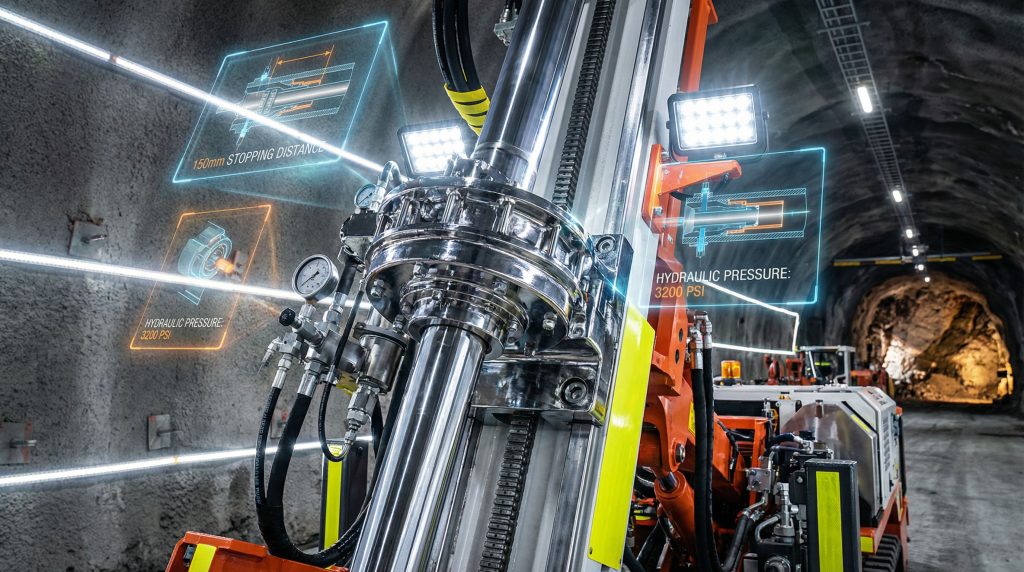
Long Hole Plug (LHP) systems represent a specialised approach to arresting falling components in underground drilling operations. These systems utilise inflatable or mechanical plugs that can be deployed within drill holes to create physical barriers against descending equipment. LHP systems typically achieve stopping distances of approximately 150 millimetres when properly deployed, providing effective protection in specific applications.
However, the performance metrics for LHP systems vary significantly based on installation conditions and component specifications. Inflatable plug systems offer advantages in irregular hole configurations but require compressed air or hydraulic activation systems that may not be immediately available during emergency conditions. Mechanical plug systems provide more reliable activation but may have limitations in varying hole diameters or irregular geological formations.
Field testing results from underground mining operations have demonstrated the effectiveness of LHP systems in controlled scenarios. However, real-world applications have revealed limitations related to deployment time, operator training requirements, and integration with existing drilling equipment. These factors have influenced the development of more automated safety solutions that reduce reliance on operator intervention during emergency situations.
Traditional Safety Measures vs. Modern Brake Systems
Grouting and plating effectiveness represents the traditional approach to securing drill holes and preventing component drops in underground mining. These methods involve filling void spaces with cement-based materials or installing physical barriers to contain potential hazards. Whilst proven effective in specific applications, grouting and plating approaches require advance planning and may not provide immediate protection during active drilling operations.
The limitations of traditional approaches become apparent in high-productivity drilling operations where rapid equipment deployment and retrieval are essential. Grouting procedures typically require curing time that interrupts drilling activities, whilst plating installations may not accommodate the variety of equipment sizes and configurations used in modern exploration programs. These limitations have driven the development of systems that provide immediate protection without operational interruption.
Comparison of safety system characteristics:
| System Type | Response Time | Installation Requirements | Operational Impact | Equipment Protection |
|---|---|---|---|---|
| Traditional Grouting | Hours to days | Advance planning required | Significant downtime | Limited effectiveness |
| Mechanical Plugs | Minutes to hours | Manual deployment | Moderate downtime | Good in specific conditions |
| Automated Brake Systems | Milliseconds | Integrated installation | Minimal impact | Comprehensive protection |
Cost-benefit analysis of different safety approaches must consider both direct implementation costs and the broader operational implications of each system. Whilst automated brake systems may require higher initial investment, their ability to prevent equipment damage and minimise operational downtime often results in favourable long-term economics. Traditional systems may have lower initial costs but can result in higher operational expenses due to downtime and limited effectiveness.
Impact resistance testing and failure analysis provide critical data for comparing safety system effectiveness. Automated brake systems typically undergo extensive testing to verify their ability to arrest falling components under various load conditions and environmental scenarios. This testing data enables more accurate risk assessment and system selection based on specific operational requirements.
Technical Specifications and Performance Standards for Underground Safety Systems
The development and deployment of underground drilling safety systems requires adherence to rigorous technical specifications that ensure reliable performance in challenging mining environments. These specifications encompass mechanical design parameters, performance thresholds, testing protocols, and integration requirements that collectively define system effectiveness. Understanding these technical requirements is essential for mining operations seeking to implement advanced safety technologies that align with modern Epiroc safety solutions.
Performance standards for uphole brake in underground drilling safety systems must account for the unique challenges of subterranean environments, including limited access for maintenance, variable environmental conditions, and the need for integration with existing mining infrastructure. These standards typically exceed those required for surface drilling operations due to the increased consequences of system failure in underground settings.
Installation Requirements and System Integration
Head assembly modification specifications define the mechanical and electrical changes required to integrate uphole brake systems with existing drilling equipment. These modifications typically involve mounting brackets, sensor installations, and control system interfaces that must be compatible with various drilling rig configurations. The modification process must maintain the structural integrity of the drilling system whilst adding safety functionality.
In addition, compatibility with existing drilling equipment represents a critical factor in safety system selection and implementation. Modern uphole brake systems are designed to integrate with multiple drilling rig models and manufacturers, requiring standardised interface specifications and modular design approaches. This compatibility ensures that safety upgrades can be implemented without requiring complete equipment replacement.
Maintenance protocols and inspection schedules for underground safety systems must account for the challenging access conditions typical of underground mining environments. These protocols typically specify inspection frequencies, component replacement schedules, and performance verification procedures that can be conducted with available underground maintenance resources. Regular maintenance is essential for ensuring continuous safety system effectiveness.
Performance Standards and Testing Protocols
Drop test requirements establish the fundamental performance criteria for uphole brake systems by simulating the conditions that occur during component failure scenarios. These tests typically involve dropping weighted objects representing drilling components from specified heights to verify that brake systems can arrest the fall within acceptable distances and forces. Test protocols must simulate realistic underground conditions including confined spaces and limited clearances.
Furthermore, impact resistance testing protocols evaluate the ability of safety systems to withstand the forces generated during emergency braking operations. These tests assess both the mechanical integrity of braking components and the structural adequacy of mounting systems under high-load conditions. The testing must verify that safety systems can function repeatedly without degradation or failure.
Underground field testing methodologies provide validation of safety system performance under actual operating conditions. These testing programs typically involve controlled deployment of safety systems during normal drilling operations to verify proper function and identify any operational issues not apparent during laboratory testing. Field testing is essential for confirming that systems perform as designed in real-world underground environments, similar to comprehensive evaluations conducted by specialized drilling contractors.
Critical testing parameters for uphole brake systems:
• Maximum arrest distance under various load conditions
• Response time from hazard detection to brake engagement
• System reliability over extended operating periods
• Environmental resistance to underground conditions
• Integration compatibility with drilling equipment
Safety certification and compliance frameworks establish the regulatory requirements that underground drilling safety systems must meet before deployment in mining operations. These frameworks typically involve third-party testing and certification processes that verify compliance with applicable safety standards and regulatory requirements. Certification provides assurance that safety systems will perform as intended and meet legal obligations for worker protection.
The next major ASX story will hit our subscribers first
Automation Integration and Enhanced Safety Protocols in Underground Drilling
The integration of automation technologies with underground drilling safety systems represents a significant advancement in mining safety and operational efficiency. Automated systems provide consistent performance that eliminates human error factors whilst enabling more sophisticated safety responses than traditional manual systems. The combination of automation and safety technologies creates synergistic benefits that enhance both protection and productivity in underground drilling operations.
Modern automation systems in underground drilling extend beyond simple mechanisation to incorporate intelligent monitoring, predictive analytics, and adaptive control systems. These capabilities enable proactive safety management that can identify and respond to potential hazards before they develop into dangerous situations. The predictive capabilities of advanced automation systems represent a paradigm shift from reactive to proactive safety management.
Automated Rod Magazine Systems and Safety Integration
Operator fatigue reduction through automation addresses one of the most significant human factors affecting underground drilling safety. Manual drilling operations require sustained attention and physical effort that can lead to decreased alertness and increased error rates over extended work periods. Automated systems like the Diamec Automated Rod Magazine system enable continuous operation whilst reducing operator workload and maintaining consistent performance standards.
The implementation of automated rod handling systems in underground environments provides multiple safety benefits beyond fatigue reduction. These systems eliminate manual handling of heavy drilling components, reduce exposure to pinch points and crush hazards, and provide consistent positioning accuracy that improves overall drilling precision. The automation also enables better documentation of drilling parameters for safety analysis and process improvement.
Consistency improvements in drilling operations through automation create more predictable conditions that enhance safety system effectiveness. Automated systems operate within defined parameters that create stable conditions for safety monitoring and intervention systems. This consistency reduces the likelihood of unexpected situations that might challenge safety system capabilities or operator response.
Ergonomic and Productivity Benefits
Workplace safety environment improvements through automation extend beyond immediate physical hazards to encompass broader occupational health considerations. Automated systems reduce operator exposure to noise, vibration, and repetitive motion hazards common in drilling operations. These improvements contribute to long-term worker health and can reduce injury rates and workers' compensation costs over time.
Consequently, automated extraction and reentry procedures provide standardised processes that reduce the potential for procedural errors or safety oversights. These automated procedures incorporate safety checkpoints and verification steps that ensure proper system configuration before drilling operations commence. The standardisation also facilitates training and reduces the learning curve for new operators.
Predefined positioning systems enhance operational control by ensuring consistent equipment placement and reducing the potential for positioning errors that could compromise safety or drilling effectiveness. These systems typically incorporate sensor feedback and automatic adjustment capabilities that maintain proper equipment alignment throughout drilling operations. The improved positioning accuracy also enhances the effectiveness of safety monitoring systems.
Key benefits of automation integration:
• Reduced operator fatigue and associated error rates
• Consistent performance independent of human factors
• Enhanced safety monitoring and response capabilities
• Improved operational documentation and analysis
• Standardised procedures that reduce training requirements
Implementation Strategies for Underground Drilling Safety Systems
Successful implementation of advanced underground drilling safety systems requires comprehensive planning that addresses technical, operational, and human factors considerations. The complexity of underground mining environments and the critical importance of safety system reliability demand systematic approaches to technology deployment. Effective implementation strategies must balance immediate safety improvements with long-term operational objectives whilst ensuring seamless integration with existing mining operations.
The unique challenges of underground mining environments require specialised implementation approaches that differ significantly from surface mining or construction applications. Limited access, confined working spaces, and the need for continuous operations create constraints that must be carefully managed throughout the implementation process. These factors influence equipment selection, installation procedures, and ongoing maintenance strategies, reflecting broader considerations in mine reclamation innovation.
Mine-Specific Deployment Considerations
Underground environment assessment protocols establish the foundation for successful safety system implementation by identifying site-specific factors that influence system design and deployment. These assessments typically evaluate geological conditions, existing infrastructure, power availability, and environmental factors such as temperature, humidity, and air quality. The assessment results inform system specification and installation planning to ensure optimal performance in the specific underground conditions.
Equipment compatibility evaluation procedures verify that proposed safety systems will integrate effectively with existing drilling equipment and mine infrastructure. This evaluation process typically involves detailed analysis of mechanical interfaces, electrical compatibility, control system integration, and operational procedure modifications. Compatibility assessment helps prevent implementation delays and ensures that safety upgrades enhance rather than complicate existing operations.
Training requirements for operational personnel represent a critical success factor for safety system implementation. Underground drilling safety systems often incorporate sophisticated technologies that require specialised knowledge for effective operation and maintenance. Training programs must address both technical aspects of system operation and the integration of new safety procedures with existing operational practices. Effective training ensures that personnel can maximise safety benefits whilst maintaining operational efficiency.
Cost-Effectiveness and ROI Analysis
Safety incident reduction quantification provides a framework for evaluating the economic benefits of underground drilling safety system implementation. This analysis typically considers historical incident rates, associated costs, and the projected reduction in safety events following system deployment. The quantification must account for both direct costs such as medical expenses and indirect costs including operational disruption and regulatory compliance.
Furthermore, equipment damage prevention calculations assess the potential cost savings from preventing drilling equipment damage during safety incidents. Underground drilling equipment represents significant capital investment, and damage incidents can result in substantial repair costs and operational downtime. Safety systems that prevent equipment damage provide direct economic benefits that often justify implementation costs within relatively short payback periods.
Economic factors in safety system ROI analysis:
• Reduction in workplace injury incidents and associated costs
• Prevention of equipment damage and associated repair expenses
• Minimisation of operational downtime from safety incidents
• Improved regulatory compliance and reduced penalty risks
• Enhanced operational efficiency through automated safety systems
Operational efficiency improvements through enhanced safety create additional economic benefits beyond direct safety cost savings. Modern safety systems often incorporate automation features that improve drilling precision, reduce cycle times, and enhance overall productivity. These operational improvements provide ongoing economic benefits that contribute to positive return on investment for safety system implementation.
Evolution of Underground Drilling Safety Standards and Industry Trends
The evolution of underground drilling safety standards reflects the mining industry's continuous commitment to improving worker protection and operational safety. Modern safety standards incorporate lessons learned from decades of mining experience, advances in technology, and evolving understanding of risk management principles. The development of these standards involves collaboration between mining companies, equipment manufacturers, regulatory agencies, and academic institutions to ensure comprehensive and practical safety requirements.
Industry trends in underground drilling safety demonstrate a clear progression toward more sophisticated, automated, and integrated safety systems. This evolution is driven by technological advances, regulatory pressures, and industry recognition that effective safety management enhances both worker protection and operational performance. The convergence of safety and productivity objectives has accelerated the adoption of advanced safety technologies throughout the mining industry.
Industry Trend Analysis: Automation and Safety Integration
Technology convergence in mining equipment design represents a fundamental shift toward integrated systems that combine multiple functions within unified platforms. Modern drilling equipment increasingly incorporates safety, automation, and operational control systems within cohesive architectures that provide enhanced functionality whilst simplifying operation and maintenance. This convergence enables more sophisticated safety responses whilst reducing system complexity and training requirements.
Regulatory compliance requirements for underground operations continue to evolve as regulatory agencies incorporate new technologies and risk management approaches into safety standards. These evolving requirements often drive innovation in safety technology as equipment manufacturers develop solutions to meet emerging regulatory expectations. The regulatory environment also influences industry adoption patterns as mining companies seek to maintain compliance whilst optimising operational performance.
Future developments in drilling safety systems are likely to incorporate artificial intelligence, machine learning, and predictive analytics to create even more sophisticated safety management capabilities. These technologies will enable safety systems to learn from operational patterns, predict potential hazards, and optimise safety responses based on real-world performance data. The integration of these advanced technologies will further enhance the effectiveness of uphole brake in underground drilling safety systems.
Global Best Practices and Implementation Examples
International safety standard comparisons reveal significant variations in regulatory requirements and industry practices across different mining jurisdictions. These variations reflect differences in geological conditions, regulatory philosophies, and industry maturity levels. Understanding these differences is essential for multinational mining companies and equipment manufacturers developing global safety strategies.
Case studies from major underground mining operations provide valuable insights into the practical implementation and effectiveness of advanced drilling safety systems. These examples demonstrate both the benefits and challenges associated with safety system deployment whilst providing guidance for other operations considering similar implementations. The case studies often reveal unexpected benefits and implementation considerations not apparent during initial planning phases.
Global trends in underground drilling safety:
• Increased regulatory emphasis on preventive safety measures
• Growing adoption of automated safety systems
• Integration of safety systems with operational monitoring platforms
• Enhanced training requirements for advanced safety technologies
• Greater emphasis on data collection and analysis for safety improvement
Technology adoption patterns across different mining regions reflect variations in regulatory requirements, economic conditions, and industry culture. Leading mining regions often pioneer new safety technologies that subsequently spread to other areas as the benefits become apparent and costs decrease. Understanding these adoption patterns helps predict future technology deployment and market development.
Selection Criteria and Decision Framework for Underground Safety Systems
The selection of appropriate underground drilling safety systems requires systematic evaluation of multiple factors that influence both safety effectiveness and operational compatibility. Mining operations must balance immediate safety requirements with long-term operational objectives whilst considering the unique characteristics of their specific underground environments. A structured decision framework helps ensure that safety system selection optimises protection whilst maintaining operational efficiency and economic viability.
The complexity of underground mining environments and the critical importance of safety system reliability demand comprehensive evaluation processes that consider technical, operational, and economic factors. These evaluations must account for both current operational requirements and future expansion plans to ensure that safety system investments provide long-term value. The selection process should also consider the potential for technology evolution and system upgrade capabilities.
Technical Evaluation Criteria
System reliability and performance specifications establish the foundation for safety system evaluation by defining the operational requirements that systems must meet. These specifications typically address response times, activation thresholds, environmental resistance, and operational lifecycle requirements specific to underground drilling applications. The specifications must be realistic and achievable whilst ensuring adequate safety protection for anticipated operational scenarios.
Integration complexity with existing equipment represents a critical factor that influences both implementation costs and operational effectiveness. Systems that require extensive modifications to existing equipment typically involve higher implementation costs and greater operational disruption during installation. Conversely, systems designed for seamless integration can often be deployed with minimal operational impact whilst providing comprehensive safety enhancement.
Maintenance requirements and operational support needs significantly influence the total cost of ownership for underground drilling safety systems. Underground environments often limit access for maintenance activities and may require specialised tools or procedures for system servicing. Safety systems with minimal maintenance requirements and robust design typically provide better long-term value whilst ensuring consistent safety protection.
Implementation Planning and Risk Assessment
Site-specific hazard evaluation procedures provide the foundation for safety system selection by identifying the particular risks present in each underground operation. These evaluations must consider geological conditions, operational practices, equipment configurations, and personnel factors that influence safety requirements. The hazard evaluation results inform system specification and help prioritise safety system features based on actual risk levels.
Training program development requirements vary significantly based on the complexity of selected safety systems and the existing skill levels of operational personnel. Advanced safety systems may require specialised training programs that address both technical operation and integration with existing safety procedures. Effective training programs ensure that personnel can optimise safety system benefits whilst maintaining operational efficiency.
Critical factors in safety system selection:
• Compatibility with existing drilling equipment and operations
• Proven reliability in similar underground mining environments
• Availability of technical support and spare parts
• Training requirements and operator acceptance factors
• Total cost of ownership including implementation and maintenance
• Regulatory compliance and certification status
• Potential for future upgrades and technology evolution
Performance monitoring and continuous improvement protocols establish frameworks for ongoing safety system optimisation and effectiveness verification. These protocols typically include performance metrics, data collection procedures, and analysis methods that enable continuous improvement of safety system effectiveness. Regular monitoring ensures that safety systems continue to provide optimal protection as operational conditions evolve.
Disclaimer: The information presented in this analysis is based on available technical literature and industry practices as of early 2026. Safety system selection and implementation should always involve consultation with qualified mining safety professionals and comply with applicable regulatory requirements. Performance specifications and capabilities may vary based on specific operational conditions and equipment configurations.
Ready to Capitalise on the Next Major Mineral Discovery?
Discovery Alert's proprietary Discovery IQ model instantly alerts investors to significant ASX mineral discoveries, turning complex exploration data into actionable trading opportunities. Just as advanced safety systems like uphole brakes revolutionise underground operations, our real-time discovery alerts revolutionise how investors identify and capitalise on major mining breakthroughs before the broader market reacts. Begin your 14-day free trial today to gain the market-leading edge that separates successful mining investors from those who miss the most profitable opportunities.