
June 11, 2026
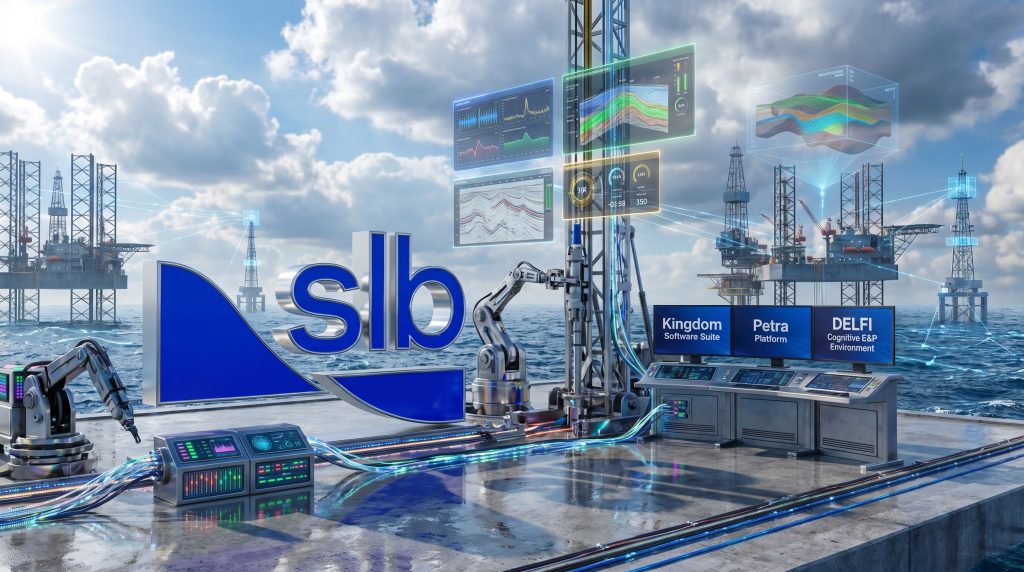
The upstream energy sector stands at a pivotal juncture where operational excellence increasingly depends on seamless integration of subsurface intelligence and real-time field optimization. Traditional approaches that compartmentalized geological interpretation, reservoir engineering, and drilling operations into separate software silos are giving way to comprehensive digital ecosystems that promise transformational efficiency gains. This fundamental shift toward unified platforms reflects broader industry recognition that competitive advantage now derives from the speed and accuracy of data-driven operations rather than individual tool sophistication.
The economics driving this transformation extend beyond simple software consolidation. Energy companies face mounting pressure to optimise capital deployment while maintaining operational safety and environmental compliance across increasingly complex unconventional drilling programs. Integrated digital platforms offer the potential to compress decision cycles, reduce interpretation errors, and enable real-time optimisation strategies that were previously impossible with fragmented toolsets.
Understanding the Strategic Context Behind Major Software Consolidation
Market Forces Reshaping Digital Infrastructure Investment
The upstream software landscape has evolved from specialised point solutions toward comprehensive platforms that integrate multiple technical disciplines. This shift reflects fundamental changes in how energy companies approach digital transformation investments, moving away from departmental software purchases toward enterprise-wide technology strategies that mirror the broader industry digital evolution.
Several factors drive this consolidation trend:
- Operational complexity in unconventional resources: Shale drilling operations require rapid integration of geological, geophysical, and engineering data to optimise well placement and completion designs
- Cost pressure on technology spending: Energy companies seek to reduce IT overhead while maximising functional capabilities
- Data integration challenges: Legacy systems often create workflow bottlenecks that integrated platforms can eliminate
- Scalability requirements: Growing drilling programs demand software architectures capable of handling massive datasets and concurrent users
The SLB acquisition of S&P Global upstream software represents a significant example of this industry-wide platform consolidation strategy. By combining complementary technical capabilities, service companies can offer more comprehensive solutions while potentially reducing customer technology management complexity.
Technical Dependencies and Workflow Integration Requirements
Modern upstream operations depend on sophisticated software workflows that span multiple technical disciplines. Seismic interpretation feeds geological models that inform reservoir characterisation, which subsequently guides drilling optimisation and completion design. Each handoff between software platforms introduces potential delays, data quality issues, and interpretation inconsistencies.
Integrated platforms address these challenges through several mechanisms:
Unified Data Management: Centralised databases eliminate file format conversion requirements and maintain data integrity across technical workflows.
Standardised Interpretation Protocols: Common algorithms and calibration procedures reduce variability between different technical teams.
Real-Time Collaboration Tools: Simultaneous access to shared models enables faster cross-functional decision making.
Automated Quality Control: Systematic validation procedures identify potential errors before they propagate through downstream analyses.
When big ASX news breaks, our subscribers know first
Analysing SLB's Digital Portfolio Expansion Strategy
Core Technology Integration and Capability Enhancement
The SLB acquisition of S&P Global upstream software appears strategically positioned to address specific gaps in daily operational workflows. While SLB's existing DELFI platform provides advanced simulation and modelling capabilities, the acquired portfolio focuses on fundamental interpretation and analysis tools used throughout project lifecycles.
Key technical components reportedly include:
| Software Platform | Primary Function | Operational Application |
|---|---|---|
| Kingdom Suite | Seismic interpretation and geological modelling | Regional prospect evaluation and drilling target identification |
| Petra Platform | Petrophysical analysis and well log interpretation | Formation evaluation and completion optimisation |
| Harmony Enterprise | Integrated reservoir characterisation | Field development planning and production forecasting |
| Analytics Explorer | Data visualisation and subsurface analytics | Cross-functional data analysis and reporting |
These tools complement SLB's existing high-end capabilities by addressing routine technical tasks that occur across most upstream projects. Rather than competing with DELFI's advanced simulation features, they provide foundational workflows that feed into more sophisticated analyses.
Artificial Intelligence Integration Pathways
The strategic value of software portfolio consolidation extends beyond workflow integration to encompass machine learning model development and deployment. Integrated platforms enable access to larger, more diverse datasets that can improve AI algorithm training and validation, similar to how AI transforming drilling operations in other sectors.
Potential AI enhancement areas include:
- Automated seismic interpretation: Machine learning models trained on regional geological patterns to accelerate fault identification and horizon picking
- Predictive drilling optimisation: Real-time parameter adjustment based on offset well performance and subsurface model updates
- Reservoir property prediction: Integration of multiple data types to improve porosity, permeability, and saturation estimates
- Anomaly detection systems: Automated identification of data quality issues or operational irregularities
The success of these AI applications depends heavily on data quality, standardisation, and volume. Consolidated platforms provide better opportunities to achieve the scale necessary for robust machine learning model development and AI-enabled efficiency.
Market Dynamics Driving Software Sector Restructuring
Strategic Repositioning in Data Services Markets
S&P Global's reported divestiture of upstream software assets reflects broader strategic repositioning within the energy information sector. Data companies increasingly focus on high-margin analytics and intelligence services rather than software licensing, seeking recurring revenue models with stronger competitive moats.
This transition involves several key elements:
Revenue Model Optimisation: Subscription-based data services typically generate higher margins and more predictable cash flows than software licensing arrangements.
Competitive Differentiation: Proprietary datasets and analytical insights are more defensible than software features that competitors can replicate.
Market Coverage Expansion: Data platforms can serve broader customer bases without the technical support requirements of complex software installations.
The reported launch of AI-powered upstream intelligence platforms covering global markets represents this strategic pivot toward data monetisation rather than software tool provision. Such platforms leverage automated analytics to deliver insights without requiring customers to operate sophisticated software environments.
Industry Digital Transformation Acceleration
The SLB acquisition of S&P Global upstream software occurs within a broader context of accelerating digital transformation across upstream operations. Traditional approaches characterised by manual interpretation, siloed technical workflows, and batch processing are being replaced by integrated, automated systems that enable real-time optimisation.
| Traditional Workflow Model | Integrated Platform Model |
|---|---|
| Manual data interpretation across multiple software tools | Automated analysis with human oversight |
| Sequential technical handoffs between departments | Parallel processing with real-time collaboration |
| Periodic optimisation based on historical performance | Continuous adjustment using real-time data feeds |
| Point solutions requiring separate licences and training | Unified platforms with consistent user interfaces |
This transformation reflects fundamental changes in upstream economics, where operational efficiency gains can significantly impact project economics. Reduced interpretation time, faster decision cycles, and improved drilling optimisation contribute directly to capital efficiency and operational profitability.
Operational Impact Analysis for Upstream Companies
Workflow Integration and Decision Cycle Acceleration
Integrated digital platforms promise to transform daily operational routines across upstream organisations. Traditional workflows often involve multiple software platforms, manual data transfers, and sequential interpretation processes that can extend decision timelines and introduce quality control challenges.
Expected improvements include:
Accelerated Geological Interpretation: Automated processing of seismic and well log data reduces time required for initial interpretation, enabling geologists to focus on complex analysis and geological uncertainty assessment.
Enhanced Cross-Functional Collaboration: Real-time access to shared subsurface models enables drilling engineers, completions specialists, and production teams to collaborate more effectively during well planning and execution.
Continuous Optimisation Feedback: Integration between subsurface models and field operations enables real-time drilling parameter adjustment and geosteering optimisation based on updated geological understanding.
Reduced Technical Risk: Standardised workflows and automated quality control procedures minimise interpretation errors and improve consistency across technical teams.
Implications for Smaller Independent Operators
While integrated platforms offer significant operational benefits, they may create challenges for smaller independent operators who have historically relied on cost-effective point solutions or older software versions. Several factors could impact adoption:
- Increased subscription costs: Transition from perpetual software licences to subscription models may increase annual technology expenses
- Technical integration requirements: Unified platforms may require data standardisation and systems integration work that strains limited IT resources
- Training and change management: Workflow modifications typically require significant staff retraining and process documentation updates
- Vendor dependency concerns: Reliance on integrated platforms from major service companies may reduce competitive options and increase switching costs
Smaller operators may need to evaluate whether operational efficiency gains justify increased technology costs, or whether alternative solutions such as cloud-based platforms or open-source tools provide more appropriate cost-benefit profiles.
Strategic Scenario Analysis: Integration Outcomes and Market Response
Successful Platform Unification Scenario
The most likely outcome involves smooth technical integration that preserves existing user workflows while delivering measurable efficiency improvements. This scenario assumes SLB successfully maintains software functionality during migration while implementing enhanced AI capabilities that provide tangible operational value.
Success indicators would include:
- User adoption rates exceeding 80% within 18 months of integration completion
- Documented workflow efficiency improvements of 15-25% in interpretation and analysis tasks
- Customer retention rates above 90% across the combined software portfolio
- Successful deployment of new AI-enabled features that demonstrate measurable accuracy improvements
This scenario enables SLB to expand market share in unconventional drilling segments while generating revenue synergies through cross-selling opportunities across the combined customer base.
Integration Challenges and Competitive Response Scenario
Alternative outcomes could involve technical compatibility issues, user resistance to workflow changes, or aggressive competitive responses that limit market share gains. Legacy system dependencies and operator reluctance to modify established technical procedures could slow adoption rates.
Risk factors include:
- Complex data migration requirements that disrupt ongoing projects
- User community resistance to interface changes or modified interpretation procedures
- Competitive platform enhancements from Halliburton's LANDMARK or Baker Hughes digital offerings
- Regulatory delays affecting integration timeline or market access
This scenario would result in partial value realisation from the acquisition investment, potentially requiring additional development resources or timeline extensions to achieve projected benefits.
Market Disruption Through Technology Evolution
A lower-probability but potentially significant scenario involves fundamental disruption of traditional upstream software markets through cloud-native platforms, open-source alternatives, or breakthrough AI capabilities that obsolete current technical approaches.
Disruptive factors could include:
- Cloud-first startups offering superior user experiences through modern software architectures
- Open-source interpretation tools gaining adoption amongst cost-conscious operators
- Breakthrough machine learning capabilities that automate traditionally manual interpretation tasks
- Alternative business models that provide comparable functionality at significantly lower costs
This scenario would require rapid strategic adaptation and potentially accelerated technology development to maintain competitive positioning.
Regulatory and Competitive Dynamics
Antitrust Considerations and Market Concentration
The SLB acquisition of S&P Global upstream software occurs within a regulatory environment increasingly focused on technology market concentration and competitive dynamics. Furthermore, this transaction reflects broader industry consolidation trends across multiple sectors. Antitrust authorities typically evaluate upstream software transactions based on market share in specific segments, vertical integration concerns, and potential barriers to competition.
Key evaluation criteria include:
Market Concentration Metrics: Analysis of combined market share in seismic interpretation, petrophysical analysis, and integrated reservoir modelling software segments.
Vertical Integration Assessment: Examination of how software ownership by a major service company might affect customer choice or competitive access to essential technical tools.
Innovation Impact: Evaluation of whether consolidation enhances or reduces incentives for continued software development and technological advancement.
International Considerations: Review of market impacts across multiple jurisdictions, particularly in regions with significant upstream activity.
Regulatory approval timelines and potential conditions could affect integration planning and competitive positioning during the transition period.
Competitive Response Strategies
Major competitors are likely to respond to SLB's enhanced software portfolio through accelerated platform development, strategic partnerships, or alternative acquisition strategies. Each competitor faces different strategic imperatives based on their existing technology portfolios and market positioning.
Halliburton's potential responses:
- Enhanced LANDMARK platform development with improved AI capabilities
- Strategic partnerships with independent software vendors or technology companies
- Accelerated cloud platform deployment to compete on accessibility and user experience
Baker Hughes positioning:
- Increased focus on industrial IoT integration and operational technology convergence
- Partnership strategies leveraging parent company GE's digital transformation experience
- Development of specialised solutions for renewable energy and carbon management applications
Independent software vendor strategies:
- Increased collaboration and partnership agreements to compete with integrated platforms
- Focus on specialised capabilities or niche market segments
- Development of cloud-native architectures that offer superior scalability and cost efficiency
The next major ASX story will hit our subscribers first
Investment Analysis and Valuation Framework
Financial Performance Evaluation Criteria
The success of the SLB acquisition of S&P Global upstream software will ultimately be measured through quantifiable financial and operational metrics that demonstrate value creation for both SLB shareholders and customer organisations.
Revenue synergy opportunities:
- Cross-selling potential across combined customer bases
- Upselling opportunities through integrated platform capabilities
- Geographic expansion using established customer relationships
- New product development leveraging combined technical capabilities
Cost optimisation potential:
- Reduced research and development duplication
- Consolidated customer support and training operations
- Streamlined software maintenance and infrastructure costs
- Operational efficiency gains through automated workflows
Market position enhancement:
- Increased competitive differentiation through comprehensive platform offerings
- Enhanced customer retention through integrated workflow dependencies
- Improved pricing power based on superior technical capabilities
- Strategic positioning for future technology development and deployment
Investment Performance Monitoring Framework
| Performance Category | Key Metrics | Target Timeline |
|---|---|---|
| User Adoption | Active user count, platform utilisation rates | 12-18 months |
| Financial Integration | Revenue synergies, cost reduction achievement | 18-24 months |
| Technology Development | New feature releases, AI capability deployment | 24-36 months |
| Market Position | Customer retention, competitive win rates | Ongoing |
Long-term success requires sustained investment in technology development, customer support, and competitive differentiation to justify the acquisition premium and achieve projected returns.
Future Technology Convergence Implications
Industry Digital Evolution Trajectories
The SLB acquisition of S&P Global upstream software represents one milestone in broader industry evolution toward comprehensive digital ecosystems that integrate subsurface characterisation, field operations, and business analytics. Future developments are likely to encompass additional convergence areas:
Operational Technology Integration: Connection between subsurface models and field automation systems to enable real-time optimisation across the entire production system.
Financial Analytics Integration: Incorporation of economic modelling and risk assessment tools that automatically update project economics based on technical performance data.
Environmental Monitoring Integration: Real-time environmental compliance tracking and optimisation integrated with operational decision-making systems.
Supply Chain Optimisation: Integration of drilling and completion optimisation with equipment availability, logistics planning, and vendor management systems.
These convergence trends suggest that future competitive advantage will derive from comprehensive platform capabilities rather than excellence in individual technical functions.
Capital Allocation and Technology Investment Implications
The shift toward integrated digital platforms influences how upstream companies approach technology investment decisions and capital allocation strategies. Traditional departmental software purchases are being replaced by enterprise-wide digital transformation programs that require coordination across technical, operational, and financial functions.
Investment prioritisation factors:
- Platform scalability and flexibility to accommodate growth and operational changes
- Integration capabilities with existing systems and data sources
- Vendor stability and long-term technology roadmap alignment
- Total cost of ownership including training, support, and infrastructure requirements
Energy companies increasingly evaluate technology investments based on comprehensive operational impact rather than individual tool functionality, reflecting recognition that competitive advantage derives from integrated capability enhancement rather than point solution optimisation.
Implementation Timeline and Critical Success Factors
Integration Milestones and Risk Management
Successful completion of the SLB acquisition of S&P Global upstream software requires careful management of technical integration, user migration, and competitive positioning throughout the transition period. Critical milestones include:
Regulatory Completion Phase (H2 2026):
- Antitrust approval across relevant jurisdictions
- Regulatory condition negotiation and compliance planning
- Preliminary integration strategy development
Technical Integration Phase (Q1-Q3 2027):
- Data architecture compatibility assessment and resolution
- User interface standardisation and workflow preservation
- Beta testing with selected customer organisations
- AI capability development and validation
Commercial Launch Phase (Q4 2027):
- Full platform availability and customer migration
- Training programme deployment and support infrastructure activation
- Competitive positioning and market communication strategies
- Performance monitoring and optimisation feedback implementation
Success depends on maintaining operational continuity for existing users while delivering meaningful enhancements that justify potential workflow disruptions and cost adjustments.
Long-Term Strategic Positioning
The ultimate success of this acquisition extends beyond technical integration to encompass sustained competitive differentiation and market leadership in digital upstream solutions. Key success factors include:
Continuous Innovation: Ongoing development of AI capabilities, automation features, and workflow optimisation tools that maintain technological leadership.
Customer Relationship Management: Preservation of existing customer relationships while expanding penetration across the combined user base.
Competitive Response: Effective competition against alternative platforms while defending market share in core segments.
Technology Evolution: Adaptation to changing industry requirements including renewable energy integration, carbon management, and operational sustainability priorities.
As reported by Morningstar, this strategic transaction represents a significant move toward comprehensive digital platform leadership, with implications extending throughout the upstream technology landscape. Success will depend on execution quality, market acceptance, and sustained innovation that delivers measurable value to energy companies operating in increasingly complex and competitive environments.
This transaction signals fundamental recognition that competitive advantage in upstream operations increasingly derives from integrated data-to-insights capabilities rather than individual software tool excellence, potentially accelerating similar consolidation initiatives across the broader energy technology sector. The outcome will influence how energy companies approach digital transformation investments and technology vendor relationships throughout the evolving upstream landscape.
Disclaimer: This analysis is based on publicly available information and industry observations. Investment decisions should be based on comprehensive due diligence and professional financial advice. Forward-looking statements involve risks and uncertainties that may cause actual results to differ from projections.
Looking to Capitalise on Energy Sector Technology Transformations?
While energy companies pursue digital platform consolidation, savvy investors recognise that similar technological disruptions create opportunities across resource sectors. Discovery Alert's proprietary Discovery IQ model delivers instant notifications when significant ASX mineral discoveries are announced, enabling subscribers to identify actionable opportunities in the rapidly evolving resources technology landscape. Start your 14-day free trial today to gain a market-leading edge in the next wave of resource sector innovation.