May 19, 2026
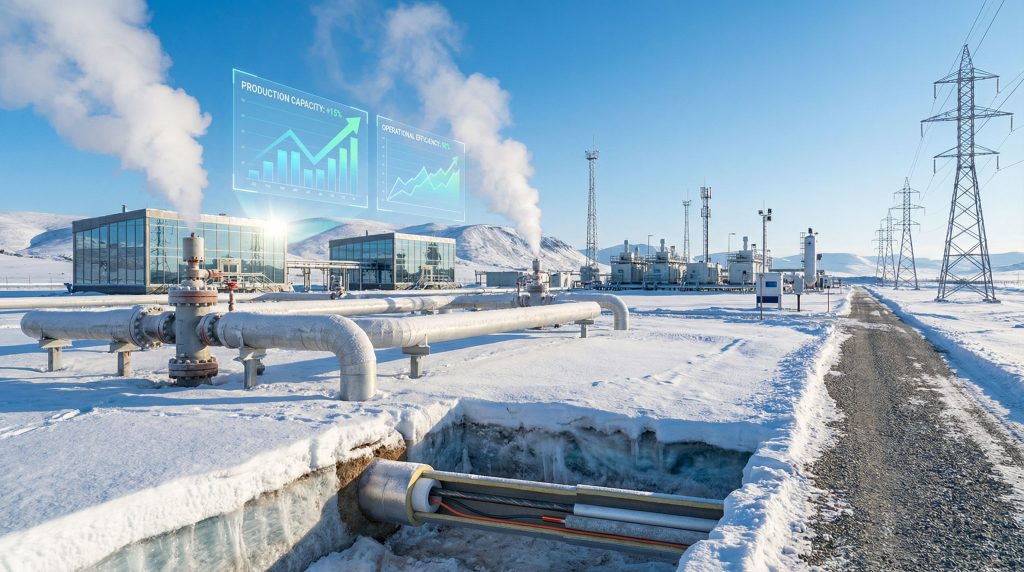
Modern uranium extraction has undergone a technological revolution that extends far beyond traditional mining approaches. While conventional underground and open-pit operations dominated the industry for decades, sophisticated in-situ recovery (ISR) methods now represent the cutting edge of uranium production technology. The engineering complexities of deploying these systems in extreme environments reveal the intricate relationship between geological conditions, infrastructure design, and operational efficiency that defines contemporary uranium mining success.
The transformation from conventional mining to solution-based extraction methods requires fundamental rethinking of infrastructure priorities. Traditional mining operations focus on moving massive quantities of ore and waste rock, while ISR systems demand precision-engineered networks for chemical solution delivery, monitoring, and processing. This paradigm shift creates entirely new categories of technical challenges, particularly when operations must function reliably in permafrost conditions where ground stability, temperature fluctuations, and seasonal accessibility constraints demand specialized engineering solutions.
Understanding the Technical Foundation of Solution Mining Systems
In-situ recovery technology represents a sophisticated approach to uranium extraction that operates on principles of controlled chemical dissolution rather than mechanical ore removal. The process involves injecting carefully formulated solutions through injection wells to dissolve uranium-bearing minerals in their natural geological formation. Moreover, the pregnant solution containing dissolved uranium is then recovered through production wells and transported to processing facilities for uranium concentration and purification.
The technical requirements for ISR operations extend significantly beyond simple solution delivery. Understanding in-situ leaching benefits helps operators appreciate the sophisticated nature of these systems. Critical infrastructure components include:
- Well field design and drilling programs with precise spacing and depth specifications
- Solution preparation and injection systems with chemical composition monitoring
- Recovery well networks optimized for solution circulation patterns
- Processing facilities for uranium concentration and purification
- Waste solution treatment and disposal systems meeting environmental standards
Environmental considerations in permafrost regions add multiple layers of complexity to ISR system design. Ground temperatures below freezing for extended periods affect solution flow rates, chemical reaction kinetics, and equipment performance. The presence of permafrost creates natural barriers that can both contain and complicate solution circulation patterns, requiring sophisticated modeling and monitoring to ensure effective uranium recovery while maintaining environmental protection standards.
Operational efficiency factors in remote locations demand integrated infrastructure planning that accounts for equipment accessibility, maintenance requirements, and supply chain logistics. Furthermore, the success of ISR operations depends heavily on maintaining consistent solution chemistry, flow rates, and processing capacity throughout seasonal temperature variations and challenging weather conditions that characterise permafrost environments.
When big ASX news breaks, our subscribers know first
Engineering Access Infrastructure for Extreme Climate Operations
Service road networks in permafrost conditions require specialised engineering approaches that address ground stability, seasonal access, and equipment transportation needs. Construction specifications must account for active layer thickness variations, frost heave potential, and seasonal ground movement that can damage conventional road surfaces and foundations.
Engineering requirements for permafrost construction involve:
- Thermal management systems to prevent ground temperature disruption
- Flexible pavement designs accommodating seasonal ground movement
- Drainage systems managing seasonal water flow and ice formation
- Load distribution specifications for heavy equipment transportation
Equipment transportation logistics become particularly complex when operations must maintain year-round accessibility for both routine maintenance and emergency response situations. Heavy drilling rigs, processing equipment, and chemical supply deliveries require road systems capable of supporting substantial axle loads while maintaining structural integrity through multiple freeze-thaw cycles.
Pipeline distribution systems for solution delivery represent one of the most technically demanding aspects of ISR infrastructure. The pipelines must transport specialised chemical solutions across varying distances while maintaining solution temperature, preventing freezing, and ensuring leak-free operation in ground conditions that experience significant thermal cycling.
Solution delivery infrastructure design considerations include:
| System Component | Technical Requirement | Permafrost Adaptation |
|---|---|---|
| Pipeline Material | Corrosion resistance | Thermal expansion joints |
| Insulation System | Heat retention | Ground thermal protection |
| Flow Management | Pressure regulation | Freeze prevention protocols |
| Monitoring Network | Leak detection | Real-time temperature tracking |
Chemical transport safety protocols must address the unique challenges of transporting acidic or alkaline leaching solutions through pipeline networks that experience extreme temperature variations. Corrosion resistance becomes critical not only for solution containment but also for preventing environmental contamination in sensitive permafrost ecosystems where natural restoration processes operate on geological timescales.
Power Infrastructure Requirements for Remote Mining Operations
Electrical grid integration challenges in remote uranium mining locations extend beyond simple power delivery to encompass load balancing, backup systems, and energy efficiency optimisation. ISR operations require continuous power for solution pumping, processing equipment, monitoring systems, and facility heating, creating steady electrical demand that must be maintained regardless of weather conditions or seasonal access limitations.
Power transmission line construction in remote areas involves significant capital investment and ongoing maintenance commitments. The infrastructure work for Namaru uranium deposit exemplifies these challenges, where power systems must be designed to operate reliably in permafrost conditions while providing sufficient capacity for expanded operations. Additionally, modern mining operations increasingly integrate AI-driven mining innovations to optimise power consumption and operational efficiency.
Critical power system requirements include:
- Primary transmission capacity for continuous operations
- Backup generation systems for emergency power supply
- Load balancing equipment managing variable demand patterns
- Cold weather performance specifications for extreme temperatures
Communication network integration has evolved from a convenience to an operational necessity in modern uranium mining. Digital connectivity enables real-time monitoring of solution chemistry, flow rates, equipment performance, and environmental parameters that are essential for both operational optimisation and regulatory compliance.
The installation of mobile phone and internet services at remote mining sites reflects the industry's recognition that effective communication infrastructure directly impacts operational safety, efficiency, and regulatory compliance. Real-time data transmission capabilities allow for immediate response to operational anomalies, equipment failures, or environmental monitoring alerts that could otherwise result in production interruptions or compliance violations.
Global Production Capacity and Technology Comparison Analysis
Russian uranium operations occupy a unique position in the global uranium market, combining advanced ISR technology with specialised adaptations for permafrost conditions. JSC Khiagda operates as Russia's leading uranium producer across five deposits in the challenging Bauntovsky Evenki District, demonstrating proven capability for sustainable uranium production in extreme environments. This expertise becomes particularly relevant when considering innovative uranium extraction techniques being developed worldwide.
Global uranium production comparison reveals distinct regional advantages:
| Region | Annual Output | Primary Technology | Infrastructure Focus |
|---|---|---|---|
| Kazakhstan | 21,000+ tonnes | ISL dominant | Automation integration |
| Canada | 7,000+ tonnes | Conventional mining | Remote logistics systems |
| Russia | 2,800+ tonnes | ISL/Conventional mix | Permafrost adaptation |
| Australia | 4,500+ tonnes | Conventional mining | Environmental management |
Technological advantages of ISL methods become particularly apparent when comparing environmental impact, capital requirements, and operational flexibility. ISL operations produce significantly less surface disturbance compared to conventional mining, eliminate the need for extensive waste rock management, and offer scalable production capacity that can be adjusted based on market conditions and reserve characteristics.
The strategic positioning of Russian uranium production reflects broader considerations of energy security and nuclear fuel cycle integration. According to the World Nuclear Association, the gradual increase in production volumes through projects like the Namaru deposit development supports long-term supply commitments to domestic nuclear facilities while maintaining export market participation.
Economic Investment Analysis and Market Implications
Capital expenditure requirements for uranium infrastructure development involve substantial upfront investments in specialised equipment, environmental protection systems, and regulatory compliance infrastructure. The simultaneous construction of service roads, pipelines, power systems, and communication networks requires integrated project management and coordinated investment timing.
Infrastructure investment priorities typically follow this hierarchy:
- Access and transportation systems enabling equipment deployment
- Power and communication infrastructure supporting operations
- Process equipment and monitoring systems for production
- Environmental protection and monitoring for compliance
Strategic supply chain positioning becomes increasingly important as global uranium demand grows alongside nuclear capacity expansion. The development of new reserves through infrastructure investment creates long-term production capacity that can respond to market opportunities while ensuring supply chain reliability for domestic nuclear fuel requirements. However, uranium market volatility continues to influence investment decisions across the sector.
Market impact considerations extend beyond immediate production increases to encompass technology transfer opportunities, regional economic development, and strategic resource positioning. Infrastructure investments create local employment, technology expertise, and supply chain capabilities that generate economic benefits extending well beyond the mining operations themselves.
The implementation of projects like Namaru allows for developing new reserves while gradually increasing uranium production volumes to ensure uninterrupted supplies of strategic raw materials for nuclear industry applications.
Permafrost Engineering Solutions and Environmental Management
Ground stability challenges in permafrost regions require sophisticated engineering approaches that address both thermal management and structural integrity. Foundation systems must accommodate seasonal ground movement while maintaining equipment alignment and structural stability throughout multiple freeze-thaw cycles.
Engineering solutions for frozen ground conditions include:
- Thermosiphon systems maintaining ground temperature stability
- Insulated foundation designs preventing heat transfer to permafrost
- Flexible connection systems accommodating ground movement
- Thermal monitoring networks tracking ground temperature changes
Seasonal construction limitations significantly impact project scheduling and cost management. Construction activities must be carefully timed to work within temperature windows that allow concrete curing, equipment installation, and materials handling while minimising permafrost disturbance.
Environmental monitoring systems for permafrost uranium operations require sophisticated approaches to groundwater protection, wildlife impact assessment, and ecosystem preservation. The unique characteristics of permafrost environments create both natural protection barriers and sensitive ecological conditions that demand specialised monitoring and protection protocols, as outlined by the Australian Government Department of Agriculture, Water and the Environment.
Comprehensive environmental management involves:
- Ground temperature monitoring preventing permafrost degradation
- Groundwater quality assessment protecting water resources
- Wildlife habitat monitoring minimising ecosystem disruption
- Restoration planning ensuring post-operational site recovery
The next major ASX story will hit our subscribers first
Future Technology Integration and Automation Opportunities
Automation and remote operations represent the next frontier in uranium mining infrastructure development. Advanced monitoring systems, autonomous equipment operation, and artificial intelligence applications offer opportunities to improve operational efficiency while reducing human exposure to harsh environmental conditions.
Emerging automation technologies include:
- Autonomous drilling systems reducing personnel requirements
- AI-driven process optimisation improving solution chemistry control
- Predictive maintenance systems preventing equipment failures
- Remote monitoring networks enabling centralised operations management
Sustainability enhancement technologies focus on reducing environmental impact while improving operational efficiency. Renewable energy integration, water recycling systems, and circular economy applications offer opportunities to reduce operational costs while meeting increasingly stringent environmental standards.
The integration of advanced technologies with traditional ISR methods creates opportunities for significant improvements in recovery efficiency, environmental protection, and operational cost management. These developments particularly benefit operations in challenging environments where automation can reduce risks associated with extreme weather conditions and remote location logistics.
Strategic Investment Considerations for Industry Stakeholders
Infrastructure investment priorities for uranium mining operations require careful evaluation of critical path requirements, risk mitigation strategies, and long-term operational benefits. Power systems, access infrastructure, and processing capabilities typically represent the highest priority investments that enable all subsequent operational activities. Consequently, understanding uranium investment strategies becomes crucial for successful project development.
Key investment evaluation criteria include:
- Operational enablement determining which infrastructure enables production
- Risk mitigation effectiveness reducing operational and environmental risks
- Scalability potential supporting future capacity expansion
- Regulatory compliance meeting evolving environmental standards
Weather resilience and redundancy planning become increasingly important as climate patterns evolve and extreme weather events become more frequent. Infrastructure designs must incorporate backup systems, alternative access routes, and emergency response capabilities that ensure operational continuity under adverse conditions.
Market impact considerations extend beyond immediate operational benefits to encompass long-term competitive positioning, technology leadership, and supply chain reliability. Infrastructure investments create capabilities that can adapt to changing market conditions, regulatory requirements, and technological developments throughout the operational life of uranium deposits.
The successful development of projects like the infrastructure work for Namaru uranium deposit demonstrates the importance of integrated planning, specialised engineering expertise, and long-term commitment to operational excellence in challenging environments. These investments create the foundation for sustainable uranium production that supports both domestic energy security and global nuclear fuel supply requirements.
Looking to Capitalise on Uranium Market Opportunities?
Discovery Alert's proprietary Discovery IQ model instantly identifies significant ASX mineral discoveries, including uranium breakthroughs that could deliver substantial returns for informed investors. Experience why major mineral discoveries can generate exceptional market outcomes by exploring Discovery Alert's dedicated discoveries page, then begin your 14-day free trial to secure your market-leading advantage.