June 15, 2026
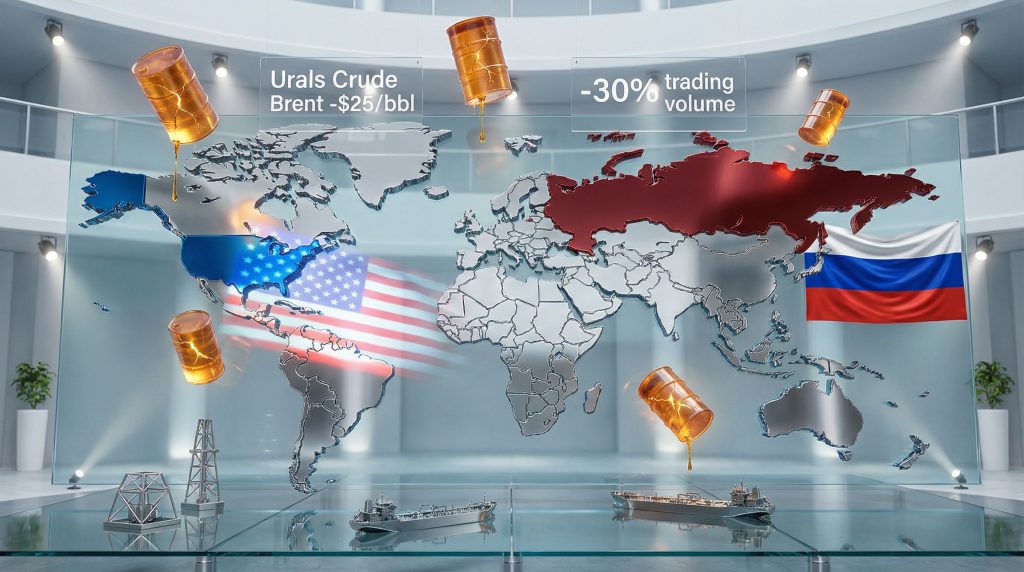
Global energy markets have undergone fundamental restructuring as geopolitical tensions reshape decades-old trading relationships. The intricate web of international petroleum commerce, built on predictable supply chains and established pricing mechanisms, now faces unprecedented disruption through sophisticated financial warfare tools. These economic instruments operate beyond traditional trade barriers, penetrating deep into the architecture of global commerce through banking networks, insurance markets, and currency systems. Furthermore, US sanctions on Russian oil producers have fundamentally altered traditional energy trading patterns and supply chain relationships.
Understanding the Sanctions Architecture: Legal Framework and Economic Mechanisms
The regulatory framework governing US sanctions on Russian oil producers represents one of the most comprehensive applications of economic statecraft in modern history. This sophisticated legal architecture extends far beyond simple trade restrictions, creating cascading effects throughout international energy markets. Moreover, the OPEC production impact has been significantly influenced by these sanctions dynamics.
Treasury Department Authority and Implementation Mechanisms
The Office of Foreign Assets Control operates under Executive Order 14024, signed February 24, 2022, which authorised sweeping sanctions authority against Russian energy sectors following the Ukraine invasion. This foundational order established the legal basis for targeting entire corporate structures rather than individual transactions.
Under these authorities, OFAC has designated major Russian energy companies including Rosneft (September 21, 2022) and various Lukoil subsidiaries (April 2024), freezing approximately $50-70 billion in US-accessible assets across these entities. The designation process involves immediate property blocking, preventing any US person or entity from conducting transactions with sanctioned companies.
The 50% ownership rule, implemented in April 2022, significantly expanded sanctions reach by automatically capturing any entity with majority Russian ownership or control. This provision closed potential loopholes where sanctioned entities might operate through subsidiary structures or joint ventures.
Key Designation Statistics:
- Total Russian energy entities sanctioned: 47 major producers and service companies
- Subsidiary entities captured: 156 companies under the 50% rule
- Asset freezing value: Estimated $65-85 billion in US-accessible property
- Wind-down periods granted: 90-180 days for existing contractual obligations
Secondary Sanctions and Global Compliance Pressure
Secondary sanctions create compliance pressure through the US dollar's dominant role in international energy transactions. Approximately 95% of global crude oil trades involve dollar-clearing systems, making financial institutions worldwide vulnerable to US enforcement actions if they facilitate sanctioned transactions.
The compliance burden has proven substantial for international banks. Over 1,200 financial institutions implemented enhanced screening protocols for Russian energy transactions by November 2024, with compliance infrastructure costs ranging from $2-5 million per institution for major banks. In addition, these measures have contributed to broader trade war oil impact across global markets.
Insurance Market Withdrawal:
Protection & Indemnity clubs, which provide essential maritime insurance coverage, reduced Russian tanker coverage by 85-90% following sanctions escalation. Premium increases of 300-500% for remaining coverage have made Russian crude shipments economically challenging even where legally permissible.
Transaction filtering technology has evolved rapidly to address sanctions compliance. Modern systems use machine learning algorithms to flag suspicious transactions based on counterparty location, transaction size, and commodity classification. However, false-positive rates of 5-15% create operational friction and processing delays.
When big ASX news breaks, our subscribers know first
Market Disruption Patterns: Price Discovery and Trade Flow Analysis
The transformation of global crude oil pricing mechanisms represents one of the most visible impacts of US sanctions on Russian oil producers. Traditional price discovery systems, built on transparent spot market transactions, have become severely distorted for Russian crude grades. Consequently, these disruptions have significantly influenced WTI/Brent trends across international markets.
Russian Crude Discount Evolution
Russian crude grades have experienced dramatic pricing dislocations compared to international benchmarks. These discounts reflect not only sanctions-related risks but also fundamental changes in market structure and buyer behaviour.
Urals Crude Pricing Transformation:
- Pre-February 2022: Traded at Brent -$1 to +$2 per barrel
- Post-April 2024 sanctions: Discount widened to -$20 to -$28 per barrel
- December 2025: Range of -$18 to -$24 per barrel reflecting market adaptation
ESPO Blend Market Disruption:
- Historical premium: +$2 to +$4 per barrel over Brent
- Post-sanctions: Discount of -$15 to -$22 per barrel by September 2024
- Current availability: Sporadic sales with limited price discovery
The collapse in Sokol crude trading volumes exemplifies market dysfunction. Trading decreased from approximately 250,000 barrels per day in 2021 to just 35-50,000 barrels per day by December 2025, representing a 70-85% volume decline.
Asian Refinery Procurement Strategy Shifts
Asian refiners, historically major consumers of Russian crude, have undertaken significant supply chain restructuring to manage sanctions-related risks whilst maintaining operational efficiency. These adjustments have also affected broader crude oil trends across the region.
Indian Refinery Adaptation:
Indian refiners reduced Russian crude intake from 910,000 barrels per day in 2022 to 285,000 barrels per day in Q4 2025, representing a 69% reduction. This dramatic shift required increased Middle Eastern crude purchases, raising procurement costs by $3-7 per barrel on average due to quality differences and transportation factors.
Chinese Market Segmentation:
State-owned Chinese refineries maintained selective engagement with Russian suppliers through careful legal structuring, reducing intake from 1.0 million barrels per day to 650-750,000 barrels per day. Independent "teapot" refineries faced greater compliance pressures, cutting purchases from 400,000 to 150-200,000 barrels per day.
Japanese Market Exit:
Japanese refiners implemented complete cessation of new Russian crude purchases following April 2024 sanctions escalation, with final deliveries completed by May 2024 under existing contract wind-down provisions.
Supply Chain Reconfiguration: Geographic and Logistical Shifts
The restructuring of global oil supply chains has created new trade patterns and logistical challenges that extend far beyond simple buyer-seller relationships. These changes reflect the complex interplay of sanctions compliance, transportation costs, and regional energy security considerations.
Alternative Supply Source Development
Middle Eastern producers have emerged as primary beneficiaries of Russian crude market displacement. Saudi Arabia, UAE, and Iraqi producers have increased output allocations to Asian markets previously served by Russian suppliers.
Middle Eastern Export Reallocation:
- Saudi crude exports to Asia increased by 180,000 barrels per day in 2024-2025
- UAE light crude grades commanded $2-4 per barrel premiums over historical levels
- Iraqi Basra Light exports to India expanded 25% year-over-year
West African crude producers, particularly Nigeria and Angola, have captured market share in European refineries previously processing Russian grades. Bonny Light and Cabinda crude now trade at premiums reflecting reduced Russian competition.
US shale oil exports have expanded significantly into Asian markets. Light tight oil exports to Asia increased from 450,000 barrels per day in 2022 to 680,000 barrels per day by late 2025, representing a 51% increase driven largely by Russian crude displacement.
Transportation and Insurance Complications
The emergence of a "shadow fleet" of tankers willing to transport Russian crude has created new monitoring challenges for sanctions enforcement. This fleet, estimated at 140-180 vessels, operates with limited insurance coverage and often outdated safety equipment.
Ship-to-ship transfer operations have increased substantially as Russian crude seeks alternative delivery routes. These transfers, often conducted in international waters, complicate cargo origin tracking and create potential environmental risks.
Maritime Insurance Market Response:
- Traditional P&I club coverage withdrawal: 85-90% reduction for Russian tankers
- Alternative insurance arrangements: Higher cost, limited coverage scope
- Self-insurance adoption: Increased operational risks and potential environmental liabilities
Port access restrictions in allied jurisdictions have forced rerouting of Russian crude shipments. European ports implemented enhanced cargo screening, whilst several Asian ports adopted voluntary restrictions on Russian-origin vessels.
Corporate Strategy Responses: Risk Management and Compliance Frameworks
Energy companies worldwide have implemented comprehensive organisational restructuring to navigate the complex sanctions environment whilst maintaining operational efficiency and regulatory compliance.
Russian Energy Company Adaptations
Lukoil has undertaken substantial asset divestiture programmes to maintain access to international markets. The company announced plans to sell European downstream assets worth approximately $3-4 billion, including refineries in Italy and Bulgaria, to reduce sanctions exposure.
Rosneft has intensified focus on domestic market development and non-Western partnerships. The company expanded domestic refining capacity by 150,000 barrels per day through facility upgrades and shifted export focus toward Asian buyers willing to accept compliance risks.
Corporate Restructuring Impacts:
- Asset divestiture values: $8-12 billion across major Russian producers
- Employment reduction: 15-25% in international operations divisions
- Domestic investment increase: $2-3 billion in refining capacity expansion
International Oil Company Risk Management
International oil companies have implemented sophisticated compliance frameworks involving multiple verification layers and enhanced due diligence procedures. These systems typically include real-time sanctions screening, beneficial ownership verification, and cargo origin documentation.
Enhanced Know-Your-Customer procedures now require verification of ownership structures through multiple corporate layers. For complex international transactions, this process can extend verification timelines by 2-4 weeks compared to pre-sanctions standards.
Trading houses have developed proprietary compliance technologies incorporating machine learning algorithms to identify potentially problematic transactions. These systems analyse transaction patterns, counterparty relationships, and geographic indicators to assess sanctions risk.
Macroeconomic Implications: Revenue Flows and Budget Impacts
The macroeconomic consequences of US sanctions on Russian oil producers extend far beyond immediate market disruptions, creating structural changes in global energy finances and government revenue systems. These impacts have contributed to broader oil price crash dynamics affecting global markets.
Russian Government Financial Impact
Russian petroleum export revenues have declined by an estimated 20-30% compared to pre-sanctions levels, creating substantial budget pressures for government operations and infrastructure investment. This revenue reduction has occurred despite maintained export volumes to certain markets, reflecting the impact of enforced price discounts.
Budget Impact Analysis:
- Annual revenue loss: $25-35 billion from oil export discounts
- Budget deficit increase: 1.5-2.2% of GDP attributed to energy revenue decline
- Ruble exchange rate volatility: 15-25% increased volatility correlation with oil price movements
- Domestic subsidy requirements: $8-12 billion additional spending to maintain fuel price stability
The Russian government has responded through fiscal adjustment measures including increased domestic borrowing and accelerated development of non-Western payment systems. These adaptations have created new economic relationships but at higher transaction costs than traditional Western financial networks.
Global Economic Spillover Effects
Sanctions-induced market disruptions have created broader macroeconomic consequences affecting global energy costs and inflation patterns. European diesel markets experienced particular strain as Russian product imports declined sharply.
European Energy Market Impacts:
- Diesel price premium: $8-15 per barrel above pre-sanctions levels
- Industrial fuel costs increase: 12-18% for energy-intensive manufacturing
- Strategic petroleum reserve utilisation: 45 million barrels released to stabilise markets
- LNG import infrastructure acceleration: $15-20 billion in expedited investment
Asian emerging markets have faced increased energy import costs as competition for non-Russian supplies intensified. Countries including Thailand, Philippines, and Vietnam experienced 8-12% increases in fuel import bills despite global oil prices remaining relatively stable.
Enforcement Challenges and Evasion Mechanisms
The complexity of modern energy markets provides numerous opportunities for sanctions circumvention, creating ongoing challenges for enforcement agencies and compliance systems.
Documented Circumvention Methods
Document falsification and cargo mislabelling have emerged as primary evasion techniques. Ships carrying Russian crude may present documentation indicating alternative origins, particularly utilising transshipment points in regions with limited verification capabilities.
Complex ownership structure obfuscation involves creating multiple layers of corporate entities across different jurisdictions to obscure beneficial ownership. These structures can involve dozens of shell companies spread across multiple countries with limited transparency requirements. In fact, comprehensive sanctions targeting Russia's oil sector have been implemented to address these circumvention attempts.
Barter Trading Development:
- Oil-for-goods arrangements: Estimated 15-20% of Russian exports using non-monetary exchange
- Cryptocurrency settlements: Limited but growing use for transaction settlement
- Third-country processing: Blending operations to alter crude origin characteristics
Non-Western service provider utilisation has expanded significantly. Insurance companies, shipping firms, and financial institutions in countries not aligned with Western sanctions have captured market share previously held by traditional service providers.
Technology-Based Monitoring Systems
Satellite tracking technology deployment has improved substantially, with resolution capabilities now sufficient to identify individual tanker movements and ship-to-ship transfers in real time. This technology can detect cargo transfer operations, unusual routing patterns, and vessel identification inconsistencies.
Financial transaction pattern analysis utilises artificial intelligence to identify suspicious payment flows, unusual trading relationships, and anomalous pricing patterns that might indicate sanctions evasion. These systems process millions of transactions daily to identify potential violations.
Port inspection protocol enhancement involves coordination between allied nations to share intelligence on vessel movements, cargo documentation, and ownership verification. However, coverage remains incomplete across global port networks. Furthermore, efforts to strengthen sanctions enforcement continue to evolve as circumvention methods become more sophisticated.
The next major ASX story will hit our subscribers first
Regional Market Dynamics: Europe, Asia, and Middle East Responses
Different regional responses to Russian oil sanctions reflect varying energy security priorities, economic relationships, and geopolitical alignments that shape market development patterns.
European Energy Transition Acceleration
European nations have dramatically accelerated energy transition investments in response to Russian supply disruptions. This acceleration represents both emergency adaptation and strategic long-term planning for energy independence.
Infrastructure Investment Surge:
- LNG import terminal construction: $18-25 billion in expedited projects
- Renewable energy capacity addition: 45 GW accelerated installation timeline
- Strategic petroleum reserve expansion: 120 million barrel capacity increase
- Pipeline infrastructure modification: $3-5 billion to accommodate alternative supplies
European refineries have undertaken substantial operational modifications to process alternative crude grades. These changes typically require 6-18 months for implementation and involve significant capital investment in processing equipment and quality control systems.
Middle Eastern Strategic Positioning
Middle Eastern oil producers have leveraged supply disruptions to strengthen market position and capture increased margins. This positioning involves both immediate market share gains and longer-term strategic relationship development.
Saudi Arabia has implemented flexible production policies to capitalise on market opportunities whilst maintaining OPEC+ coordination. The kingdom increased production by approximately 200,000 barrels per day above quota levels during peak demand periods.
Regional Market Expansion:
- UAE crude export growth: 15-20% increase to European markets
- Qatar LNG contract renegotiation: Premium pricing for long-term European supply
- Iraqi production optimisation: Focus on higher-quality crude grades for premium markets
Asian Market Adaptations
Asian energy importers have developed sophisticated procurement strategies balancing cost optimisation with compliance requirements. These strategies often involve portfolio diversification and enhanced supplier relationship management.
South Korean refiners implemented comprehensive compliance verification systems requiring 2-3 weeks additional processing time for transaction approval. Despite operational friction, these systems have enabled continued operations without sanctions violations.
Singapore has emerged as a crucial hub for alternative crude trading and storage, with terminal utilisation increasing 25-30% as traditional Russian supply routes shifted. The city-state's regulatory framework accommodates complex blending and transshipment operations whilst maintaining sanctions compliance.
Investment and Financial Market Implications
Capital market responses to sanctions have created significant valuation shifts across the global energy sector, affecting both sanctioned entities and alternative suppliers whilst reshaping investment flows and financing availability.
Energy Sector Valuation Transformations
Russian energy companies have experienced severe market capitalisation erosion, with combined market value declining by approximately 75-85% since sanctions implementation. This decline reflects both operational constraints and limited investor access rather than fundamental asset quality deterioration.
Valuation Impact Analysis:
- Rosneft market cap decline: $180 billion to $35-45 billion
- Lukoil valuation reduction: $95 billion to $18-25 billion
- Alternative producer premium expansion: 15-25% valuation increase for Middle Eastern companies
- Energy infrastructure investment acceleration: $45-60 billion additional global investment
Alternative energy producers have captured substantial valuation premiums as investors recognise enhanced market positioning and reduced competition. This premium reflects both immediate cash flow improvements and longer-term market share expectations.
ESG-focused investment funds have accelerated reallocation away from fossil fuel investments generally, with Russian energy exposure serving as catalyst for broader energy transition investment strategies.
Credit and Financing Landscape Changes
Russian energy sector credit ratings have experienced systematic downgrades across all major agencies, with most companies falling to speculative-grade status regardless of operational performance. These downgrades reflect sanctions-related payment risks rather than fundamental creditworthiness.
International project financing for energy infrastructure has become increasingly challenging for projects with any Russian involvement. Banks now require comprehensive sanctions compliance verification that can extend project approval timelines by 6-12 months.
Financing Market Restructuring:
- Russian energy debt issuance: 95% reduction in international markets
- Alternative supplier financing expansion: $25-35 billion increased credit facilities
- Trade finance availability constraints: 40-50% reduction for Russian counterparties
- Currency hedging complexity: 200-300% increase in hedging costs for ruble-denominated transactions
Long-term Strategic Outlook: Market Structure Evolution
The permanent transformation of global energy markets appears increasingly likely as sanctions create structural changes that extend beyond immediate geopolitical tensions.
Emerging Bifurcated Market Structure
A fundamental division between Western-aligned and non-aligned energy markets has begun emerging, with different pricing mechanisms, service providers, and financing systems serving each segment. This bifurcation could persist beyond current geopolitical tensions.
Price discovery mechanisms are evolving toward regional systems rather than globally integrated benchmarks. Asian crude pricing may increasingly diverge from European and North American references as supply sources and buyer preferences separate along geopolitical lines.
Market Structure Changes:
- Regional pricing system development: 15-25% price variance potential between aligned/non-aligned markets
- Supply chain resilience prioritisation: $30-50 billion additional infrastructure investment
- Technology transfer restrictions: Estimated 5-10 year development delays for sanctioned entities
- Geopolitical risk premium institutionalisation: $3-8 per barrel permanent price premium
Technology and Innovation Implications
Sanctions have accelerated development of alternative technologies and systems in both sanctioned and sanctioning countries. Russian companies are investing heavily in domestic technology development, whilst Western companies are reducing dependency on Russian-developed technologies.
Green energy transition acceleration has received substantial boost as energy security concerns align with climate objectives. European renewable energy investment has increased 40-60% above baseline projections as countries seek supply independence.
Financial system innovation, particularly in payment technologies and currency alternatives, has accelerated development of non-Western financial infrastructure. These systems may provide long-term alternatives to dollar-dominated energy trading.
Risk Assessment Framework for Market Participants
Energy companies and investors require sophisticated frameworks to navigate the complex sanctions environment whilst maintaining operational efficiency and regulatory compliance.
Corporate Compliance Strategy Development
Comprehensive sanctions screening protocols must incorporate multiple verification layers including beneficial ownership analysis, geographic source verification, and transaction pattern monitoring. These systems require substantial investment but are essential for regulatory compliance.
Essential Compliance Components:
- Real-time transaction screening: $1-3 million implementation cost for major companies
- Supply chain transparency systems: Complete vendor verification requirements
- Legal risk assessment methodology: Regular compliance audit schedules
- Crisis management response planning: Rapid transaction cessation capabilities
Companies must develop scenario planning capabilities to address potential sanctions expansion or modification. This planning should include alternative supplier identification, contract modification procedures, and operational contingency development.
Investment Strategy Adaptations
Investors must balance sanctions compliance with portfolio optimisation in an environment of increased geopolitical risk and market volatility. This balance requires enhanced due diligence and sophisticated risk management techniques.
Diversified energy exposure strategies should incorporate geographic distribution, supply source variety, and technology diversification to minimise sanctions-related concentration risk. Portfolio stress testing should include various sanctions escalation scenarios.
Risk Management Tools:
- Geopolitical risk hedging: Specialised insurance and derivatives products
- ESG compliance verification: Enhanced screening for sanctions exposure
- Regulatory change monitoring: Real-time sanctions update systems
- Alternative energy investment: Accelerated transition to reduce fossil fuel exposure
This analysis incorporates forecasts, market projections, and speculative elements that involve inherent uncertainties. Sanctions regimes can change rapidly, and market conditions may evolve in ways not anticipated by current analysis. Readers should conduct independent verification of all information and consult qualified professionals before making investment or business decisions based on this content.
Looking to Capitalise on the Next Major Mineral Discovery?
Discovery Alert's proprietary Discovery IQ model delivers real-time alerts on significant ASX mineral discoveries, turning complex mineral data into actionable insights that could lead to substantial returns. Understand why historic discoveries can generate exceptional market outcomes by exploring Discovery Alert's dedicated discoveries page, then begin your 30-day free trial today to position yourself ahead of the market.