May 20, 2026
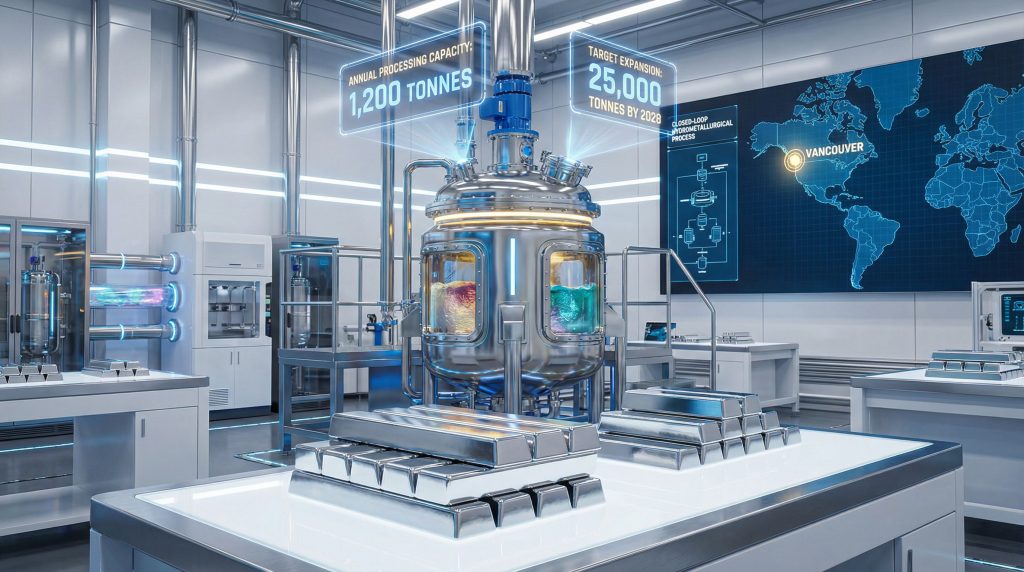
The Vancouver PGM facility expansion represents one of the most significant developments in Western Canada's critical minerals processing capabilities, with pH7 Technologies securing up to $4 million in funding from the National Research Council of Canada Industrial Research Assistance Program. This investment focuses on advancing proprietary metallurgical technologies specifically designed for recovering platinum, palladium, and rhodium from secondary material streams, addressing growing market demand while strengthening North American supply chain resilience.
Understanding PGM Recovery Infrastructure in Western Canada
The metallurgical complexity of platinum, palladium, and rhodium recovery from secondary materials presents unique technical challenges that conventional processing methods struggle to address efficiently. Traditional hydrometallurgical approaches typically generate substantial wastewater streams while consuming significant energy inputs, creating both environmental compliance issues and operational cost pressures.
Core Technical Challenges in Domestic Processing:
• Complex material composition variations requiring adaptive processing parameters
• Contamination management across diverse feedstock sources
• Energy-intensive separation processes increasing operational costs
• Wastewater treatment and disposal regulatory requirements
• Limited processing capacity within North American supply chains
Organo-electrochemical systems offer a fundamentally different approach to these metallurgical challenges by implementing closed-loop processing designs that eliminate liquid discharge requirements. These systems operate through electrochemical separation mechanisms that can achieve high recovery rates while reducing energy consumption compared to traditional pyrometallurgical methods.
Furthermore, the Vancouver PGM facility expansion represents a significant milestone in regional critical minerals strategy implementation, supported by federal funding mechanisms targeting technological innovation. This investment focuses on advancing proprietary metallurgical technologies specifically designed for recovering platinum, palladium, and rhodium from secondary material streams.
pH7 Technologies' approach addresses traditional processing limitations through what CEO Mohammad Doostmohammadi describes as technology that allows recovery and processing of metals locally while eliminating wastewater and dramatically reducing the carbon footprint of production. The company's organo-electrochemical processes target complex material streams that conventional facilities often struggle to process economically.
Technological Advantages of Advanced Processing Systems:
• Zero liquid discharge design eliminating wastewater management costs
• Reduced infrastructure requirements compared to traditional smelting operations
• Modular processing capabilities enabling distributed facility networks
• Enhanced recovery rates from complex secondary materials
• Lower energy consumption through optimised electrochemical processes
When big ASX news breaks, our subscribers know first
Critical Minerals Strategy Implementation Framework
Canada's approach to critical minerals processing development integrates federal funding mechanisms with strategic supply chain security objectives, creating policy frameworks that support technological innovation while addressing geopolitical vulnerabilities in materials access. In addition, the integration of mining innovation trends with government strategic priorities creates opportunities for sustainable technology deployment.
The National Research Council of Canada Industrial Research Assistance Program provides targeted support for research and development activities that enhance domestic processing capabilities. This funding mechanism specifically addresses engineering challenges, process optimisation requirements, and facility development needs that conventional commercial financing often cannot support during technology development phases.
| Funding Component | Strategic Objective | Implementation Focus |
|---|---|---|
| NRC IRAP Program | Technology commercialisation | Process optimisation and facility expansion |
| Critical Minerals Strategy | Supply chain security | Domestic processing capacity development |
| Provincial Innovation Support | Economic diversification | Advanced manufacturing job creation |
Industry Minister Mélanie Joly's emphasis on helping Canada capitalise on rising global demand for critical minerals while adding value and jobs domestically reflects the policy alignment between technological development and economic strategy. This integration addresses both immediate supply chain vulnerabilities and longer-term competitive positioning in critical materials markets.
Government Strategic Priorities:
• Reducing dependence on geographically concentrated supply sources
• Developing domestic value-added processing capabilities
• Creating advanced manufacturing employment opportunities
• Strengthening North American supply chain resilience
• Supporting clean technology innovation and deployment
The research and development project supporting pH7's Vancouver facility expansion specifically targets engineering, process optimisation, and plant development activities designed to enhance recovery of high-value metals from complex materials. For instance, this aligns with broader energy transition in mining objectives while improving resource efficiency and environmental performance.
Current PGM supply chains demonstrate significant geographic concentration risks, with production heavily reliant on energy-intensive methods that create both cost pressures and environmental compliance challenges. Domestic processing capacity development addresses these vulnerabilities while creating opportunities for technological leadership in sustainable metallurgy.
Policy Integration Framework:
The initiative aligns with Canada's Critical Minerals Strategy priorities for developing domestic processing capacity to strengthen secure and sustainable supply chains, while supporting broader clean technology commercialisation objectives.
Industrial Applications and Market Demand Drivers
Platinum group metals serve essential functions across multiple industrial sectors experiencing rapid growth driven by electrification trends and clean energy infrastructure development. Understanding these application-specific requirements provides critical context for evaluating processing capacity needs and market dynamics.
Hydrogen Production Infrastructure Applications:
Hydrogen production technologies rely heavily on platinum-based catalysts for electrolysis processes, with growing demand driven by industrial decarbonisation initiatives and transportation fuel applications. However, green hydrogen projects require consistent catalyst supply chains that can meet quality specifications while managing cost pressures from scaling production volumes.
Advanced Electronics Manufacturing Requirements:
Semiconductor fabrication processes utilise platinum group metals in specialised applications requiring extremely high purity materials and consistent supply availability. The expansion of electronics manufacturing capabilities across North America creates additional demand pressures for domestically processed materials meeting strict quality standards.
Emissions Control System Production:
Automotive and industrial emissions control systems represent the largest volume application for platinum group metals, with regulatory requirements driving consistent demand growth. Catalytic converter production requires reliable supply chains capable of managing quality specifications across diverse automotive platforms and emission standards.
Energy and Natural Resources Minister Tim Hodgson's recognition of Canadian ingenuity delivering cleaner, more efficient ways to recover metals essential to batteries and other technologies reflects the strategic importance of these applications in broader economic development plans. Furthermore, the growing focus on decarbonisation benefits across industrial sectors creates additional market opportunities.
Market Demand Growth Factors:
-
Clean Energy Transition Requirements
- Fuel cell deployment for transportation applications
- Hydrogen economy infrastructure development
- Energy storage system component manufacturing
-
Industrial Electrification Trends
- Advanced manufacturing process optimisation
- High-performance electronics production scaling
- Specialised catalyst requirements for chemical processing
-
Regulatory Compliance Drivers
- Emissions control system performance standards
- Environmental technology deployment incentives
- Clean technology mandates across industrial sectors
The sectors experiencing growing demand as industries expand electrification infrastructure and hydrogen technologies create opportunities for domestic processing facilities to serve expanding North American markets. For example, North American Palladium's expansion of its Sunday Lake PGM Zone demonstrates the growing investment in domestic PGM production capabilities while reducing supply chain risks associated with global sourcing.
Operational Capacity and Production Scaling Analysis
Processing facility scaling requires careful analysis of technical capabilities, material handling systems, and quality control processes to ensure consistent product delivery across diverse application requirements. The operational complexity of platinum group metals recovery creates specific challenges that influence facility design and expansion strategies.
Secondary material processing presents unique technical requirements compared to primary ore processing, with feedstock composition variations requiring adaptive processing protocols and quality control systems. Material streams from electronics recycling, automotive catalyst recovery, and industrial waste processing each present distinct contamination profiles and recovery challenges.
Processing Capacity Development Factors:
• Material Collection Network Requirements
- Geographic distribution of secondary material sources
- Transportation logistics for diverse feedstock streams
- Quality pre-screening and contamination assessment protocols
• Technology Scaling Considerations
- Modular processing system design enabling capacity expansion
- Process optimisation across varying material compositions
- Quality control systems maintaining consistent product specifications
• Infrastructure Integration Needs
- Utility requirements for electrochemical processing operations
- Environmental compliance systems for zero discharge operations
- Product finishing and packaging capabilities for diverse market applications
The Vancouver PGM facility expansion focuses on enhancing the company's ability to recover high-value metals from complex materials while implementing sustainable production practices. This operational optimisation addresses both technical processing challenges and market competitiveness requirements.
Comparative Analysis Framework:
| Processing Approach | Energy Requirements | Waste Generation | Recovery Efficiency |
|---|---|---|---|
| Traditional Smelting | High energy consumption | Significant liquid waste | Variable recovery rates |
| Conventional Hydrometallurgy | Moderate energy needs | Substantial wastewater | Consistent but limited rates |
| Organo-Electrochemical | Reduced energy requirements | Zero liquid discharge | Enhanced recovery efficiency |
Facility expansion strategies must consider integration potential with existing mining operations and secondary material collection networks across Canada. Ontario and Quebec mining infrastructure could provide complementary material sources, while regional processing hubs could optimise transportation costs and supply chain reliability.
Technology Differentiation and Competitive Advantages
Advanced processing technologies distinguish themselves through environmental performance improvements, operational cost reductions, and enhanced recovery capabilities that address traditional metallurgical industry limitations. These technological advantages create competitive positioning opportunities while supporting broader sustainability objectives.
Environmental performance represents a critical differentiator in modern metallurgical processing, with zero liquid discharge system design eliminating wastewater treatment costs while meeting increasingly stringent environmental compliance requirements. Traditional processing methods generate substantial liquid waste streams requiring expensive treatment and disposal infrastructure.
Process Innovation Advantages:
• Environmental Performance Superiority
- Elimination of liquid discharge requirements reducing compliance costs
- Carbon footprint reduction through optimised energy utilisation
- Circular economy integration through secondary material focus
• Operational Efficiency Improvements
- Reduced infrastructure requirements compared to traditional facilities
- Enhanced material recovery rates increasing product yield
- Modular design enabling flexible capacity management
• Quality Control Capabilities
- Consistent product specifications across diverse feedstock materials
- Advanced separation techniques improving purity levels
- Automated processing systems reducing operational variability
The proprietary organo-electrochemical processes address industry pain points related to complex material stream processing while delivering environmental benefits that traditional approaches cannot achieve. This technology platform creates competitive advantages in markets increasingly focused on sustainability metrics and supply chain responsibility.
Additionally, pH7 Technologies' recent milestone in PGM catalyst recycling demonstrates the commercial viability of their innovative processing approach, positioning the company as a leader in sustainable metals recovery.
Technology Platform Benefits:
The processing approach delivers environmental advantages through wastewater elimination and significantly reduced carbon footprint and energy consumption compared to conventional methods, while maintaining high recovery efficiency standards.
Economic Impact and Strategic Positioning
Critical minerals processing facility development creates multiple economic impact pathways extending beyond direct operational employment to encompass technology development, supply chain integration, and strategic positioning advantages for broader industrial sectors.
Advanced manufacturing job creation represents a significant economic development opportunity, with metallurgical processing facilities requiring specialised technical skills and supporting broader industrial ecosystem development. These positions typically offer higher wage levels compared to traditional manufacturing while creating career pathway opportunities in emerging technology sectors.
Economic Development Multiplier Effects:
-
Direct Employment Creation
- Specialised metallurgical engineering positions
- Process optimisation and quality control roles
- Advanced manufacturing and facility operations jobs
-
Supply Chain Integration Opportunities
- Regional material collection network development
- Transportation and logistics service expansion
- Supporting service provider business development
-
Technology Transfer Potential
- Process innovation licensing opportunities
- Equipment manufacturing and service capabilities
- Consulting and engineering service export potential
Strategic positioning advantages extend beyond regional economic impact to encompass North American supply chain resilience and competitive positioning in global critical minerals markets. Domestic processing capabilities reduce dependence on geographically concentrated supply sources while creating opportunities for value-added product development.
Continental Supply Chain Benefits:
• Reduced transportation costs for North American industrial consumers
• Enhanced supply chain reliability through geographic diversification
• Integration opportunities with defence and aerospace industry requirements
• Technology leadership positioning in sustainable metallurgy applications
• Economic diversification supporting resource-dependent regional economies
Investment attraction potential encompasses both direct facility expansion funding and broader technology sector development opportunities. Success in critical minerals processing can create demonstration effects attracting additional investment in complementary technologies and supporting infrastructure development.
The next major ASX story will hit our subscribers first
Future Expansion Scenarios and Industry Evolution
Long-term development pathways for platinum group metals processing technology encompass facility network expansion, technology licensing opportunities, and integration with emerging critical minerals recovery applications. Understanding these evolution scenarios provides context for evaluating strategic positioning and investment priorities.
Multi-facility network development across North America could optimise geographic distribution of processing capabilities while reducing transportation costs and supply chain risks. Regional specialisation based on feedstock availability and market proximity could create complementary facility networks serving continental markets efficiently.
Scaling Pathway Analysis:
• Geographic Expansion Opportunities
- Regional processing hubs serving major industrial centres
- Integration with existing mining and recycling infrastructure
- Cross-border facility networks optimising continental supply chains
• Technology Application Diversification
- Rare earth element recovery from secondary sources
- Battery material recycling integration capabilities
- Specialised processing for defence and aerospace applications
• Partnership Development Strategies
- Major industrial consumer supply agreements
- Technology licensing for international deployment
- Research collaboration with academic and government institutions
Industry evolution trends suggest increasing integration between traditional mining operations and advanced processing technologies, with secondary material utilisation becoming increasingly important for supply chain security and environmental performance objectives.
Innovation Ecosystem Development:
The Vancouver PGM facility expansion represents a foundational element in broader critical minerals processing innovation ecosystem development across Western Canada. Success in platinum group metals recovery could attract complementary technologies and create cluster effects supporting broader advanced manufacturing development.
Technology transfer potential extends beyond domestic applications to encompass international deployment opportunities, particularly in regions seeking to develop indigenous processing capabilities for strategic materials. Licensing arrangements could generate additional revenue streams while supporting global deployment of sustainable metallurgical technologies.
Investment decisions in emerging technologies and processing facilities involve inherent risks including technological, market, and regulatory uncertainties. This analysis is provided for informational purposes and should not be construed as investment advice. Readers should conduct independent research and consult qualified professionals before making investment decisions.
Ready to Invest in the Next Major Mineral Discovery?
Discovery Alert instantly alerts investors to significant ASX mineral discoveries using its proprietary Discovery IQ model, turning complex mineral data into actionable insights. Understand why historic discoveries can generate substantial returns by visiting Discovery Alert's dedicated discoveries page, showcasing historic examples of exceptional outcomes, and begin your 14-day free trial today to position yourself ahead of the market.