
June 6, 2026
Understanding Western Australia's Mining Technology Innovation Landscape
The global mining sector faces unprecedented transformation pressures as commodity markets evolve, environmental regulations tighten, and technological capabilities advance at exponential rates. Within this context, Western Australia's mining industry stands at a critical inflection point where traditional operational models must integrate with emerging digital frameworks to maintain competitive positioning. Technology adoption patterns across the sector reveal significant variations in implementation strategies, with companies pursuing diverse approaches to automation, data analytics, and operational optimisation.
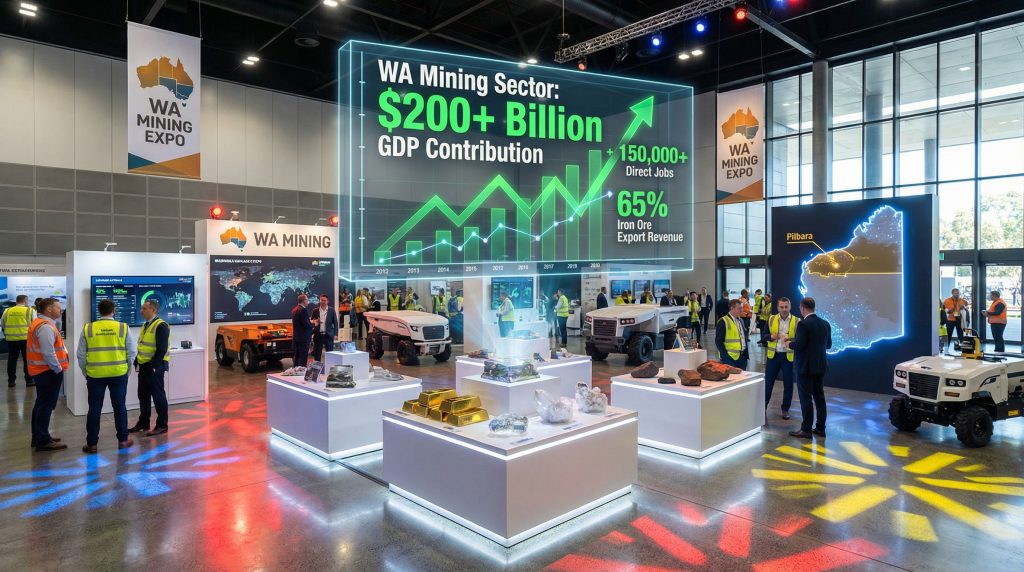
Industry convergence events serve as catalysts for accelerating these transformation processes, providing platforms where mining executives, technology providers, and regulatory stakeholders can align strategic priorities. The dynamics of knowledge transfer within these environments create unique opportunities for competitive advantage development, particularly when considering the complex interplay between operational requirements and emerging technological capabilities. The WA Mining Conference & Exhibition exemplifies such convergence opportunities within the region's mining ecosystem.
When big ASX news breaks, our subscribers know first
Strategic Technology Integration Patterns in Mining Operations
Digital transformation initiatives across Western Australia's mining sector demonstrate sophisticated implementation methodologies that extend beyond simple equipment upgrades. Mining operators are developing integrated systems approaches that combine autonomous vehicle deployment with advanced data analytics platforms, creating operational ecosystems capable of real-time optimisation across multiple parameters. Furthermore, these mining innovation trends are reshaping how companies approach operational excellence.
The progression toward fully integrated mining operations involves several critical technology categories, each requiring specialised expertise and substantial capital commitments. Autonomous haulage systems represent one of the most visible transformation elements, with major Pilbara operators reporting significant productivity improvements following implementation. These systems integrate GPS positioning, collision avoidance algorithms, and fleet management software to optimise material movement across vast mining sites.
Autonomous Vehicle Implementation Strategies
Current autonomous vehicle deployment across Western Australia's mining operations demonstrates varying sophistication levels, from basic semi-autonomous functions to fully integrated fleet management systems. Rio Tinto's Pilbara operations showcase advanced autonomous truck fleets operating across multiple mine sites, coordinated through centralised control systems that optimise routing, fuel consumption, and maintenance scheduling.
The progression toward higher autonomy levels requires substantial infrastructure investments, including:
• Communication network upgrades enabling real-time data transmission across remote mining sites
• Precision mapping systems providing centimetre-level accuracy for vehicle navigation
• Predictive maintenance platforms utilising sensor data to optimise equipment availability
• Integration protocols connecting autonomous vehicles with existing mining software systems
Remote operations centres represent another critical technology evolution, allowing mining companies to centralise operational oversight across multiple sites. These facilities integrate video monitoring, equipment telemetry, and operational data streams to provide comprehensive oversight capabilities from urban centres, reducing the need for on-site personnel in remote locations.
Data Analytics and Operational Optimisation
Advanced analytics implementations in mining operations focus on extracting actionable insights from massive data streams generated by modern mining equipment. Ore grade optimisation technologies utilise machine learning algorithms to analyse geological data, equipment performance metrics, and processing plant efficiency indicators to maximise resource extraction value. Moreover, AI in mining operations is revolutionising traditional approaches to resource extraction and processing.
Mining companies are developing sophisticated Internet of Things (IoT) sensor networks that monitor equipment performance, environmental conditions, and operational parameters across entire mining complexes. These systems generate continuous data streams enabling predictive maintenance strategies, energy optimisation, and safety protocol enhancement.
Key implementation areas include:
- Equipment health monitoring through vibration analysis, thermal imaging, and fluid sampling
- Environmental compliance tracking using air quality sensors, water monitoring systems, and noise measurement devices
- Production optimisation algorithms integrating crushing, grinding, and separation process variables
- Energy management systems coordinating renewable energy integration with operational demands
Conference-Driven Knowledge Transfer Mechanisms
Industry conferences facilitate knowledge transfer through multiple channels that extend beyond traditional presentation formats. The WA Mining Conference & Exhibition creates structured environments where mining professionals can engage with technology demonstrations, participate in technical workshops, and establish strategic partnerships that drive innovation adoption. In addition, the WA Mining Conference 2025 provides an essential platform for industry collaboration and advancement.
Technology vendors utilise these events to showcase advanced capabilities through live demonstrations and interactive exhibits. Mining equipment manufacturers present operational case studies demonstrating measurable performance improvements, while software providers offer hands-on training sessions for digital platform implementations.
Strategic Partnership Development
Conference environments enable mining companies to evaluate potential technology partners through direct engagement opportunities. Equipment suppliers present detailed capability assessments, while service providers demonstrate their expertise through technical presentations and operational case studies. The WA Mining Expo serves as a premier venue for such interactions, bringing together industry leaders and innovative technology providers.
Partnership evaluation processes typically involve:
• Technology compatibility assessments ensuring new systems integrate with existing infrastructure
• Implementation timeline discussions coordinating deployment schedules with operational requirements
• Cost-benefit analysis presentations quantifying expected returns on technology investments
• Reference site visits providing firsthand exposure to operational implementations
Mining companies utilise conference participation to accelerate due diligence processes for major technology investments. Direct interaction with vendor technical teams enables detailed technical discussions that inform procurement decisions and implementation strategies.
Economic Impact Analysis of Mining Technology Adoption
Technology investment patterns within Western Australia's mining sector reveal strategic approaches to capital allocation that balance immediate operational improvements with long-term competitive positioning. Mining companies evaluate technology investments through comprehensive frameworks that consider productivity gains, cost reduction opportunities, and risk mitigation benefits. Consequently, data-driven mining operations are becoming increasingly central to strategic planning.
Operational efficiency improvements from technology adoption typically manifest through multiple mechanisms simultaneously. Autonomous vehicle implementations reduce labour costs while improving safety metrics and equipment utilisation rates. Advanced analytics platforms optimise processing plant operations, increasing recovery rates and reducing energy consumption.
| Technology Category | Typical Investment Range | Implementation Timeline | Primary Benefits |
|---|---|---|---|
| Autonomous Haulage | $50M – $200M per site | 18-36 months | 15-25% productivity improvement |
| Remote Operations | $10M – $50M per site | 12-24 months | 20-30% personnel reduction |
| Predictive Analytics | $5M – $25M per site | 6-18 months | 10-15% maintenance cost reduction |
| IoT Sensor Networks | $2M – $15M per site | 3-12 months | 5-10% energy optimisation |
Return on Investment Calculations
Mining companies evaluate technology investments through sophisticated financial modelling that incorporates multiple benefit categories. Direct cost savings from reduced labour requirements, improved equipment utilisation, and optimised energy consumption provide quantifiable returns that support investment justification.
Indirect benefits include improved safety metrics, enhanced environmental compliance capabilities, and increased operational flexibility. These factors contribute to long-term value creation through reduced regulatory risks, lower insurance costs, and improved stakeholder relationships.
Investment evaluation frameworks consider:
- Operational cost reduction potential across labour, energy, and maintenance categories
- Revenue enhancement opportunities through improved recovery rates and processing efficiency
- Risk mitigation benefits reducing safety incidents, environmental violations, and operational disruptions
- Competitive positioning advantages enabling sustained market share protection
Regulatory Framework Evolution and Technology Integration
Regulatory environments within Western Australia continue evolving to accommodate emerging mining technologies while maintaining safety and environmental protection standards. Mining companies must navigate complex approval processes for autonomous vehicle deployments, ensuring compliance with workplace safety regulations and equipment certification requirements.
Environmental monitoring technologies receive increasing regulatory attention as mining companies face stricter reporting requirements for emissions, water usage, and waste management. Advanced sensor networks enable continuous monitoring capabilities that exceed traditional compliance frameworks, providing opportunities for enhanced environmental stewardship demonstration.
Safety Regulation Adaptation
Autonomous vehicle implementations require comprehensive safety protocol development that addresses both equipment operation and human interaction scenarios. Mining companies work with regulatory bodies to establish operational parameters ensuring autonomous systems maintain safety standards equivalent to or exceeding traditional mining operations.
Key regulatory considerations include:
• Equipment certification processes validating autonomous system safety capabilities
• Operator training requirements ensuring personnel can safely interact with autonomous equipment
• Emergency response protocols addressing autonomous system failures or unexpected situations
• Data security standards protecting operational information and system integrity
Regulatory frameworks increasingly recognise the safety benefits of autonomous technologies, particularly in high-risk operational environments. Remote operations capabilities reduce human exposure to hazardous conditions while maintaining operational oversight through advanced monitoring systems.
Future Technology Trajectory Analysis
Emerging technology trends within the mining sector suggest continued evolution toward integrated operational platforms combining multiple automation capabilities. Artificial intelligence integration shows particular promise for optimising complex mining processes that involve numerous variables and real-time decision-making requirements.
Machine learning applications in geological modelling demonstrate significant potential for improving resource estimation accuracy and extraction optimisation. These technologies analyse historical drilling data, geological surveys, and production records to identify patterns that enhance ore body understanding and extraction planning.
Next-Generation Mining Technologies
Advanced technologies under development include robotic drilling systems capable of autonomous operation in challenging geological conditions. These systems integrate advanced sensors, machine learning algorithms, and precision positioning technology to optimise drilling parameters in real-time.
Digital twin technology creates virtual representations of mining operations that enable scenario testing, optimisation modelling, and predictive analysis. Mining companies utilise these platforms to evaluate operational modifications, test equipment configurations, and optimise production schedules without disrupting actual operations.
Emerging technology categories include:
- Automated mineral processing systems integrating advanced sorting and separation technologies
- Predictive geological modelling utilising machine learning for ore body characterisation
- Integrated supply chain optimisation coordinating mining, processing, and transportation operations
- Advanced environmental monitoring employing satellite imagery and drone-based sensor networks
The next major ASX story will hit our subscribers first
Investment Strategy Optimisation for Mining Technology
Strategic technology investment approaches within the mining sector require comprehensive evaluation frameworks that balance immediate operational improvements with long-term competitive positioning. Mining companies develop phased implementation strategies that minimise operational disruption while maximising technology adoption benefits. However, developing effective investment strategy components requires careful consideration of multiple factors.
Risk management considerations influence technology investment decisions through systematic evaluation of implementation challenges, integration requirements, and operational dependencies. Companies assess vendor stability, technology maturity, and support infrastructure availability when making major technology commitments.
Portfolio Approach to Technology Investment
Mining companies increasingly adopt portfolio approaches to technology investment that diversify risk across multiple technology categories while pursuing synergistic benefits from integrated implementations. This strategy enables companies to optimise technology adoption timing while maintaining operational continuity.
Successful technology investment strategies typically involve:
• Pilot project implementations validating technology performance before large-scale deployment
• Vendor partnership development ensuring long-term support and capability enhancement
• Internal capability building developing expertise to support technology integration and optimisation
• Performance monitoring frameworks tracking technology benefits and identifying optimisation opportunities
Technology roadmap development enables mining companies to coordinate technology investments with operational planning and capital allocation strategies. These frameworks consider equipment replacement cycles, operational expansion plans, and regulatory requirement evolution when prioritising technology investments.
Strategic Conference Utilisation for Competitive Advantage
Mining companies maximise conference participation value through structured approaches that align event activities with strategic technology evaluation and partnership development objectives. Pre-conference planning enables companies to prioritise vendor meetings, technical sessions, and networking opportunities based on specific technology interests and implementation timelines. The WA Mining Conference and Exhibition provides comprehensive programmes addressing these strategic requirements.
Due diligence acceleration represents a significant conference participation benefit, enabling companies to conduct comprehensive vendor evaluations through concentrated interaction opportunities. Technical demonstrations, reference discussions, and capability presentations provide concentrated information gathering that would typically require months of separate vendor meetings.
Conference participation strategies include:
- Technology scouting missions identifying emerging capabilities and vendor partnerships
- Benchmarking sessions comparing operational approaches with industry peers
- Regulatory update briefings understanding compliance requirement evolution
- Strategic partnership exploration evaluating joint venture and collaboration opportunities
Industry convergence events like the WA Mining Conference & Exhibition continue serving as essential platforms for technology evaluation, knowledge transfer, and strategic relationship development within Western Australia's mining sector. These events facilitate the complex decision-making processes required for successful technology adoption while providing networking opportunities that drive long-term competitive advantage development.
This analysis is based on publicly available information and industry reports. Investment decisions should incorporate comprehensive due diligence and professional consultation. Technology adoption outcomes may vary based on specific operational conditions, implementation approaches, and vendor capabilities.
Looking to Invest in Western Australia's Mining Innovation Leaders?
Discovery Alert provides instant notifications on significant ASX mineral discoveries, powered by its proprietary Discovery IQ model, helping subscribers identify emerging opportunities within WA's technology-driven mining sector before the broader market recognises their potential. Begin your 14-day free trial today to discover how major mineral findings can generate substantial returns for forward-thinking investors.