June 6, 2026
Understanding Brazil's Iron Ore Export Infrastructure Evolution
Brazil's position as a global iron ore supplier depends increasingly on sophisticated port infrastructure capable of handling massive volumes while meeting international quality standards. The Ferroport investment in Porto do Açu modernization represents a significant milestone in Brazil's mining logistics evolution. Modern terminals must balance operational efficiency with environmental compliance, creating competitive advantages through technology integration rather than simply expanding capacity.
This transformation reflects broader changes in global commodity logistics, where predictable delivery schedules and consistent product quality determine market positioning more than raw tonnage capabilities. Furthermore, the evolution of Brazilian mining logistics demonstrates how private investment drives infrastructure modernization when traditional funding mechanisms prove insufficient.
Terminal operators face mounting pressure to reduce vessel turnaround times, implement digital tracking systems, and maintain environmental standards that align with international ESG requirements. These demands create opportunities for companies willing to invest heavily in automation, data analytics, and workforce development programs that support long-term operational excellence.
When big ASX news breaks, our subscribers know first
Strategic Context Behind Porto do Açu's Infrastructure Revolution
Brazil maintains its position as the world's second-largest iron ore exporter, with coastal terminals serving as critical links between inland mining operations and global steel producers. Porto do Açu processed 89 million tonnes across all operations in 2025, demonstrating the scale required for competitive positioning in international markets.
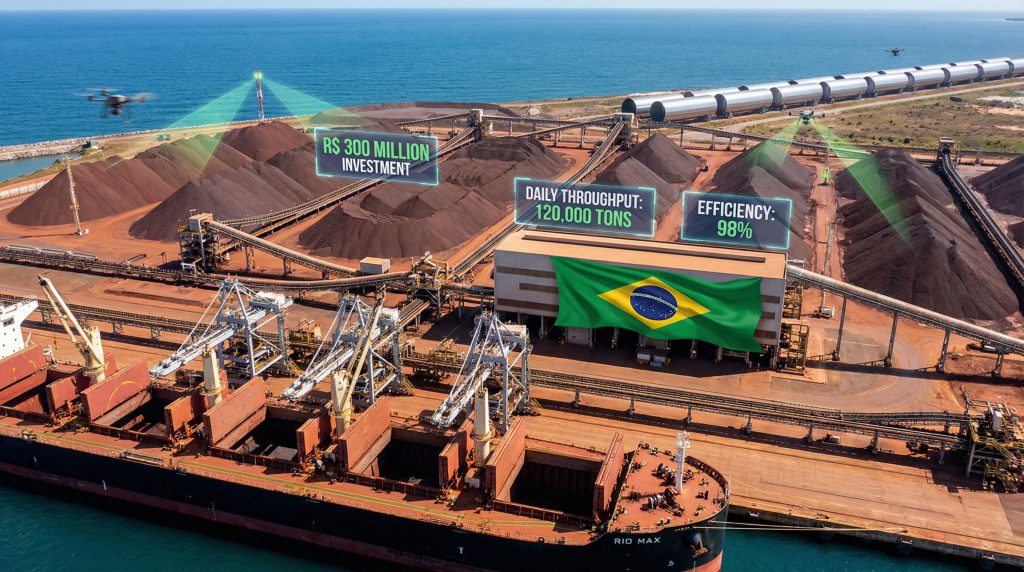
The iron ore price trends continue to influence investment decisions across Brazil's mining sector. Ferroport's R$ 300 million investment over three years represents a comprehensive modernization strategy targeting multiple operational areas simultaneously.
This capital allocation supports equipment automation, digital system implementation, and quality assurance protocols designed to reduce operational uncertainty. For instance, iron ore demand insights suggest that operational excellence becomes increasingly critical in competitive markets.
The terminal's 4th position ranking among Brazilian iron ore ports reflects sustained performance improvements through technology adoption and operational refinement. This positioning becomes particularly significant when considering that vessel turnaround times directly impact shipping costs and delivery reliability for international customers.
Private investment in port infrastructure addresses critical gaps in Brazil's export capacity without requiring government funding allocation. Terminal operators like Ferroport demonstrate how focused capital investment creates operational improvements that benefit the entire supply chain.
Investment Breakdown and Modernization Priorities
The Ferroport investment in Porto do Açu modernization concentrated on three interconnected areas: equipment automation to minimise operational downtime, digital systems for predictive maintenance protocols, and enhanced storage capacity to accommodate variable shipping schedules. This multi-faceted approach recognises that modern port operations require integrated solutions rather than isolated improvements.
Employment generation reached 600+ direct and indirect positions in São João da Barra and surrounding regions, creating economic multiplier effects beyond the terminal itself. These positions include technical roles requiring specialised training, supporting the development of local workforce capabilities aligned with modern logistics operations.
Annual social investment totalling R$ 8 million focuses on education, sports, and cultural programs, demonstrating corporate commitment to community development alongside infrastructure modernization. Over three years, this represents approximately R$ 24 million in cumulative community investment, supporting long-term regional economic development.
The investment strategy prioritises sustainable operational improvements over short-term capacity expansions, recognising that consistent performance and reliability create stronger competitive positioning than maximum theoretical throughput capabilities.
Digital Transformation in Mineral Logistics
Modern port technology fundamentally reshapes iron ore export efficiency through data-driven coordination systems that synchronise multiple operational components. Ferroport's logistics operation integrates yard management, automated machinery coordination, and maritime scheduling through real-time data synchronisation, creating predictable operational flows.
The internally developed Dockflow system supports vessel scheduling and manoeuvre programming, providing sequential optimisation for port movements. This proprietary solution addresses specific operational challenges at Porto do Açu rather than relying on generic port management software.
However, the digital mining transformation extends beyond individual terminals to encompass entire supply chains. Computer vision contamination detection prevents unsuitable materials from entering export shipments, addressing quality concerns before loading rather than managing customer complaints after delivery.
Drone inspection protocols include both aerial and underwater capabilities, supporting comprehensive facility monitoring and maritime infrastructure assessment. These systems provide detailed inspection data while reducing human exposure to hazardous environments, improving both safety outcomes and operational efficiency.
Operational Performance Metrics
| Performance Indicator | Ferroport Achievement | Industry Benchmark |
|---|---|---|
| Vessel Turnaround Time | Below Brazilian average | ANTAQ national standards |
| Port Ranking Position | 4th in Brazil | Iron ore terminals |
| Cumulative Export Volume | 200 million tonnes | Since 2014 operations |
| Equipment Availability | Enhanced through predictive maintenance | Industry standard |
Vessel turnaround performance places Ferroport among terminals with the lowest average vessel stay times in Brazil, according to ANTAQ metrics. This achievement directly impacts shipping costs for customers and improves vessel utilisation efficiency for international carriers.
The 200 million tonnes milestone reached in 2025 represents cumulative exports since operations began in 2014, averaging approximately 16.7 million tonnes annually over twelve years of operation. This consistent throughput demonstrates operational reliability and capacity utilisation effectiveness.
Equipment availability improvements through predictive maintenance systems reduce unscheduled downtime and extend machinery operational life. These systems monitor equipment performance in real-time, identifying potential failures before they disrupt operations.
The 529-Kilometre Pipeline Integration
The 529-kilometre pipeline connecting Conceição de Mato Dentro in Minas Gerais to Porto do Açu represents one of the world's longest iron ore transportation systems, traversing 33 municipalities across two states. This infrastructure creates direct connectivity between Anglo American's mining operations and export facilities, eliminating intermediate handling and storage requirements.
Pipeline transportation offers significant advantages over rail or truck alternatives, including reduced transportation costs per tonne, minimal weather-related delays, and lower environmental impact through reduced vehicle emissions. The system delivers filtered iron ore slurry directly to port facilities, where it undergoes final processing before export.
Furthermore, enhanced iron haulage operations across Australia demonstrate similar efficiency gains through integrated transportation systems. Integration between mine and port operations requires sophisticated coordination to balance production rates with pipeline capacity and terminal processing capabilities.
The pipeline's passage through 33 municipalities creates regional economic opportunities beyond direct terminal employment, including maintenance services, infrastructure support, and ancillary business development. These communities benefit from the economic activity generated by the integrated logistics system.
Engineering and Operational Coordination
The pipeline system transports iron ore slurry from inland mining operations to coastal export facilities, requiring precise coordination between production scheduling and port terminal capacity. Material enters the system after initial processing at the mine site and arrives at Porto do Açu for filtration, storage, and loading onto export vessels.
Operational synchronisation between mining, pipeline, and port operations minimises storage requirements while ensuring consistent material availability for vessel loading. This coordination reduces working capital requirements while maintaining delivery reliability for international customers.
Pipeline maintenance and monitoring systems ensure operational continuity and environmental compliance across the 529-kilometre route. Regular inspections and preventive maintenance protocols protect against service interruptions that could disrupt export schedules.
Economic Impact and Regional Development
Terminal modernisation creates substantial economic impacts extending beyond direct operational improvements. Employment generation includes technical positions requiring specialised skills, supporting workforce development initiatives and creating career advancement opportunities for local residents.
Workplace excellence metrics demonstrate strong employee engagement, with Great Place to Work certification achieving a 92% satisfaction score representing the highest rating in company history. Employee participation in climate surveys reached 93%, indicating strong workforce engagement and communication effectiveness.
Community Investment and Skills Development
The R$ 8 million annual social investment supports education, sports, and cultural programs designed to enhance community development and create long-term regional benefits. These programs complement direct employment opportunities by improving local infrastructure and educational resources.
Workforce qualification initiatives focus on developing technical skills aligned with modern port operations, creating career pathways for local residents while ensuring adequate staffing for terminal operations. This approach builds sustainable employment opportunities tied to technological advancement.
Training programs address specific technical requirements of automated equipment, digital systems, and safety protocols associated with modern port operations. These initiatives support both immediate operational needs and long-term community economic development objectives.
Environmental Excellence and ESG Performance
Environmental recognition through the ANTAQ Award 2025 first place ranking in the Private Terminal category demonstrates measurable progress in environmental performance and operational sustainability. This achievement represents advancement from second place in 2024, indicating consistent improvement in environmental metrics.
ESG rating improvements reached 9.60 through ERM methodology, representing the highest score in company history. This rating reflects integrated sustainability practices across environmental protection, social responsibility, and governance effectiveness.
Environmental management systems address air quality, water usage, noise control, and waste management associated with iron ore handling and export operations. These protocols ensure compliance with Brazilian environmental regulations while supporting international sustainability standards.
Sustainability Integration in Operations
Modern equipment installations reduce energy consumption per tonne handled while improving operational efficiency and reducing environmental impact. Automated systems optimise energy usage patterns and minimise waste generation throughout the export process.
Contamination prevention systems protect marine environments by ensuring only approved materials enter export shipments, reducing potential environmental risks associated with unsuitable material transport. These systems support both operational efficiency and environmental protection objectives.
Environmental monitoring programs track air quality, water usage, and ecosystem impacts associated with port operations, providing data for continuous improvement initiatives and regulatory compliance reporting.
The next major ASX story will hit our subscribers first
Competitive Positioning Analysis
Market positioning as Brazil's 4th-ranked iron ore port reflects sustained operational performance and customer satisfaction levels. This ranking considers throughput volumes, operational efficiency, and service quality metrics compared to other major terminals.
Vessel turnaround performance below Brazilian averages creates competitive advantages for shipping companies through reduced port time and improved schedule reliability. These efficiencies translate into lower transportation costs and enhanced delivery predictability for international customers.
Technology integration distinguishes Ferroport from terminals relying on conventional operational methods. The combination of automated equipment, digital coordination systems, and quality assurance protocols creates operational capabilities that support premium pricing and customer retention.
Operational Excellence Indicators
| Excellence Metric | Current Performance | Improvement Area |
|---|---|---|
| Environmental Rating | 9.60 (ERM methodology) | Highest company score |
| Employee Satisfaction | 92% (GPTW certification) | Record satisfaction level |
| Award Recognition | 1st place ANTAQ 2025 | Environmental performance |
| Export Volume | 200 million tonnes cumulative | Since 2014 operations |
Customer satisfaction metrics reflect operational reliability and service quality delivery that supports long-term commercial relationships. Consistent performance builds customer confidence and supports pricing stability in competitive markets.
Operational predictability through digital systems and automated equipment reduces service variability and improves delivery schedule reliability. These capabilities become increasingly important as international customers demand greater supply chain predictability.
Future Infrastructure Development Trends
Brazilian port infrastructure development increasingly emphasises private investment and technology adoption over traditional capacity expansion approaches. Terminals demonstrate competitive advantages through operational efficiency improvements rather than simply increasing maximum throughput capabilities.
Regulatory frameworks support private terminal modernisation through performance-based incentives and environmental compliance requirements that favour technologically advanced operations. These policies encourage continued investment in automation and digital systems.
Mining industry innovation trends across Brazilian logistics indicate growing emphasis on data analytics, predictive maintenance, and automated quality control systems. These developments support operational excellence while addressing environmental and safety requirements.
Investment Strategy Lessons
Integrated modernisation approaches that address equipment, technology, and workforce development simultaneously demonstrate superior results compared to isolated improvement initiatives. The Ferroport investment in Porto do Açu modernization illustrates this integrated approach effectively.
Community engagement through employment generation and social investment creates stakeholder support for operational expansion and modernisation projects. These relationships support long-term operational stability and regulatory compliance.
Performance measurement systems that track operational efficiency, environmental impact, and employee satisfaction provide data for continuous improvement initiatives and support investment decision-making processes.
Ferroport's comprehensive modernisation demonstrates how strategic infrastructure development creates competitive advantages through operational excellence rather than capacity expansion alone. The integration of automation technology, digital systems, and workforce development illustrates a sustainable approach to port terminal modernisation.
Moreover, Porto do Açu's 2026 maritime growth initiatives continue building on these foundational investments. For instance, Ferroport's iron ore terminal solutions demonstrate the practical applications of these modernisation efforts across Brazil's mining sector.
Disclaimer: This analysis is based on publicly available information and should not be considered investment advice. Performance projections and future developments involve inherent uncertainties and risks that may affect actual outcomes.
Ready to capitalise on Brazil's evolving iron ore infrastructure opportunities?
Discovery Alert's proprietary Discovery IQ model delivers real-time alerts on significant ASX mineral discoveries, instantly empowering subscribers to identify actionable opportunities in mining infrastructure and logistics companies ahead of the broader market. Begin your 14-day free trial today and secure your market-leading advantage as Brazil's mining sector continues its modernisation journey.